midterm elections

Peter Dykstra: Environmental takeaways from Election Day

What happened and, perhaps more importantly, what didn’t happen?

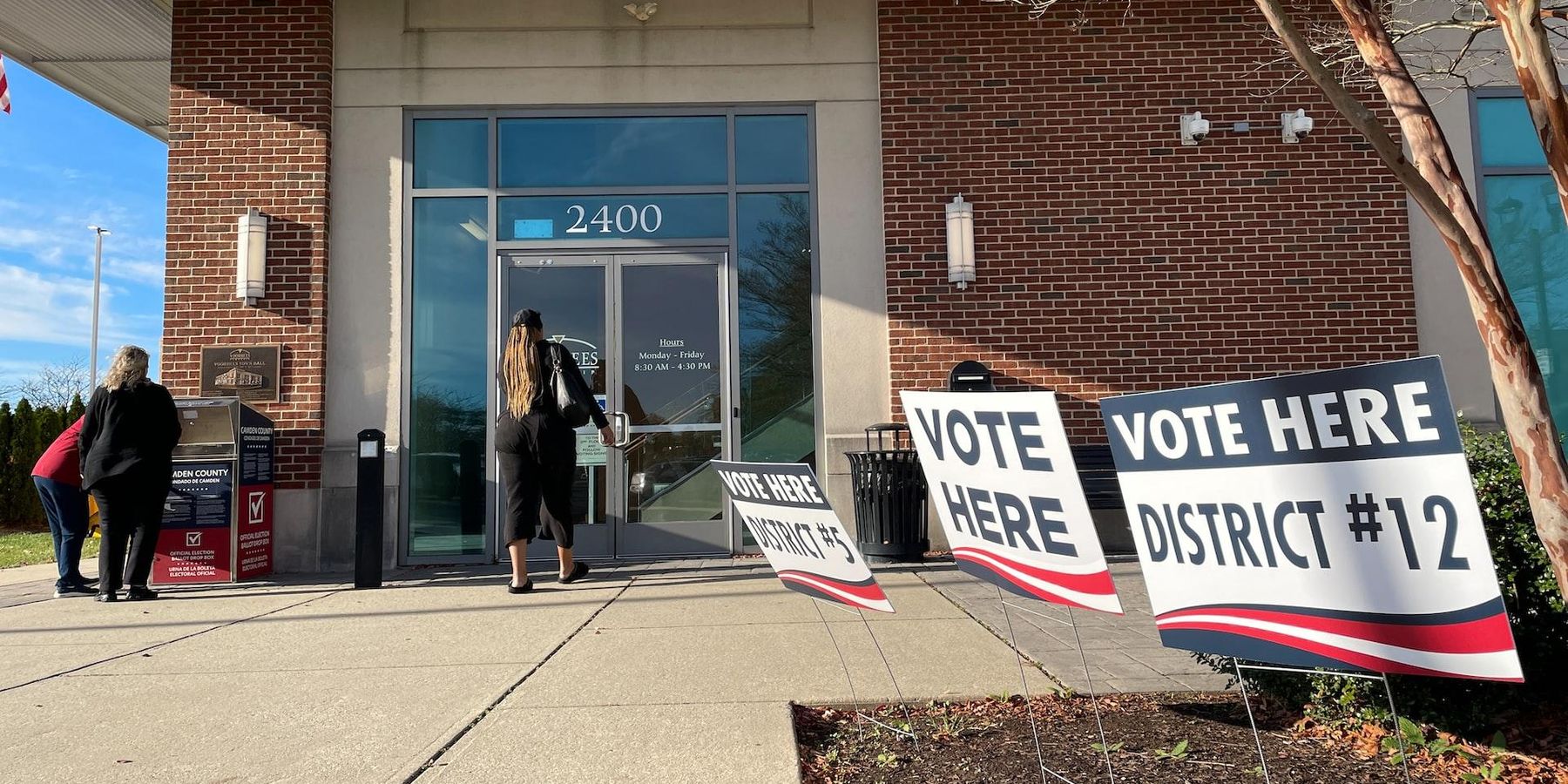
The midterms came and went. And because we have to, you know, count all of the ballots, some things are still unresolved. However, here are some quick environmental takeaways.


There were only two major state initiatives on energy and the environment this year.

First, a $4.2 billion measure in New York state split up this way:

  • $500 million to electrify school buses;
  • $400 million for green building projects;
  • $1.1 billion to restoration and flood risk reduction and rehabilitation and shoreline restoration projects;
  • $650 million toward open space land conservation and recreation;
  • $650 million for water quality improvement and resilient infrastructure.

New York state voters approved this measure on Tuesday.

California voters rejected Proposition 30, which would have funded infrastructure for zero-emissions vehicles and a Wildfire Prevention Initiative by imposing additional income taxes on top-earning Californians.

Green governors 

new york governor hochul

Kathy Hochul (center), governor of New York.

Credit: Metropolitan Transportation Authority/flickr

Re-elected governors who have vowed aggressive action on climate change include:

  • Gavin Newsom (D-Calif.)
  • Kathy Hochul (D-N.Y.)
  • Gretchen Whitmer (D-Mich.)
  • Janet Mills (D-Maine)
  • Michelle Lujan Grisham (D-N.M.)

And then there are the newcomers: Wes Moore (D-Md.) and Maura Healey (D-Mass.)

Climate ignored in key races

The Atlanta Journal Constitution reported that the Warnock-Walker clash (headed for a runoff scheduled for Dec. 6) had cost the two campaigns and their worldwide financial backers a quarter billion in campaigns rooted in negative advertising. But not a word about America’s climate future — not even a hopeful one — entered the media strategy of either man.

Nor did climate draw much water in Florida, where the homes of roughly 10 million residents are in communities projected to be underwater later this century. Republican Ron DeSantis, just re-elected as governor, and re-upped Republican Senator Marco Rubio both had principal residences in doomed Dade County, just down the freeway from equally doomed Mar-A-Lago.

Uber-denier Inhofe retires
senator inhofe climate change

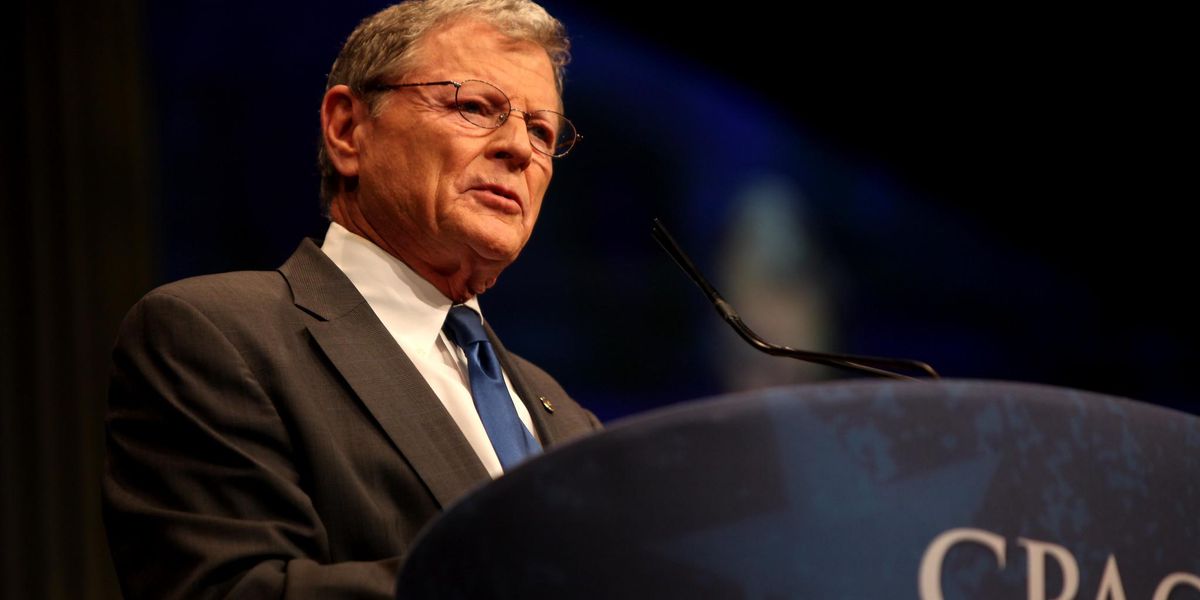
Oklahoma Repulican Senator Jim Inhofe, a long-time climate change denier, retired.

Credit: Gage Skidmore/flickr

Few would dispute retiring Republican Oklahoma Senator Jim Inhofe his unofficial title as Capitol Hill’s Alpha Dog of climate denial. But I’m holding him to his promise of an interview on Nov. 18, 2034, his 100th birthday. We’ll check in with Inhofe to see how his climate “hoax” is working out. Inhofe turns 88 next week and has been a senator for 28 years.

Democrat Pat Leahy also retires in January when the current Senate session ends. He’s been a pro-environment stalwart on acid rain and other issues for 48 years.

Peter Dykstra is our weekend editor and columnist and can be reached at pdykstra@ehn.org or @pdykstra.

His views do not necessarily represent those of Environmental Health News, The Daily Climate, or publisher Environmental Health Sciences.


Donald Trump speaking & pointing finger at CPAC 2011 in Washington, D.C.
Photo Credit: Gage Skidmore https://www.flickr.com/photos/gageskidmore/ Creative commons: https://creativecommons.org/licenses/by-sa/2.0/

Trump goes to war with states over AI

The president’s order to limit states’ ability to regulate the spread of artificial intelligence is poised to set off political and legal fireworks that mirror his efforts to curb climate action.

An illustration of silhouettes of people in greens and blues with one person in red

In 2025, the US gave up on climate — and the world gave up on us

While the U.S. sits in self-imposed isolation, the rest of the world, led by China, raced to build renewables and commit to climate action.
An illustration of a home with with arched windows inundated with flood water

Fighting for a livable future: Exploring frontier climate interventions

As climate impacts accelerate faster than expected, philanthropist Kelly Erhart joins The Great Simplification to discuss cutting-edge climate science, looming tipping points, and experimental interventions that could help stabilize Earth’s systems.

3D image illustrating nuclear fusion
Copyright: Yurchanka/ BigStock Photo ID: 454747091

Clean, limitless energy exists. China is going big in the race to harness it.

Beijing is pouring vast resources into fusion research, while the U.S. wants private industry to lead the way. The winner could reshape civilization.
A yellow and black radiation warning sign

There is no such thing as a fail-safe nuclear power plant

As the Trump administration pushes to revive and expand nuclear power to fuel artificial intelligence and corporate profits, decades of accidents, radioactive waste, and unresolved cleanup costs reveal a technology that carries permanent risks for people and the planet.

Illustration of arm "netting " smokestack emissions
Copyright: Dmitrynew83/ BigStock Photo ID: 419550961

Carbon capture was spruiked as a way of limiting our emissions – but has Australia been greenwashed?

Despite billions in investment, carbon capture and storage technology ‘should be in no way treated as a climate solution’, critics say.

Roadside Sign: "Welcome to Wyoming"

Wyoming ranchers hoping solar can lower costs say utilities and the state stand in their way

Lower electricity bills could help two Cokeville cattlemen compete and pass their businesses on to their kids, they say, but lawmakers won’t let ranch-scale solar projects feed power to the grid.
From our Newsroom
Multiple Houston-area oil and gas facilities that have violated pollution laws are seeking permit renewals

Multiple Houston-area oil and gas facilities that have violated pollution laws are seeking permit renewals

One facility has emitted cancer-causing chemicals into waterways at levels up to 520% higher than legal limits.

Regulators are underestimating health impacts from air pollution: Study

Regulators are underestimating health impacts from air pollution: Study

"The reality is, we are not exposed to one chemical at a time.”

Pennsylvania governor Josh Shapiro speaks with the state flag and American flag behind him.

Two years into his term, has Gov. Shapiro kept his promises to regulate Pennsylvania’s fracking industry?

A new report assesses the administration’s progress and makes new recommendations

silhouette of people holding hands by a lake at sunset

An open letter from EPA staff to the American public

“We cannot stand by and allow this to happen. We need to hold this administration accountable.”

wildfire retardants being sprayed by plane

New evidence links heavy metal pollution with wildfire retardants

“The chemical black box” that blankets wildfire-impacted areas is increasingly under scrutiny.

Stay informed: sign up for The Daily Climate newsletter
Top news on climate impacts, solutions, politics, drivers. Delivered to your inbox week days.