‘Cerberus’ heatwave brings searing temperatures to Europe as Italy could hit 48C

The Independent writers Matt Drake and Stuti Mishra describe a heatwave named after a mythological underworld monster that could set a new record.

In a nutshell:

A heatwave is engulfing southern and eastern Europe, with temperatures in the Mediterranean expected to reach record highs. The heatwave is caused by an area of high pressure named Cerberus, which is forecast to bring temperatures of up to 48C to Sicily and Sardinia. The Red Cross has urged people to check on the most vulnerable during the high temperatures, and to stay hydrated, avoid caffeine and alcohol, and look out for signs of heatstroke.

Key quote:

Professor Richard Betts, climate scientist at the Met Office and University of Exeter told the BBC: “This is all a stark reminder of what we've known for a long time, and we will see ever more extremes until we stop building up more greenhouse gases in the atmosphere."

The big picture:

When fossil fuels are burned, they release greenhouse gases into the atmosphere. These gases trap heat, which warms the planet. As the planet warms, the atmosphere can hold more water vapor, which also traps heat. This creates a feedback loop that causes the planet to warm even more. While heat waves are a natural phenomenon, they are becoming more frequent and intense due to climate change. When the body is exposed to high temperatures, it works harder to cool itself down. This can lead to heat exhaustion, heat cramps and heat stroke. Heat exhaustion is a mild condition, but heat cramps and heat stroke can be life-threatening.

For more, check out The Independent article.

How can we stay healthy in the face of increasing heat? EHN spoke with heat equity experts about how young people can work toward protecting the most vulnerable from extreme heat and advancing climate justice.


Snowy owl in winter plumage flying over a non-winter landscape
Credit: Manoj Balotia/Unsplash

Species slowdown: Is nature’s ability to self-repair stalling?

When scientists recently analyzed hundreds of studies of ecosystems, they were surprised to see a marked slowing in the rate of species turnover. If new species don’t replace old ones, they say, ecosystems may have less flexibility to respond to habitat loss and climate change.
Power plant discharging smoke and dirty orange air obscuring the sun
Credit: Mikhail Dudarev/BigStock Photo ID: 14021453

Opinion: Chokehold: The Trump administration’s stealth plan to unleash poisonous air

The EPA stopped valuing the lives it could save​​, setting up a deregulatory disaster that will be hazardous to your health.
Bleached out cow skull with horns intact against a dry earth background

Nature report, killed by Trump, is released independently

A draft assessment of the health of nature in the United States is grim but shot through with bright spots and possibility.
Healthy coral reef and associated fish

How protecting nature could make the world safer

Debt-for-nature swaps and conservation funds to halt biodiversity loss are gaining traction as governments link ecosystem collapse to geopolitical instability.
A gavel sitting on a judge's desk

The Supreme Court case that could end local climate suits

Nearly a dozen states are suing the oil and gas industry over climate. The fossil fuel industry is pushing back.
An aerial view of San Francisco

Trump may have inadvertently invited a wave of climate action from blue states

The administration’s decision to rescind the Obama-era endangerment finding undercuts its own legal arguments against state-level climate superfund laws.
Computer generated 3D illustration with oil pumps, solar panels and wind turbines.
Credit: MIRO3D/BigStock Photo ID: 147195269

Texas seizes the solar crown from California, and other key points from the latest electricity data

Utility-scale solar soared in 2025 across the country; coal also grew, while natural gas was down.
From our Newsroom
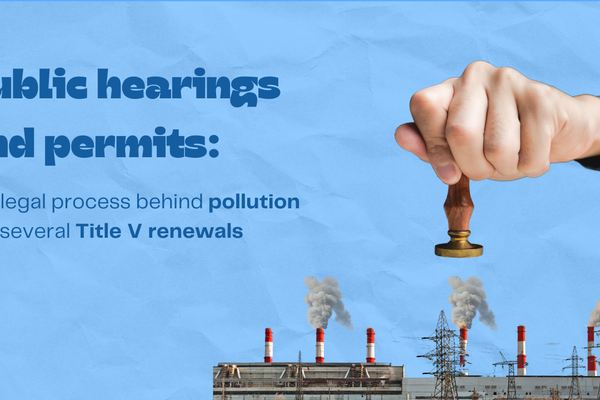
Multiple Houston-area oil and gas facilities that have violated pollution laws are seeking permit renewals

Multiple Houston-area oil and gas facilities that have violated pollution laws are seeking permit renewals

One facility has emitted cancer-causing chemicals into waterways at levels up to 520% higher than legal limits.

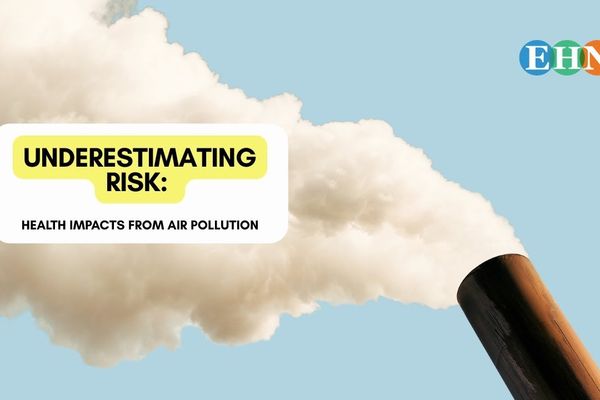
Regulators are underestimating health impacts from air pollution: Study

Regulators are underestimating health impacts from air pollution: Study

"The reality is, we are not exposed to one chemical at a time.”

Pennsylvania governor Josh Shapiro speaks with the state flag and American flag behind him.

Two years into his term, has Gov. Shapiro kept his promises to regulate Pennsylvania’s fracking industry?

A new report assesses the administration’s progress and makes new recommendations

silhouette of people holding hands by a lake at sunset

An open letter from EPA staff to the American public

“We cannot stand by and allow this to happen. We need to hold this administration accountable.”

wildfire retardants being sprayed by plane

New evidence links heavy metal pollution with wildfire retardants

“The chemical black box” that blankets wildfire-impacted areas is increasingly under scrutiny.

Stay informed: sign up for The Daily Climate newsletter
Top news on climate impacts, solutions, politics, drivers. Delivered to your inbox week days.