Electric cars are sending tire particles into the soil, air, and water

Electric cars fix one pollution problem—and worsen another. David Zipper writes for The Atlantic.

In a nutshell:

Just when we seem to be on the cusp of mass EV adoption and preparing to glide forth into a guilt-free, sustainable transportation future, current research compels us to take a serious look at where the rubber meets the road. A vehicle expels toxics from more places than the tailpipe. In fact, in today's vehicles, tire pollution is typically much worse than engine emissions and the increased vehicle weight of EVs threatens to accelerate tire wear.

Key quote:

“The tire people look at the tires, the car people look at the cars, and the road people look at the roads, but it needs to come together.”

Big picture:

Once again, the quest for a more sustainable future runs smack into the unsustainable tendencies of consumption-based, profit-driven, free-market capitalism. Manufacturers of next-generation electric vehicles have been tooling up and preparing for an electric future alright. But the money and the demand is in trucks and SUVs so, at least in the near-term, manufacturers are focused on a "zero to 60" market that has no intention of down-sizing their ride or backing off on the highway. EVs, heavier by nature due to the battery are expected to chew through tires at a much higher rate, expelling microplastics that wind their way through airways, waterways and the food chain.


Read the full story in The Atlantic.

A view of an iceberg both above and below the water line
Credit: Victor/Unsplash+

The ocean circulation that persists even after a key AMOC component fails

A new study suggests cross-hemispheric overturning circulation could continue for centuries, even as North Atlantic Deep Water formation shuts down.
A view of a green terraced hillside

Photos: Taiwan’s tea revival blends ancient terraces with new climate adaptations

Climate change is making the revival harder, with earlier-dissipating mist, erratic rainfall, and increasingly intense typhoons threatening tea plants and increasing landslide risks.

An illustration of an AI chat bot with purple wires next to it

How AI chatbots may be talking people out of climate action

Across 28,800 prompts, models were 7.5 times more likely to advise “stay the course” than “change,” even when the status quo is anti-climate.
A man in an orange vest looking up at an oil pump jack

Climate activists protest African Energy Week in South Africa

Activists challenged efforts to position Africa as a new frontier for fossil fuel development, arguing that further investment would worsen climate change.

An illustration of a pipeline heading towards an energy plant

Opinion: Wisconsin doesn’t have to accept new gas plants as inevitable

WE Energies says Wisconsin needs a new methane gas plant to meet growing electricity demand. Citizens deserve more information.
Henry Waxman explaining his global warming bill H.R. 2454 at UCLA Los Angeles
Credit: joeygil/BigStock Photo ID: 5820123

IPCC is under pressure to delay publication of key global climate report

AR7 report was scheduled for 2028 in time for Cop33 summit but some petro-states and major developing countries want to postpone it.

From our Newsroom
Multiple Houston-area oil and gas facilities that have violated pollution laws are seeking permit renewals

Multiple Houston-area oil and gas facilities that have violated pollution laws are seeking permit renewals

One facility has emitted cancer-causing chemicals into waterways at levels up to 520% higher than legal limits.

Regulators are underestimating health impacts from air pollution: Study

Regulators are underestimating health impacts from air pollution: Study

"The reality is, we are not exposed to one chemical at a time.”

Pennsylvania governor Josh Shapiro speaks with the state flag and American flag behind him.

Two years into his term, has Gov. Shapiro kept his promises to regulate Pennsylvania’s fracking industry?

A new report assesses the administration’s progress and makes new recommendations

silhouette of people holding hands by a lake at sunset

An open letter from EPA staff to the American public

“We cannot stand by and allow this to happen. We need to hold this administration accountable.”

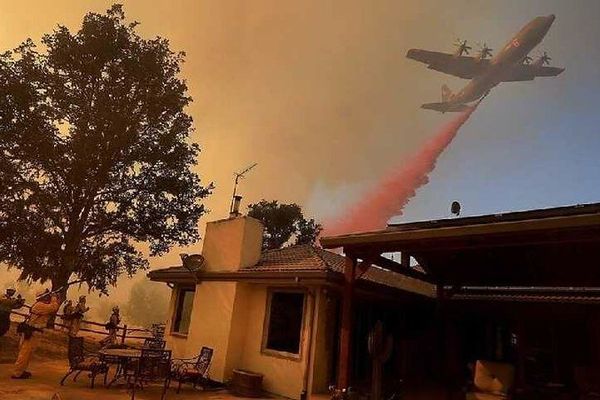
wildfire retardants being sprayed by plane

New evidence links heavy metal pollution with wildfire retardants

“The chemical black box” that blankets wildfire-impacted areas is increasingly under scrutiny.

Stay informed: sign up for The Daily Climate newsletter
Top news on climate impacts, solutions, politics, drivers. Delivered to your inbox week days.