Paul Ehrlich: 'Collapse of civilisation is a near certainty within decades.'

In May, it will be 50 years since the eminent biologist published his most famous and controversial book, The Population Bomb. But Ehrlich remains as outspoken as ever.

Fifty years after the publication of his controversial book The Population Bomb, biologist Paul Ehrlich warns overpopulation and overconsumption are driving us over the edge.


Ehrlich has been quite prolific in those 50 years, continually drawing connections among the different planetary forces shaping our health and environment – forces like biodiversity, the nitrogen cycle, climate change and yes, overpopulation. The concern that he shares with other scientists working in this field: These are force multipliers, coming harder and faster at civilization than any one issue by itself.

Veteran journalist Damian Carrington's interview with Ehrlich is excellent. Worth reading, too, is the website Ehrlich and other scientists have put together to explore these interconnections: The Millennium Alliance for Humanity and the Biosphere.

And if you want to keep abreast of this issue, every Saturday we publish a roundup of the best reporting we've seen that week probing the interplay of these different environmental issues. Get our "Science Saturday" newsletter free in your inbox by signing up here.

Read the full interview at The Guardian.

Woman wearing an orange sweatshirt holding a sign saying "There is no planet B"

US EPA head announces oil and gas emission rules rollbacks during visit to Santa Fe, New Mexico

Lee Zeldin announced plans for further cancellations of oil and gas regulations aimed at reducing emissions of climate-warming gasses.

An LNG tanker ship and tugs are maneuvering for docking at a gas terminal
Credit: photowrzesien/BigStock Photo ID: 412271062

Inside the web of pro-oil and gas groups shaping Canada’s climate change narrative

New research by Greenpeace Canada lays out connections between pro-fossil fuel groups working together to influence public opinion.

A herd of cattle walking across a field during sunrise

The American livestock industry’s main lobbying group treated climate change as a PR problem

More examples of the National Cattlemen’s Association’s efforts to downplay and deny the industry’s greenhouse gas emissions.

LNG tanker ship with oil and gas refinery plant in background
Credit: khunaspix/BigStock Photo ID: 89526005

A Canadian LNG project is expected to push emissions past standards

A FortisBC’s plan to further expand its decades-old LNG facility will significantly worsen pollution in neighboring communities.

Woman putting her ballot in a voting box

Climate change is on the ballot —even if Dems aren’t saying those words

The Democrats have been accused, fairly, of “climate hushing.” But they’re finding subtle ways to connect environmental issues with voters’ pocketbook concerns.
A field of flowers under a cloudy sky

Meet the flower whose evolution is outpacing climate change

Some populations of scarlet monkeyflowers can evolve fast enough to save themselves from climate change-induced drought. This is the first time researchers have documented evolutionary “self-rescue” in the wild.
Worker installing solar panels on a shingled residential rooftop
Credit: elenathewise/BigStock Photo ID: 9354038

To block solar energy projects, one community lumped them in with junkyards and adult bookstores

A local fight in Indiana shows that even streamlined permitting can’t overcome deep community resistance to solar development.
From our Newsroom
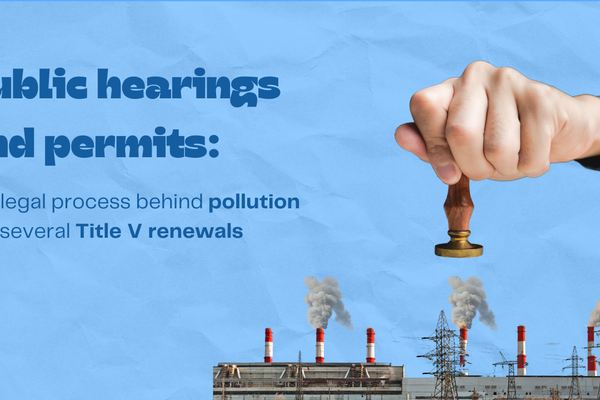
Multiple Houston-area oil and gas facilities that have violated pollution laws are seeking permit renewals

Multiple Houston-area oil and gas facilities that have violated pollution laws are seeking permit renewals

One facility has emitted cancer-causing chemicals into waterways at levels up to 520% higher than legal limits.

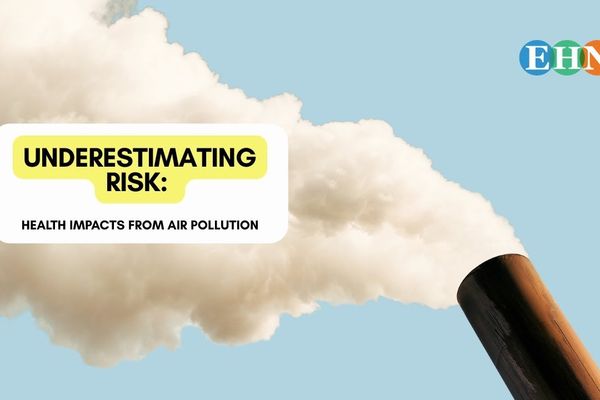
Regulators are underestimating health impacts from air pollution: Study

Regulators are underestimating health impacts from air pollution: Study

"The reality is, we are not exposed to one chemical at a time.”

Pennsylvania governor Josh Shapiro speaks with the state flag and American flag behind him.

Two years into his term, has Gov. Shapiro kept his promises to regulate Pennsylvania’s fracking industry?

A new report assesses the administration’s progress and makes new recommendations

silhouette of people holding hands by a lake at sunset

An open letter from EPA staff to the American public

“We cannot stand by and allow this to happen. We need to hold this administration accountable.”

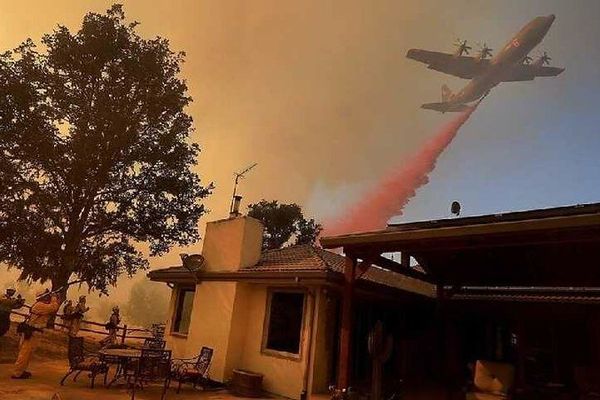
wildfire retardants being sprayed by plane

New evidence links heavy metal pollution with wildfire retardants

“The chemical black box” that blankets wildfire-impacted areas is increasingly under scrutiny.

Stay informed: sign up for The Daily Climate newsletter
Top news on climate impacts, solutions, politics, drivers. Delivered to your inbox week days.