Trump’s FEMA cuts leave flood-prone cities scrambling for aid

President Trump’s decision to cancel a major disaster mitigation grant program has left dozens of U.S. cities, from Pennsylvania to Oklahoma, without funding to protect against worsening climate-related disasters.

Thomas Frank reports for E&E News.


In short:

  • The Trump administration canceled $4.5 billion in the Federal Emergency Management Agency's BRIC program, which funded local projects aimed at protecting communities from floods and other climate-driven disasters.
  • Cities like Scranton, Stillwater, and Crisfield had already planned and approved projects using these funds, which are now stalled or abandoned due to lack of alternative financing.
  • While Congress introduced legislation to revive BRIC and make it mandatory, the effort has gained little traction, and the administration has not proposed a clear replacement program.

Key quote:

“It was just a terrible moment where you see a program that is absolutely not political and absolutely not wasteful getting cut.”

— Paige Cognetti, mayor of Scranton

Why this matters:

Flooding is now the most common and costly natural disaster in the United States, and climate change is making it worse. Intense rainfall events are rising, especially in hilly and low-lying areas, where creeks and rivers can quickly overflow. FEMA’s BRIC program offered one of the few proactive tools to move people out of harm’s way — buying and demolishing homes in flood zones, improving drainage, and reinforcing infrastructure before disaster struck. Without such prevention efforts, communities will be forced to rely on costly emergency relief after damage occurs, deepening the cycle of loss and recovery. Vulnerable populations, especially in rural and low-income areas, are most at risk as funding gaps widen.

Read more: Trump's FEMA freeze delays disaster relief funding for storm-hit communities
Panel of climate scientists onstage at COP25 Q & A
Photo credit: World Meteorological Organization, https://www.flickr.com/photos/worldmeteorologicalorganization/

What top climate scientists think of Trump’s treaty withdrawals

Though the abandonment of international agreements is “a damn shame,” they say science will prevail.
Coastal village in Greenland with multicolored homes and ice floes in the background

As Trump eyes Greenland, what could that mean for island’s mineral wealth and environment?

The Danish territory holds significant stores of oil, gas and minerals. But regulations and the extreme environment have kept the vast majority in the ground.
participants at the entrance to COP 30 pavilion
Credit: https://www.flickr.com/photos/isostandards/ Creative Commons: https://creativecommons.org/licenses/by-nc-sa/4.0/

The impact of US withdrawal from global climate pacts

The US has pledged to pull out of dozens of international organizations and treaties established to advance the protection of the planet. But it doesn't spell the end of environmental action.
flags on green grass field near brown concrete building during daytime

US exit of key UN climate treaty criticized as self-sabotage

The United States' decision to withdraw from the United Nations' key climate treaty is a "colossal own goal" that will harm the U.S. economy, jobs and living standards, United Nations climate chief Simon Stiell says.

A refinery with lots of smokestacks and industrial equipment

US oil companies will be slow to answer Trump’s call to tap into Venezuela, experts say

President Donald Trump is unlikely to see many U.S. oil companies jump in response to his call to tap into Venezuela, industry experts say.
Boat on the ocean highlighted against an orange, burning sun
Photo Credit: Photo by Samuel Arkwright on Unsplash

‘Profound impacts’: Record ocean heat is intensifying climate disasters, data shows

Oceans absorb 90% of global heating, making them a stark indicator of the relentless march of the climate crisis.

a large fire burning in a field next to a forest

Opinion: Climate misinformation threatens Canada’s national security

With Canada's wildfire season only months away, the time to combat climate misinformation is now, before the next crisis exposes the weaknesses in our systems.

From our Newsroom
Multiple Houston-area oil and gas facilities that have violated pollution laws are seeking permit renewals

Multiple Houston-area oil and gas facilities that have violated pollution laws are seeking permit renewals

One facility has emitted cancer-causing chemicals into waterways at levels up to 520% higher than legal limits.

Regulators are underestimating health impacts from air pollution: Study

Regulators are underestimating health impacts from air pollution: Study

"The reality is, we are not exposed to one chemical at a time.”

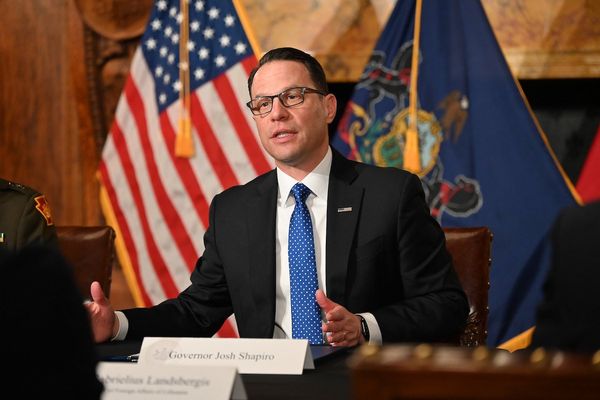
Pennsylvania governor Josh Shapiro speaks with the state flag and American flag behind him.

Two years into his term, has Gov. Shapiro kept his promises to regulate Pennsylvania’s fracking industry?

A new report assesses the administration’s progress and makes new recommendations

silhouette of people holding hands by a lake at sunset

An open letter from EPA staff to the American public

“We cannot stand by and allow this to happen. We need to hold this administration accountable.”

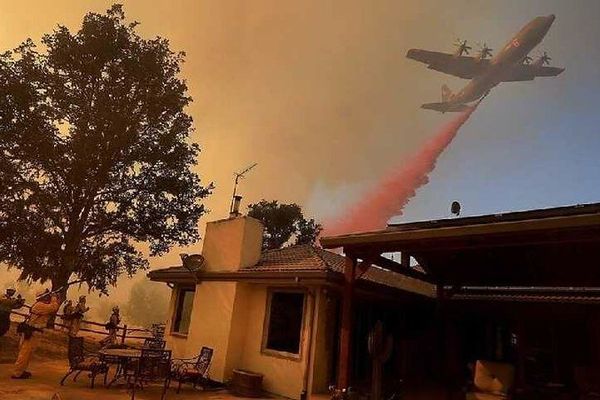
wildfire retardants being sprayed by plane

New evidence links heavy metal pollution with wildfire retardants

“The chemical black box” that blankets wildfire-impacted areas is increasingly under scrutiny.

Stay informed: sign up for The Daily Climate newsletter
Top news on climate impacts, solutions, politics, drivers. Delivered to your inbox week days.