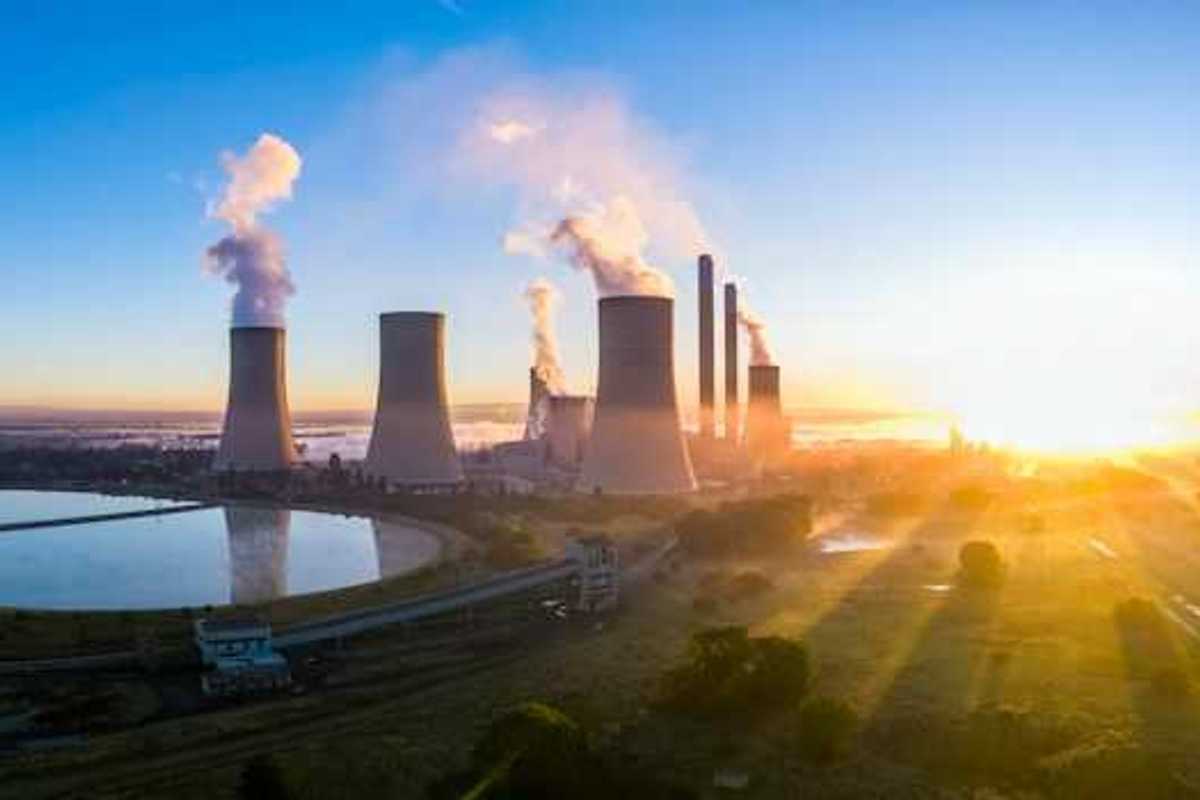
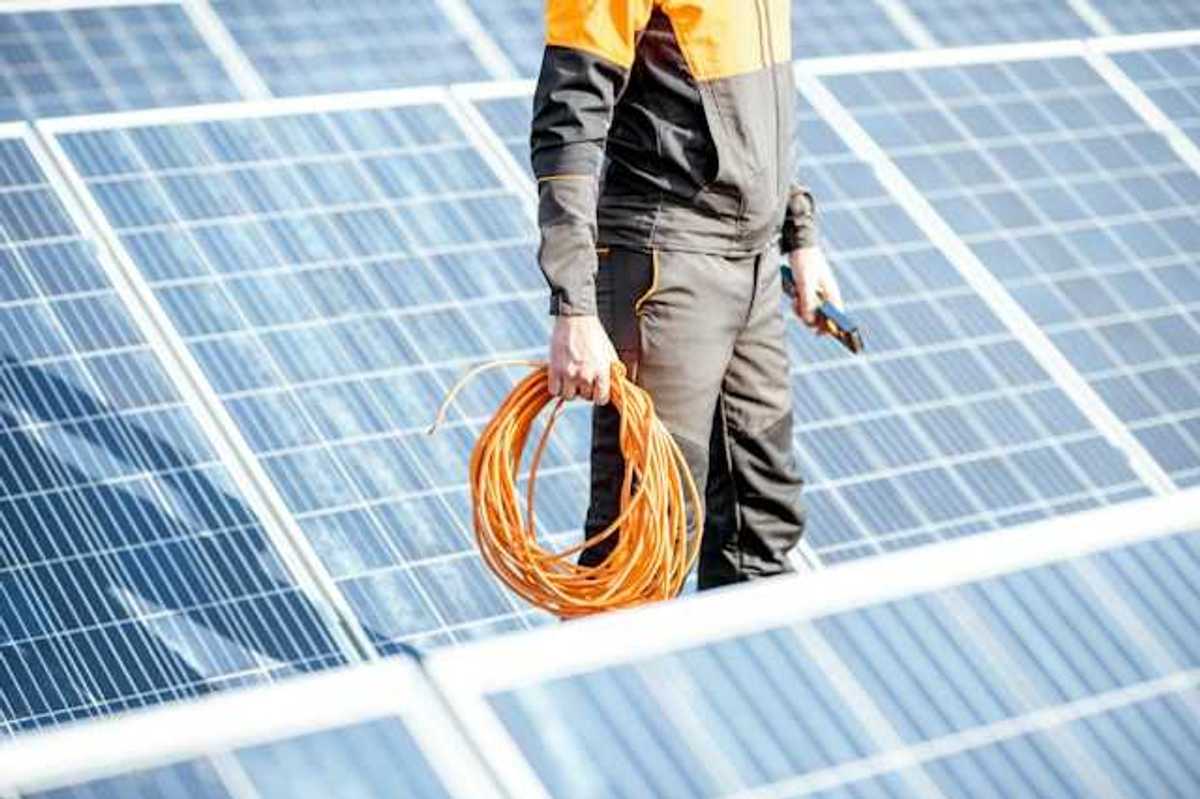
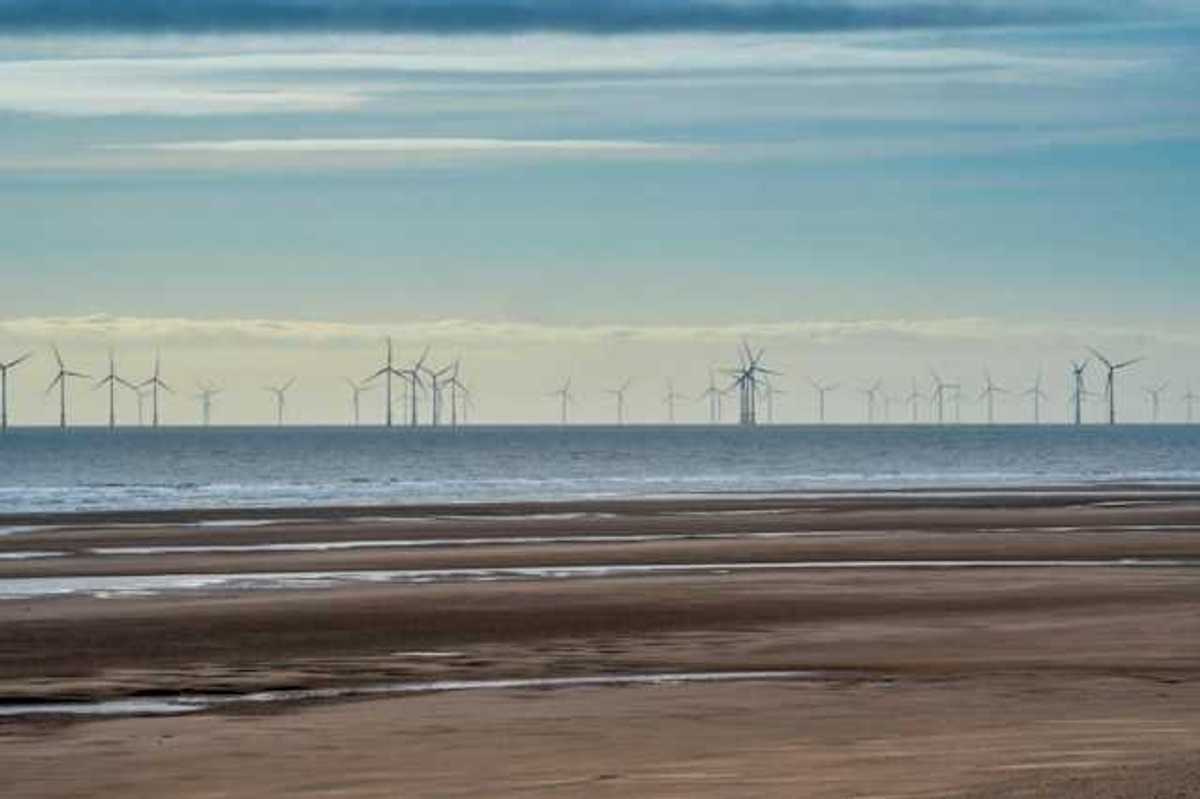
Spain has rapidly expanded wind and solar power to supply more than half of its electricity, but a recent nationwide blackout and growing political opposition are raising questions about whether its renewable-first energy model can ensure long-term stability.
Politics
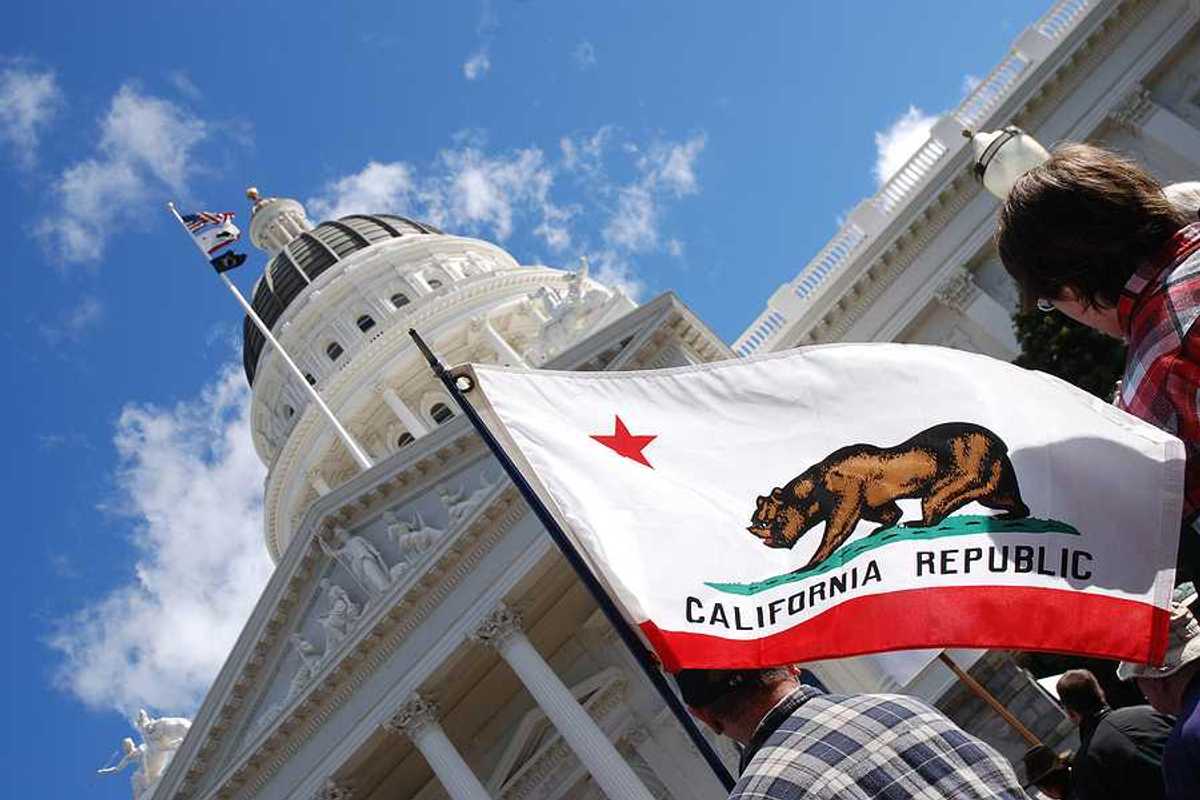
The president’s order to limit states’ ability to regulate the spread of artificial intelligence is poised to set off political and legal fireworks that mirror his efforts to curb climate action.
While the U.S. sits in self-imposed isolation, the rest of the world, led by China, raced to build renewables and commit to climate action.
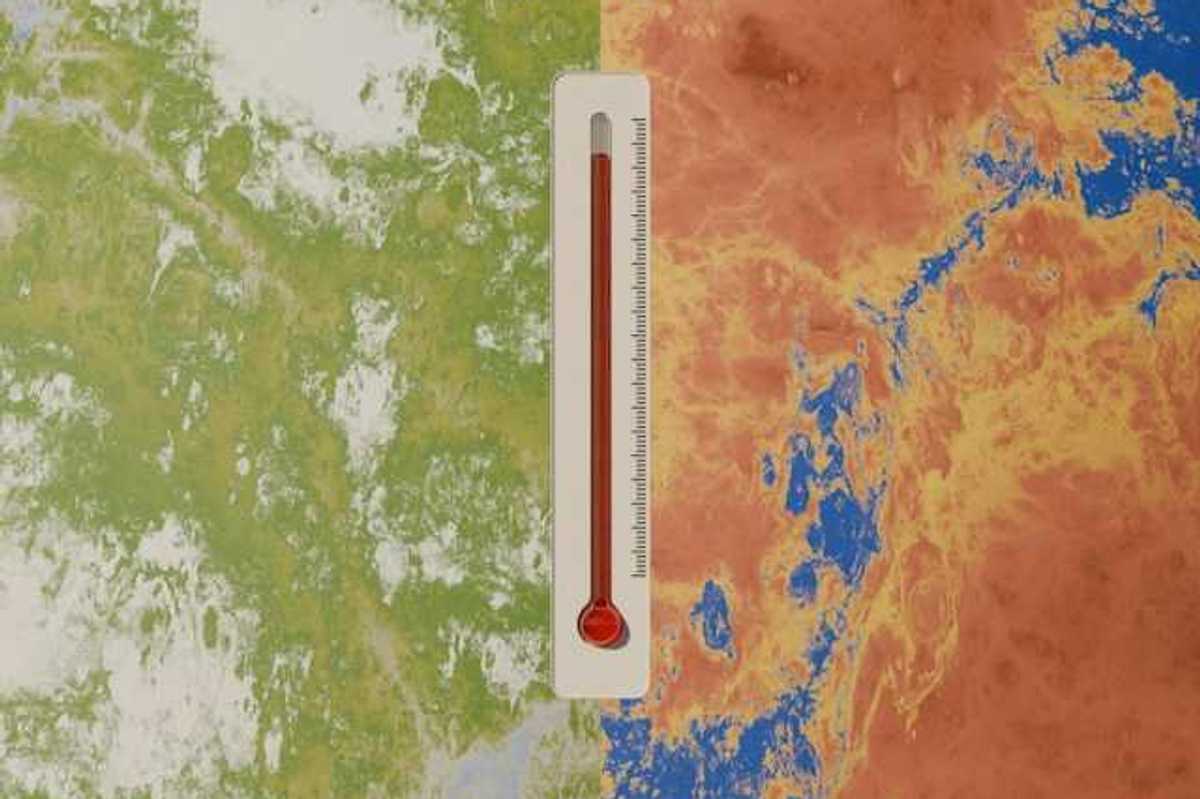
As climate impacts accelerate faster than expected, philanthropist Kelly Erhart joins The Great Simplification to discuss cutting-edge climate science, looming tipping points, and experimental interventions that could help stabilize Earth’s systems.
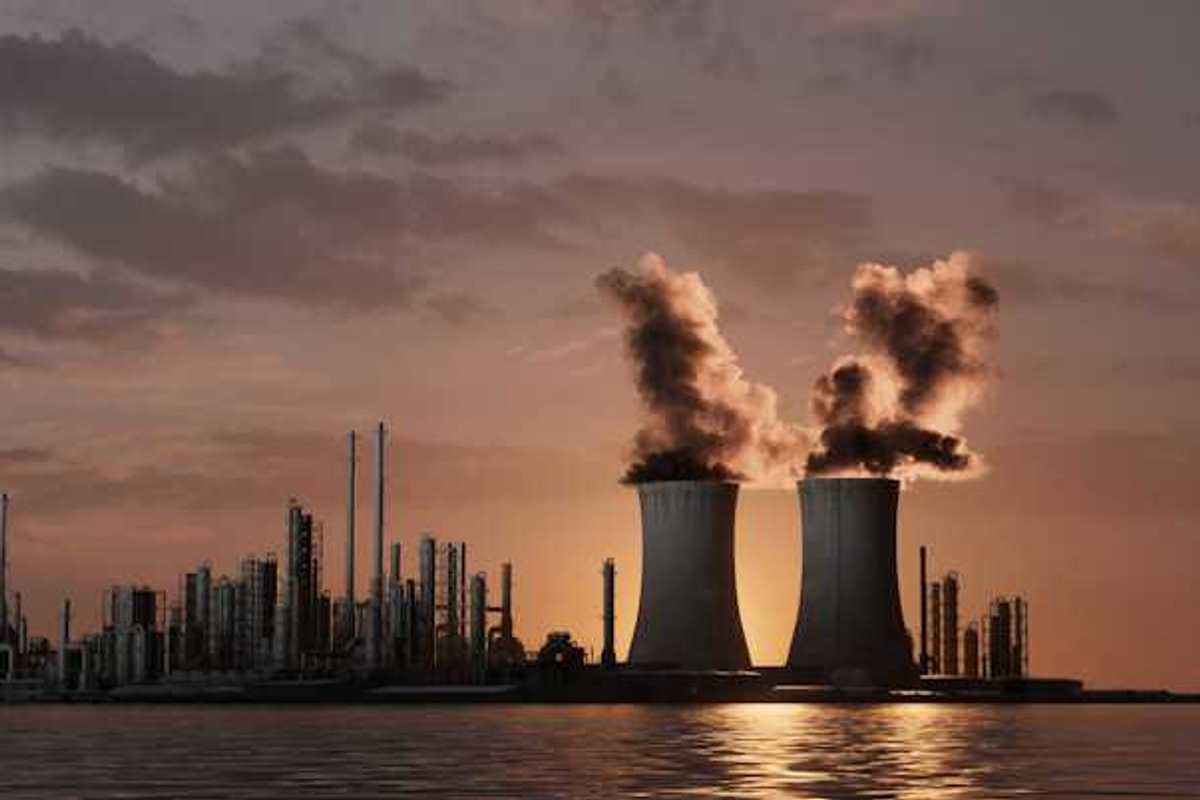
As the Trump administration pushes to revive and expand nuclear power to fuel artificial intelligence and corporate profits, decades of accidents, radioactive waste, and unresolved cleanup costs reveal a technology that carries permanent risks for people and the planet.
Despite billions in investment, carbon capture and storage technology ‘should be in no way treated as a climate solution’, critics say.
Lower electricity bills could help two Cokeville cattlemen compete and pass their businesses on to their kids, they say, but lawmakers won’t let ranch-scale solar projects feed power to the grid.
Solar power accounts for two-thirds of the new projects waiting to connect to Utah’s power grid, but state Republicans’ hard turn against solar mirrors President Donald Trump’s hostile approach to the industry.
The state’s Department of Environmental Quality would expand permissible uses during emergencies to include “planned outages” by grid operators, presumably for power line upgrades. Environmentalists say that with expanded use of diesel generators comes more harmful air pollutants and more greenhouse gases.
U.S. freight railroads are a major source of pollution, chuffing out more nitrogen oxide than all the nation’s coal-fired power plants combined.
First-of-its-kind analysis of hundreds of climate-related advertisements from BP, Chevron, ExxonMobil and Shell suggests that oil companies are continuing to mislead the public on climate.
The U.S.-based Heartland Institute, a leading force in climate science denial, has spent the past year cultivating ties with right-wing parties across the UK and Europe in an effort to weaken climate regulations and promote fossil fuel interests.
A Thursday ruling said the Trump administration cannot eliminate the Building Resilient Infrastructure and Communities program without Congress.
New evidence suggests the Alberta Energy Regulator ignored a ministerial order — and critics say that’s just the tip of the iceberg.
The nation’s main office for protecting Americans from harmful chemicals is welcoming its fourth prominent industry insider since President Trump took office, adding to an administration full of former lobbyists and corporate executives who are making environmental policy.
American officials joined Russia, Saudi Arabia and Iran in objecting to language on fossils fuels, biodiversity and plastics in a report that was three years in the making.
In Northwest Alaska, Inupiaq villagers already struggling with vanishing caribou, declining salmon and record floods are split over a 211-mile mining road that promises jobs and minerals for the energy transition, but could further damage a fragile, rapidly warming landscape.
A review of Mexico’s 2026 fiscal budget shows that large portions of funding labeled as climate or renewable energy spending are actually being funneled into oil, gas, and unrelated infrastructure projects.
Journalism that drives the discussion
Copyright © 2017 Environmental Health Sciences. All rights reserved.