Newsletter
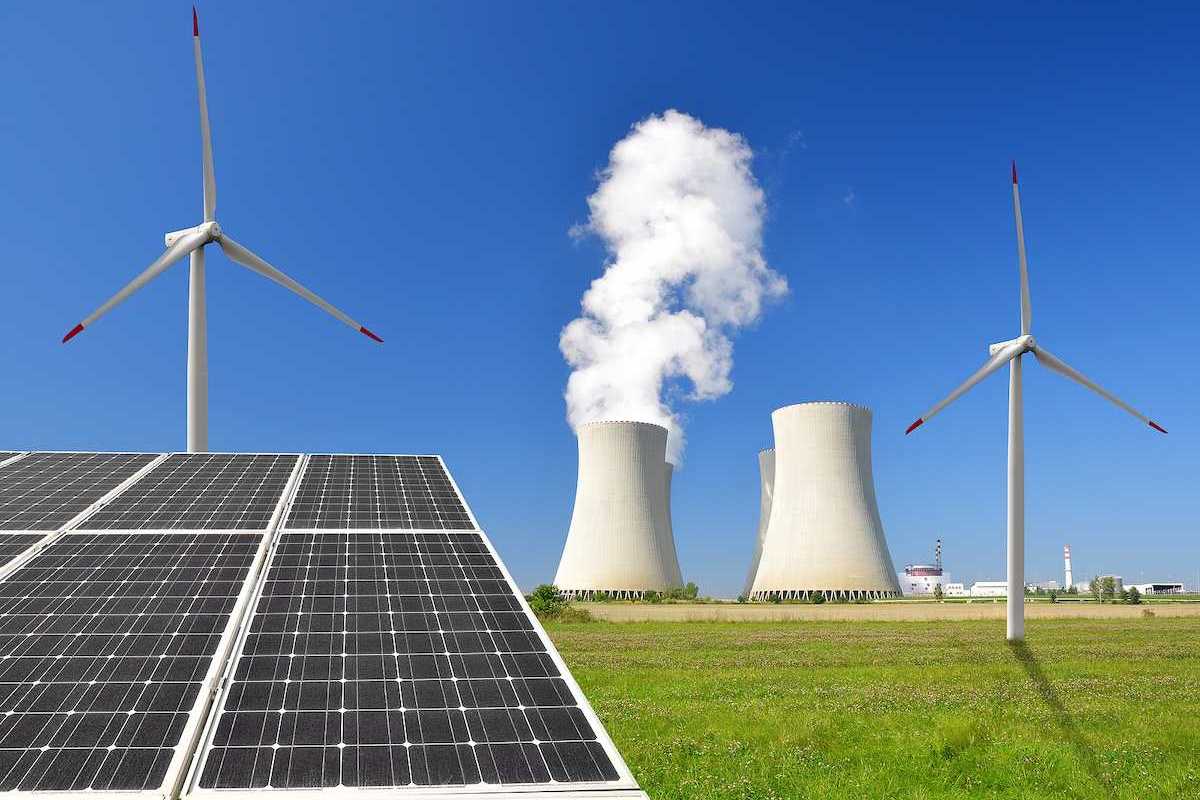
Even as administration officials vowed this week to head off scheduled retirements, some aging plants are now breaking, and costs could run to the billions.
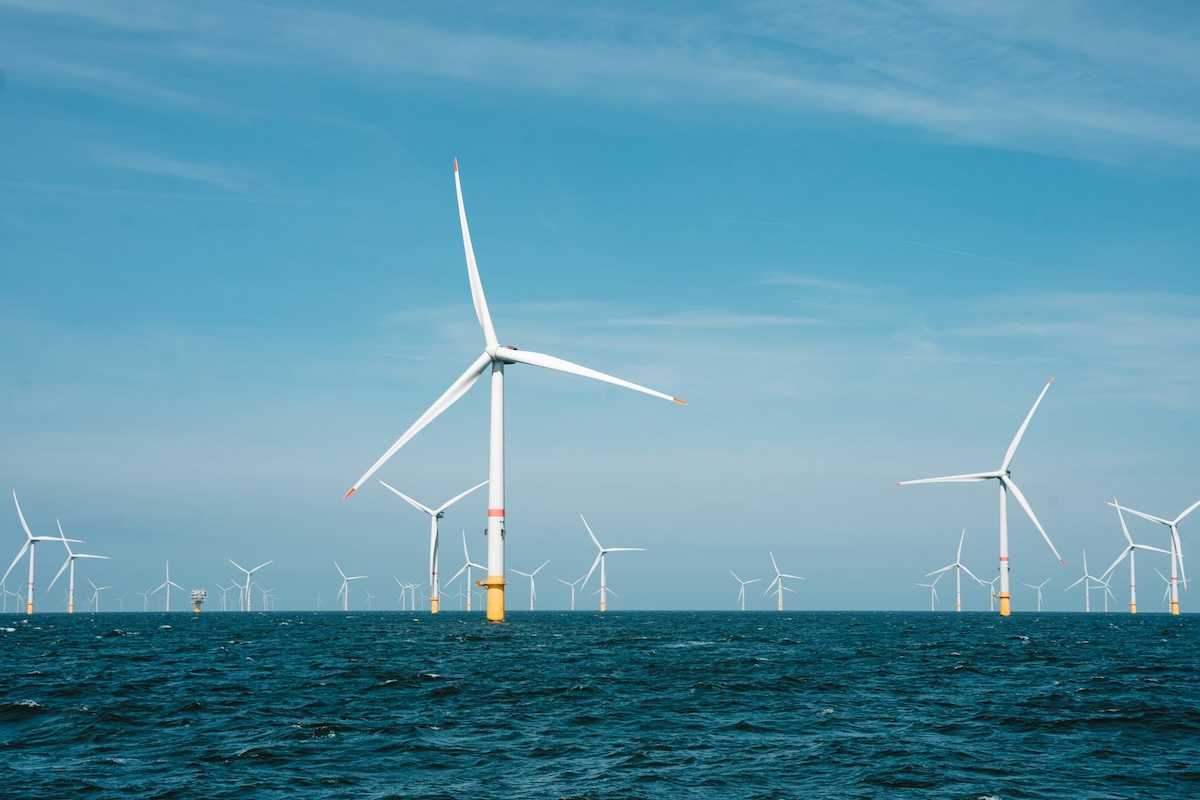
A federal judge has cleared the way for a New York offshore wind project to resume construction. It’s a victory for the developer who said a Trump administration order to pause it would likely kill the project in a matter of days.
We are in the solar-powered century, although some are taking their time to figure this out.

The Energy Department says it’s legally sound to shift more than half a billion dollars to help revive old and closed coal plants.

The Trump administration’s imperialist, repressive rampage is a classic response to escalating crisis.
A new report shows some limited progress on reducing carbon pollution in 2023 — the latest year for which data is available. But experts worry the trend may reverse after recent clawbacks of several climate measures.
Delaware could see five new data centers with a combined energy demand reaching almost that of the entire state, according to Delmarva Power. 
A slice of the Mont Blanc glacier has become one of the first Alpine ice samples to be stashed away in a natural Antarctic freezer for future scientists to study.
Can the reuse of crypto mining’s waste heat redeem its carbon footprint?
Iran’s protests are often framed as economic, political or ideological. Yet a deeper ecological crisis is eroding the fabric of society.
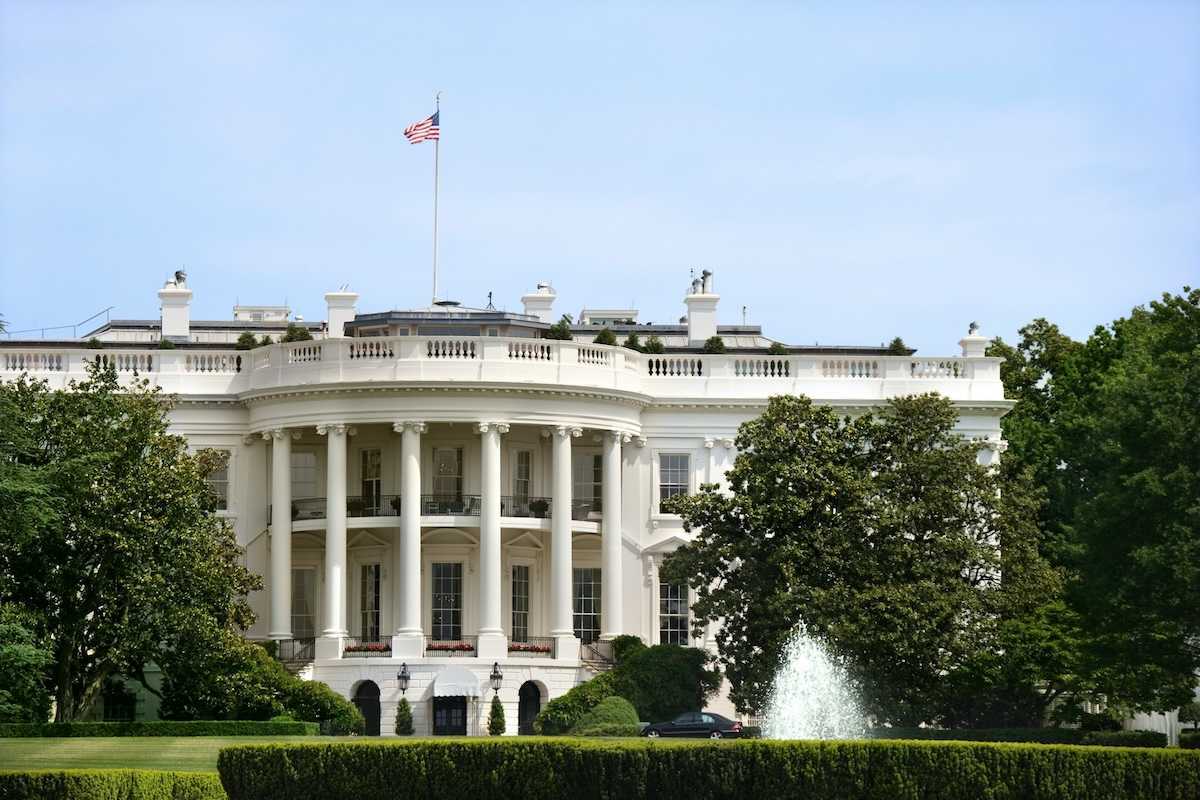
Meet the behind-the-scenes officials driving the president's "energy dominance" agenda.
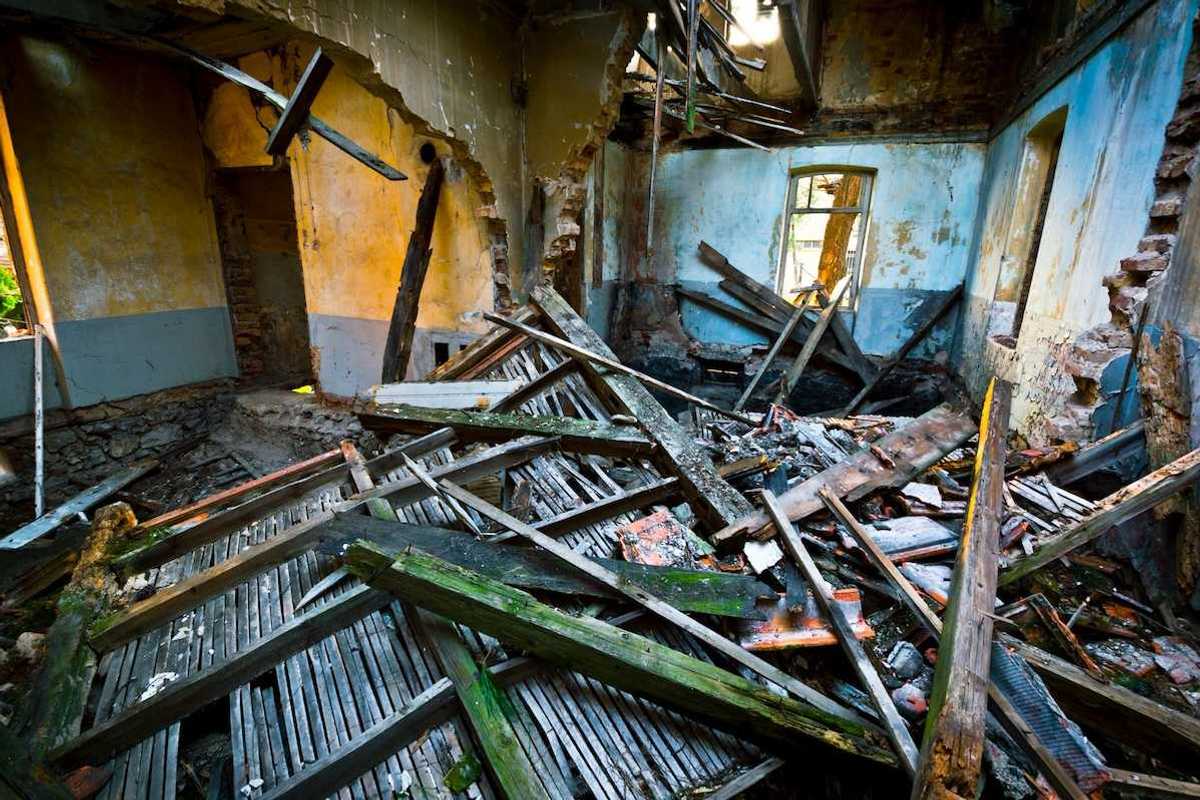
The same industry that will benefit from Trump’s plan already turned the Louisiana coast into a dumping ground, leaving infrastructure behind to decay.  
The fate of the world’s largest island has outsize importance for billions of people on the planet, because as the climate warms, Greenland is losing ice. That has consequences.
Decades of water depletion, dam building and repression of scientists and environmentalists have driven Iran toward ecological crises that are fueling protests rocking the country.
Models can predict catastrophic or modest damages from climate change, but not which of these futures is coming.

The 2026 funding bill rejects the Trump administration’s request to cut about $1.5 billion from the National Oceanic and Atmospheric Administration's budget.

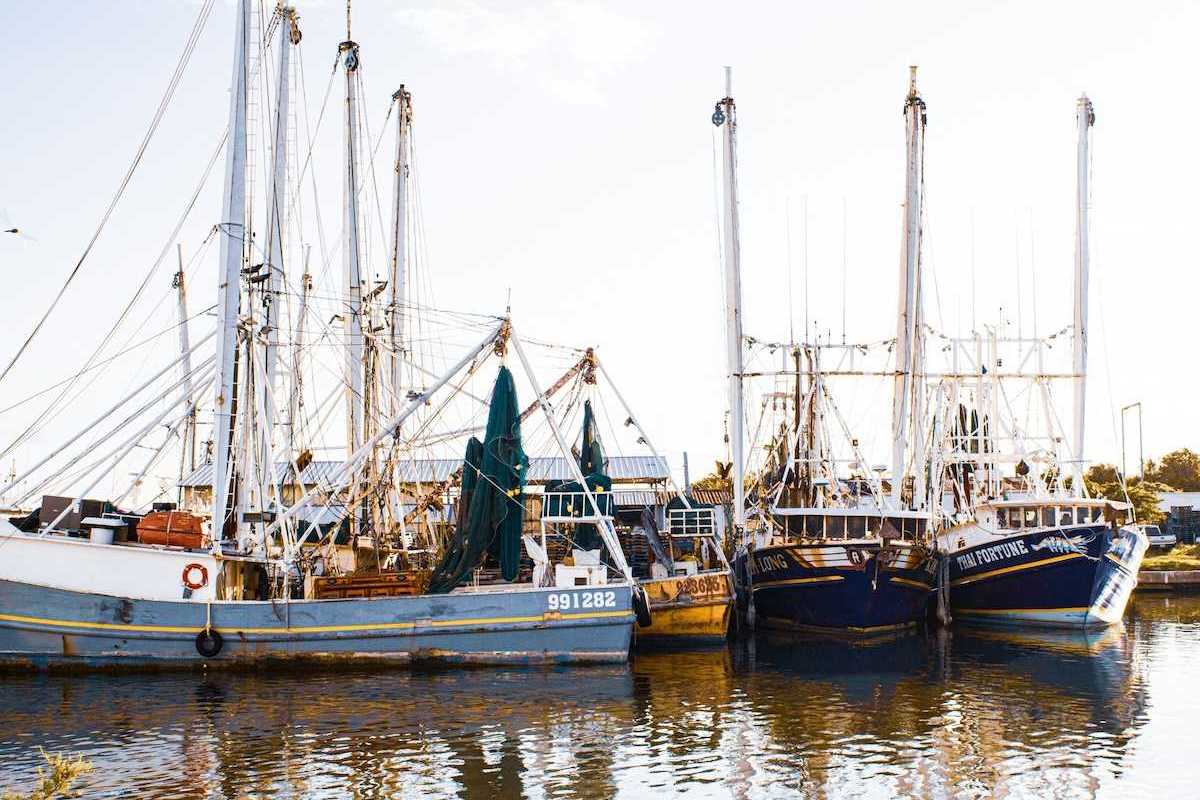
Marine heat waves have become longer and more frequent along the U.S. West Coast, as elsewhere in the world. But heating doesn’t always lead fish to change their location. A new study suggests a better way to tell if such ecological shifts are happening: Use fishing vessel tracking data.

Climate activist shareholder group Follow This and more than 20 other investors have filed resolutions calling on BP and Shell to disclose how they will create value if global demand for oil and gas declines, the group said on Wednesday.
FOLLOW US:
SUBSCRIBE:
Journalism that drives the discussion
Copyright © 2017 Environmental Health Sciences. All rights reserved.