california
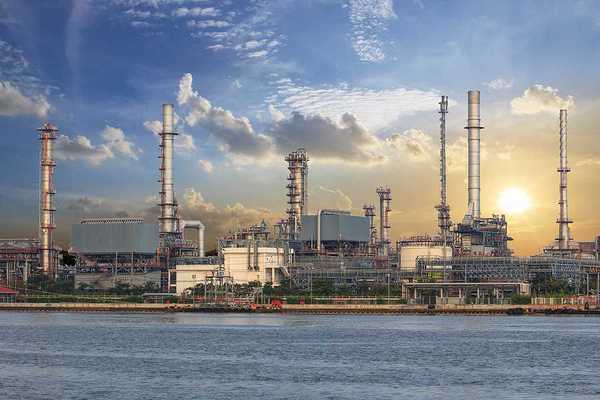
An oil refinery defined life in this quaint California city. What happens when it’s gone?
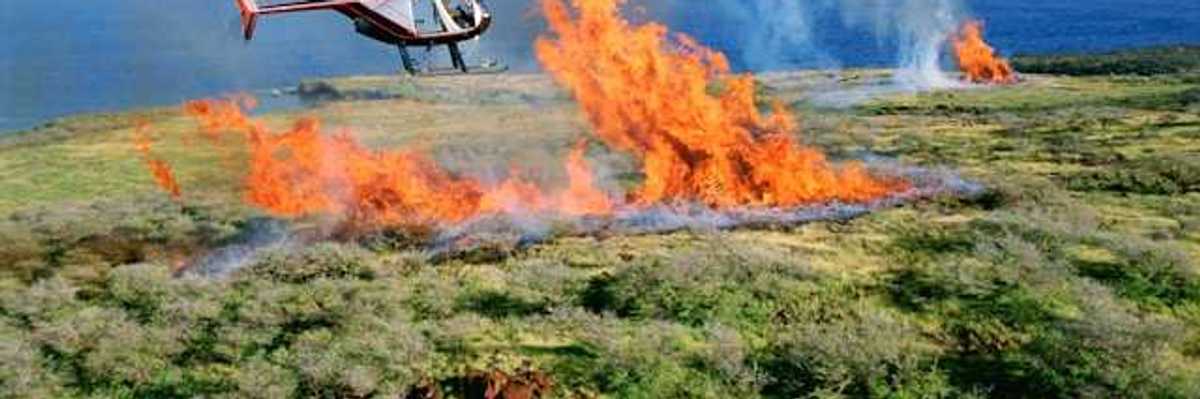
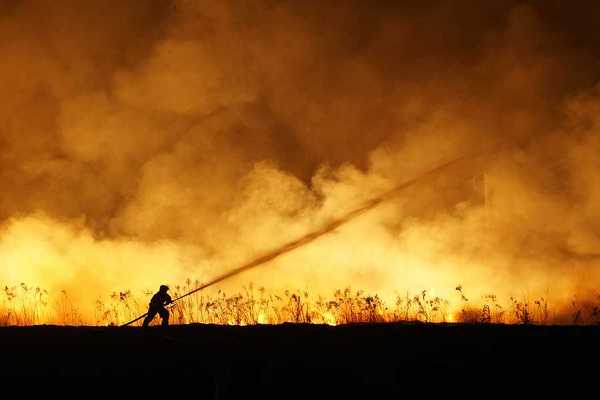
Number of days with weather just right for wildfires is soaring around the world
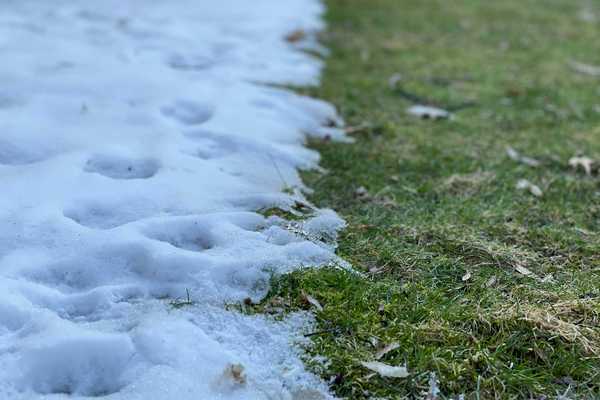
Worst snow drought in decades grips much of Western US
California takes Trump administration to court over plans to restart oil pipelines
New map reveals nearly half of the US faces landslide risk
Government scientists have released new data showing that 44% of the U.S. is at risk of experiencing landslides, with some areas particularly vulnerable.
In short:
- A new interactive map from the U.S. Geological Survey identifies nearly 44% of the U.S. as susceptible to landslides.
- High-risk areas include Appalachia, the Rocky Mountains, the California coast, southeast Alaska and Puerto Rico, where more than 90% of the territory is at risk.
- Landslides are often triggered by heavy rain and human development, with climate change increasing the likelihood of intense rainfall events.
Key quote:
“The best protection is knowledge. Knowing what a landslide is and how it might impact you is the best first step toward preparation.”
— Benjamin Mirus, research geologist with the United States Geological Survey
Why this matters:
Landslides pose a significant hazard, especially as climate change increases extreme rainfall, which is a primary trigger. Understanding landslide risks helps communities prepare and reduce the potential for devastating loss of life and property.
Related coverage: California's Highway 1 faces increasing threats
California music festival linked to rise in fungal infections
At least 19 people have contracted valley fever, a fungal infection that can sometimes be fatal, after attending a music festival in Southern California this past May.
In short:
- Valley fever is caused by inhaling Coccidioides, a fungus found in soil in the US Southwest.
- Of the 19 confirmed cases from the festival, eight were hospitalized.
- California has seen a sharp rise in valley fever cases, fueled by climate change and soil disturbances.
Key quote:
“We’re preparing for another possible increase in valley fever cases in the coming months, and we want Californians to know the signs and symptoms to detect it early.”
— Dr. Tomás Aragón, state public health officer
Why this matters:
Valley fever poses a growing health risk as climate change makes areas in the US Southwest more favorable for the fungus. Public awareness is key to early detection and treatment, especially as the number of infections continues to rise.
Berkeley aims to tax large buildings for natural gas use after gas ban repeal
Berkeley residents will vote in November on a first-of-its-kind tax targeting natural gas consumption in large buildings to fund the city's transition to electric alternatives.
In short:
- The proposed tax targets buildings more than 15,000 square feet, charging $2.96 per 100 cubic feet of gas used.
- Expected to generate $26.7 million annually, 90% of funds will go to electric retrofits in homes and buildings.
- The measure faces legal scrutiny similar to the gas ban but proponents believe it will hold up in court.
Key quote:
“People look to Berkeley as a bellwether for progressive climate action as well as an incubator of ideas. Someone needs to be putting ideas out there, and we think that has been and can continue to be Berkeley.”
— Daniel Tahara, lead organizer, Fossil Free Berkeley
Why this matters:
Shifting large buildings to electric power is crucial for reducing carbon emissions. Berkeley's tax could set a national precedent for how cities fund and enforce decarbonization policies.