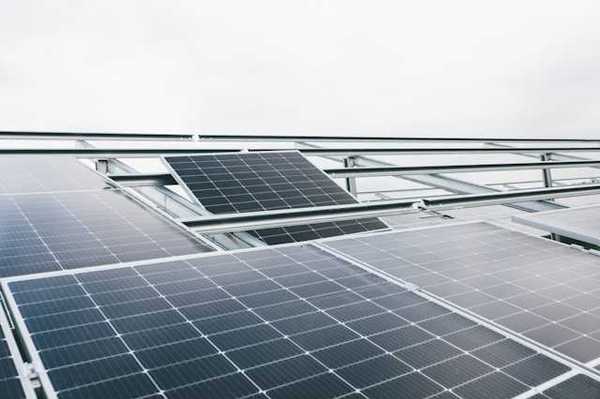
Newsletter Credit: Markus Spiske/Unsplash+ Solar saved Europe €3 billion in fossil fuel imports in March: Which country is leading the way? A new analysis found that Europe’s solar capabilities could save the continent €67.5 billion by the end of the year if gas prices remain high.
Top Story Credit: Hrant Khachatryan/Unsplash+ Iran war sparks renewables boom as Europeans rush to buy solar, heat pumps, and EVs The war on Iran has become a catalyst for green technology, as Europeans scramble to find less volatile alternatives to oil and gas.
Solutions Credit: Getty Images/Unsplash+ How Pakistan’s people-led solar boom is easing impact of Middle East energy crisis Falling costs and government incentives make solar an attractive option for many, reducing the need for gas.
Newsletter Credit: Andrey Armyagov/Big Stock Photo ‘Clean power everywhere’: How space-based solar could help us go beyond net zero targets Once considered a dystopian fantasy, space-based solar could soon transform the renewable energy sector.
Top Story Credit: Hartono Creative Studio/ Unsplash+ Battery demand 'straps on a rocket' in Australia as rooftop solar passes its peak Even as Australia appears to have passed the peak of solar uptake, demand for batteries is seemingly headed into orbit.
Newsletter Credit: MIRO3D/BigStock Photo ID: 147195269 Wind and solar overtook fossil fuels for EU power generation in 2025, report finds Researchers say event described as ‘major tipping point’ for clean energy in era of destabilized politics.
Newsletter Farmers use solar panels to protect crops and conserve water Arizona farmers are adopting solar panels to shade crops, conserve water, and generate power, aided by federal programs.Amaia J. Gavica reports for the Arizona Mirror.In short:Solar panels over crops provide shade, reducing water evaporation and protecting plants from extreme heat.The University of Arizona's agrivoltaics research shows increased soil moisture and crop yields with less water use.Federal programs like the Rural Energy for America Program offer loans and grants to support farmers in implementing renewable energy systems.Key quote:“Agrivoltaics actually helped us get even more bean production because now we were providing the shade, so they were less stressed.”— Greg Barron-Gafford, University of Arizona professorWhy this matters:Combining solar energy with farming helps Arizona combat drought, reduce water use, and increase crop yields. This sustainable approach supports farmers and aligns with broader environmental goals.Keep reading...Show less