thebarentsobserver.com
Newsletter
Credit: Natalia Arkusha/Unsplash
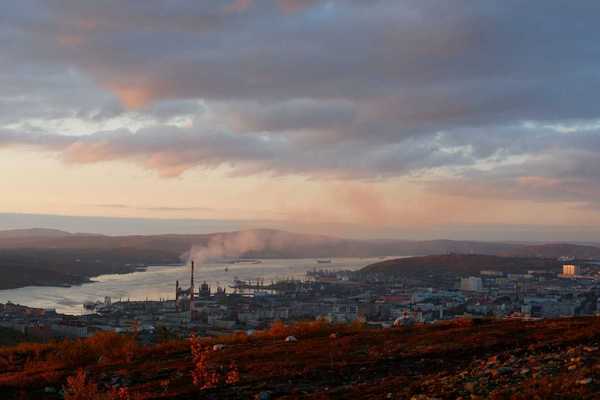
Worries grow in Norway as Murmansk becomes Russia's main oil export hub
Massive drone attacks this week on the major Baltic terminals of Primorsk and Ust-Luga have left Russia with few remaining routes for exporting oil, increasing reliance on the Kola Peninsula. In Norway, concerns are growing over the ecological risks posed by ageing “shadow fleet” tankers operating along the coast.

"It demonstrates the potential enormity of the problems society may face over the coming centuries" UiT scientists on the new data from the Barents Sea.
New Barents Sea study points to how global sea level will continue to rise.
Thawing permafrost may release industrial pollutants at Arctic sites
There are thousands of contaminated sites in the Arctic, and as permafrost thaws, increased pollutants from these areas could be released, says a recent study.
Equinor postpones decision on northernmost oil field
Environmental organizations rejoice as the Norwegian oil company and its partners announce a postponement of an investment decision on oil project Wisting.
Newsletter
Russian Arctic coal is looking for way out of sanctions
The launch of coal mining at the far northern Taymyr Peninsula was to lead to a boost in exports through the Northern Sea Route. Now, mining company Severnaya Zvezda instead seeks new markets and ways to replace sanctioned technology.
Red king crab might migrate to north and east Barents Sea
A new study predicts that Red King Crab populations will not only grow in size in the near future but will also take up a much larger area in the Barents Sea.
thebarentsobserver.com
The looming Arctic collapse: More than 40% of north Russian buildings are starting to crumble
The heat is on, and it is hitting the Arctic with detrimental consequence. Global warming is now leading to quick and irreversible change in the North. And Russia is among the ones worst affected.
ORIGINAL REPORTING
MOST POPULAR
CLIMATE