A massive Mojave Desert solar plant may shut down after just 11 years

Once the world’s largest solar-thermal power plant, California’s Ivanpah facility is on track for closure as cheaper solar technologies outcompete it, while some environmentalists criticize its impact on local wildlife.

Michael R. Blood reports for The Associated Press.


In short:

  • Opened in 2014, the Ivanpah solar-thermal plant, also known as concentrated solar, struggles to compete with lower-cost photovoltaic solar, leading Pacific Gas & Electric to terminate its power contracts years ahead of schedule.
  • Environmentalists blame the plant for killing thousands of birds and tortoises and destroying fragile desert habitat, calling it a failed experiment in renewable energy.
  • If regulators approve the contract terminations, two of the plant’s three units will close in 2026, and the site may be repurposed for photovoltaic solar panels.

Key quote:

“The Ivanpah plant was a financial boondoggle and environmental disaster.”

— Julia Dowell, Sierra Club

Why this matters:

The Ivanpah Solar Electric Generating System was once heralded as a marvel of renewable energy — an ambitious, sprawling complex in California’s Mojave Desert that used thousands of mirrors to concentrate sunlight onto towering receivers, generating electricity without burning fossil fuels. But a decade after it began operations, Ivanpah’s struggles have come to symbolize the rapid evolution of solar technology and the financial and environmental pitfalls of large-scale renewable projects. While solar power is an essential tool in curbing fossil fuel dependence, large-scale developments must balance sustainability with practicality. As technology advances, the energy landscape continues to shift, sometimes leaving once-revolutionary projects struggling to keep up.

Related: Op-ed: The real scam — rail against renewables, run away with factories

NOAA research vessel in ocean
Photo by NOAA on Unsplash

As NOAA funding lags, a critical ocean weather system nears a breaking point

Officials warn that if regional Integrated Ocean Observing System readings go dark, coastal forecasts will become less precise, endangering commercial fishermen, cargo ships and coastal communities.
A city street filled with lots of traffic.

EU to ‘push back petrol car sales ban to 2040’

The European Union is set to push back its ban on the sale of new petrol and diesel cars by five years to 2040, piling pressure on the UK to rethink the automotive sector’s net-zero commitments.

Small motorized boat navigating ice-choked waters off the coast of Greenland

Dodging icebergs and storms on the hunt for an ocean tipping point

Scientists fear warming is driving a collapse in the ocean currents that shape climate far and wide. The ice-choked waters off Greenland might hold the key.
aerial view of Louisiana Delta
Getty Images For Unsplash+

Louisiana is shrinking. Some tribes are fighting to protect what’s left of their communities

Since the early 1930s, the state has lost about 2,000 square miles of land for a variety of reasons that range from groundwater pumping to building levees along the Misssisippi River that have stopped the natural dumping of sediment.

Six local people walking single file on a trail in Congo
Photo by Trésor Kande on Unsplash

US and EU critical minerals project could displace thousands in DRC – report

Up to 6,500 people are at risk of being displaced amid a global race to secure supplies of copper, cobalt and other “critical minerals”.

The Berkeley Pit, a former open pit copper mine located in Butte, Montana.
Credit: JWCohen/Big Stock Photo

A land fight pits a sacred Apache tradition against a copper mine

An Apache girl comes of age in a traditional ceremony, possibly the last at Oak Flat before copper mining threatens to transform the sacred site in Arizona.
The exterior of a generic warehouse-type building

Data center Project Jupiter’s greenhouse gas emissions could rival New Mexico's largest cities

Developers of Project Jupiter are seeking state approval for emissions that could surpass the combined greenhouse gases of Albuquerque and Las Cruces, while advocates warn the split-permit approach skirts regulations meant to limit major air pollution sources.

From our Newsroom
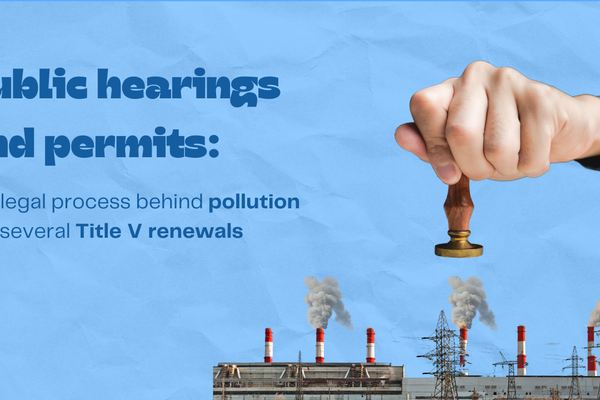
Multiple Houston-area oil and gas facilities that have violated pollution laws are seeking permit renewals

Multiple Houston-area oil and gas facilities that have violated pollution laws are seeking permit renewals

One facility has emitted cancer-causing chemicals into waterways at levels up to 520% higher than legal limits.

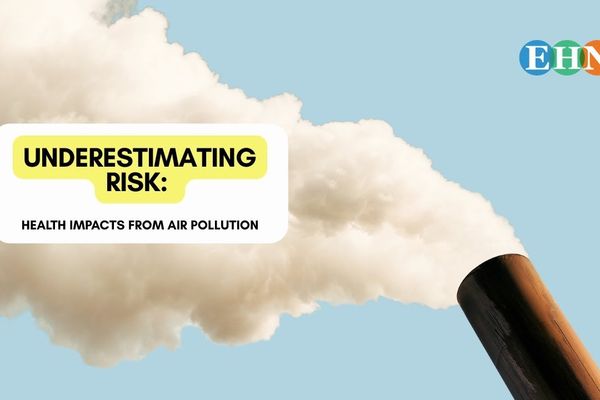
Regulators are underestimating health impacts from air pollution: Study

Regulators are underestimating health impacts from air pollution: Study

"The reality is, we are not exposed to one chemical at a time.”

Pennsylvania governor Josh Shapiro speaks with the state flag and American flag behind him.

Two years into his term, has Gov. Shapiro kept his promises to regulate Pennsylvania’s fracking industry?

A new report assesses the administration’s progress and makes new recommendations

silhouette of people holding hands by a lake at sunset

An open letter from EPA staff to the American public

“We cannot stand by and allow this to happen. We need to hold this administration accountable.”

wildfire retardants being sprayed by plane

New evidence links heavy metal pollution with wildfire retardants

“The chemical black box” that blankets wildfire-impacted areas is increasingly under scrutiny.

Stay informed: sign up for The Daily Climate newsletter
Top news on climate impacts, solutions, politics, drivers. Delivered to your inbox week days.