Agents of Change launches the Fellows in Residence program

Meet the senior fellows that will hone their communication and public engagement skills.

The Agents of Change program, a partnership between EHN and Columbia University Mailman School of Public Health, is excited to announce the Agents of Change Fellows in Residence Program.


During this past year we have been reflecting on our accomplishments with the five Agents of Change cohorts. After five years of training the next generation of impactful environmental health researchers, we decided it was time to deepen our work and reinvest in our existing community. The unprecedented changes in the fields of public health, environmental protection and climate science we’ve seen this year – which directly impacts the careers and livelihoods of many Agents of Change fellows – has underscored the importance of providing our community with the knowledge, skills, networks, and social capital necessary to navigate this complex landscape.

As a result, we are launching the Fellows in Residence program.

Our reimagined fellowship is an effort to deepen our impact on decision-making and provide additional support to six senior Agents of Change fellows in their path towards creating more impactful research.

A reimagined future

This new initiative will build and strengthen alliances and collaborations with other programs, institutions and media organizations, provide support and network to help fellows navigate opportunities where they and their research can lead conversations in their respective fields, amplify our fellows’ expertise and help them develop community and policy products that will be incorporated into decision-making.

The Fellows in Residence program gathers Senior Agents of Change fellows who will participate in key networking opportunities through webinars, personalized mentorship opportunities, and more.

They will also have the opportunity to work on an individualized communication campaign to broaden the impact of their research. In this new era, fellows in residence will pick and choose different deliverables such as op-eds, fact sheets, policy briefs, science snippet videos, or more, that align with their current work and interests.

Our fellows in residence

Meet our fellows in residence in the slideshow below. Click on right or left side of each photo to move forward or backwards.

Kevin P. Patterson (2022 fellow; Cohort 4)

Kevin Patterson, MPH is a doctoral candidate within the Department of Environmental Health Sciences at Columbia University Mailman School of Public Health. His research investigates the geo-spatial distribution of metal exposures (uranium, arsenic, etc.) in public and private drinking water supplies across the US. He focuses his work on Indigenous communities to understand the relationships between metal(loid) exposure through drinking water and chronic health conditions, ultimately aiming to develop primary and secondary interventions. As a citizen of the Navajo Nation, he seeks to inform tribal and federal regulations to reduce environmental exposures in rural, historically marginalized communities.

About Agents of Change 

Founded in 2020 by Dr. Ami Zota of Columbia University Mailman School of Public Health, Agents of Change has become one of the premiere national fellowships focused on increasing science communication and public engagement among early career scientists from backgrounds that haven’t been prioritized in science and academia.

Our fellows have published 62 essays, which are freely available in English and Spanish, and have reached 1.7 million readers (around 200,000 readers in Spanish). Our podcast — where we dive into the career paths and big ideas from fellows and other leaders in the field — has reached more than 80,000 listeners annually on Apple Podcasts, Spotify and SoundCloud.

Keep in touch

Want to keep on top of the program and the fellows' work? Subscribe to our newsletter and follow us on BlueSky, Instagram and LinkedIn. Learn more about current and senior fellows at agentsofchangeinej.org.
A fur seal lounging on a rock in the sun

As waters around Alaska warm, algal toxins are turning up in new places in the food web

Fur seal die-offs in the Pribilof Islands, attributed to algal toxins, are part of a trend affecting people who depend on the Bering Sea.
A power plant's smokestacks billowing smoke into the air

Surging energy demand helps fuel Trump’s love affair with coal

Keeping coal plants online has become the U.S. grid’s unofficial insurance policy, even as their emissions exacerbate extreme weather.
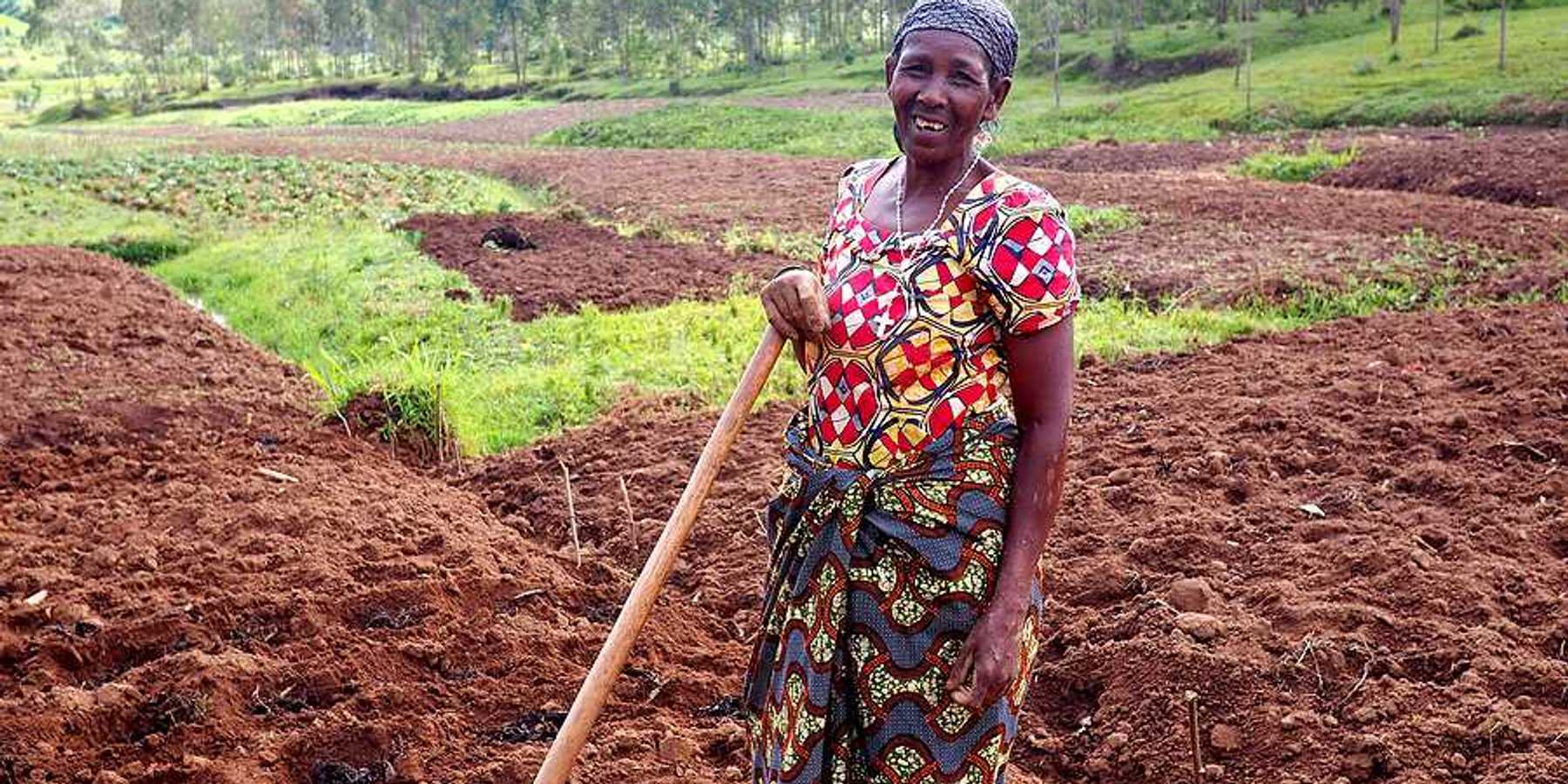
A black woman farmer standing in her fields in Rwanda

Two women, two different continents, but they have the same problem with their farms

Farmers in two very different parts of the world are experiencing similar impacts from climate change, including extreme weather and emerging livestock diseases.

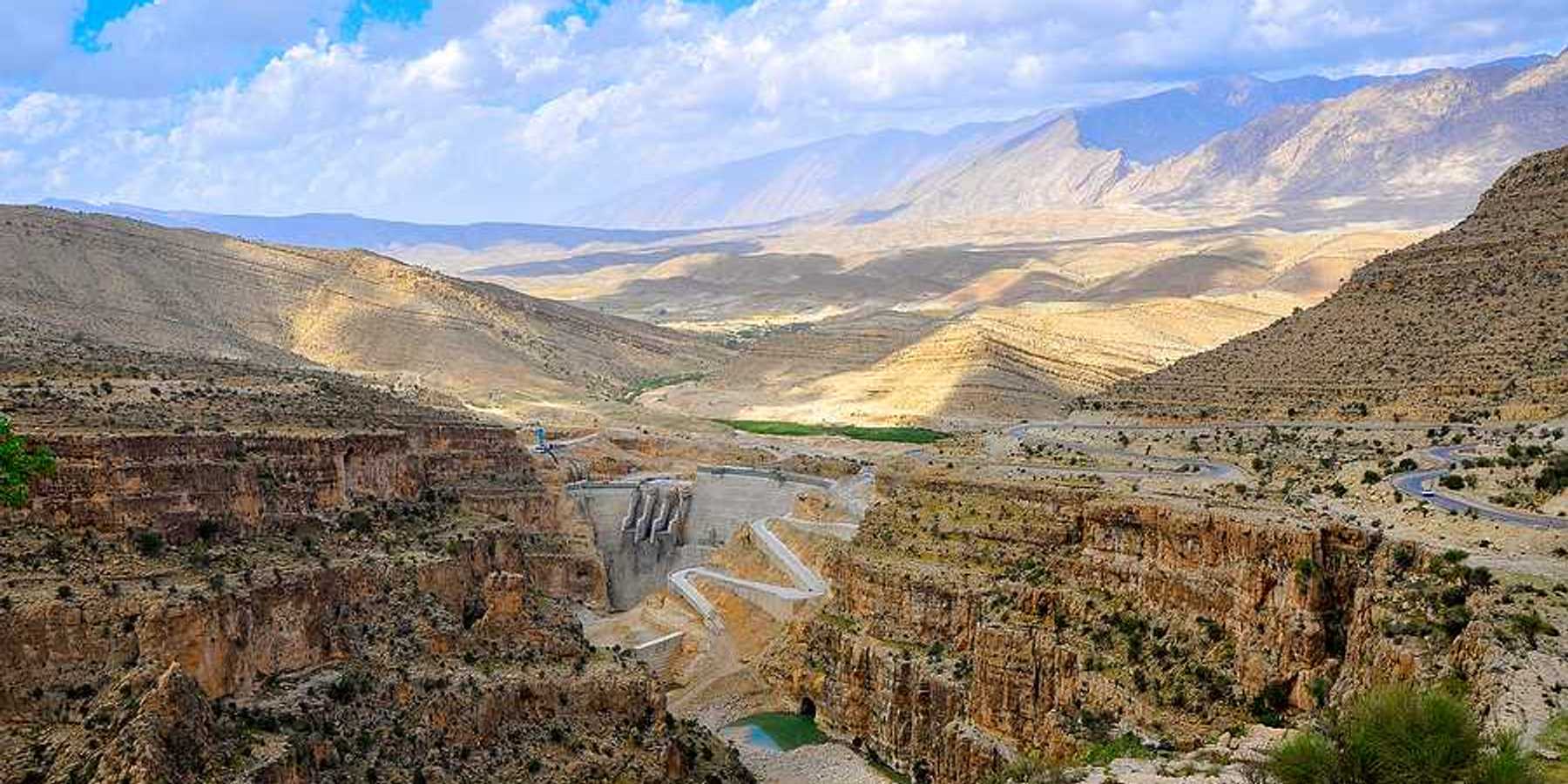
A dry environment with a dam and a small amount of water in view

Iran was already running out of water. Then came the ‘war on infrastructure’

Military strikes, drought, and a legacy of overpumping are driving Iran’s fragile food and water system to the brink.
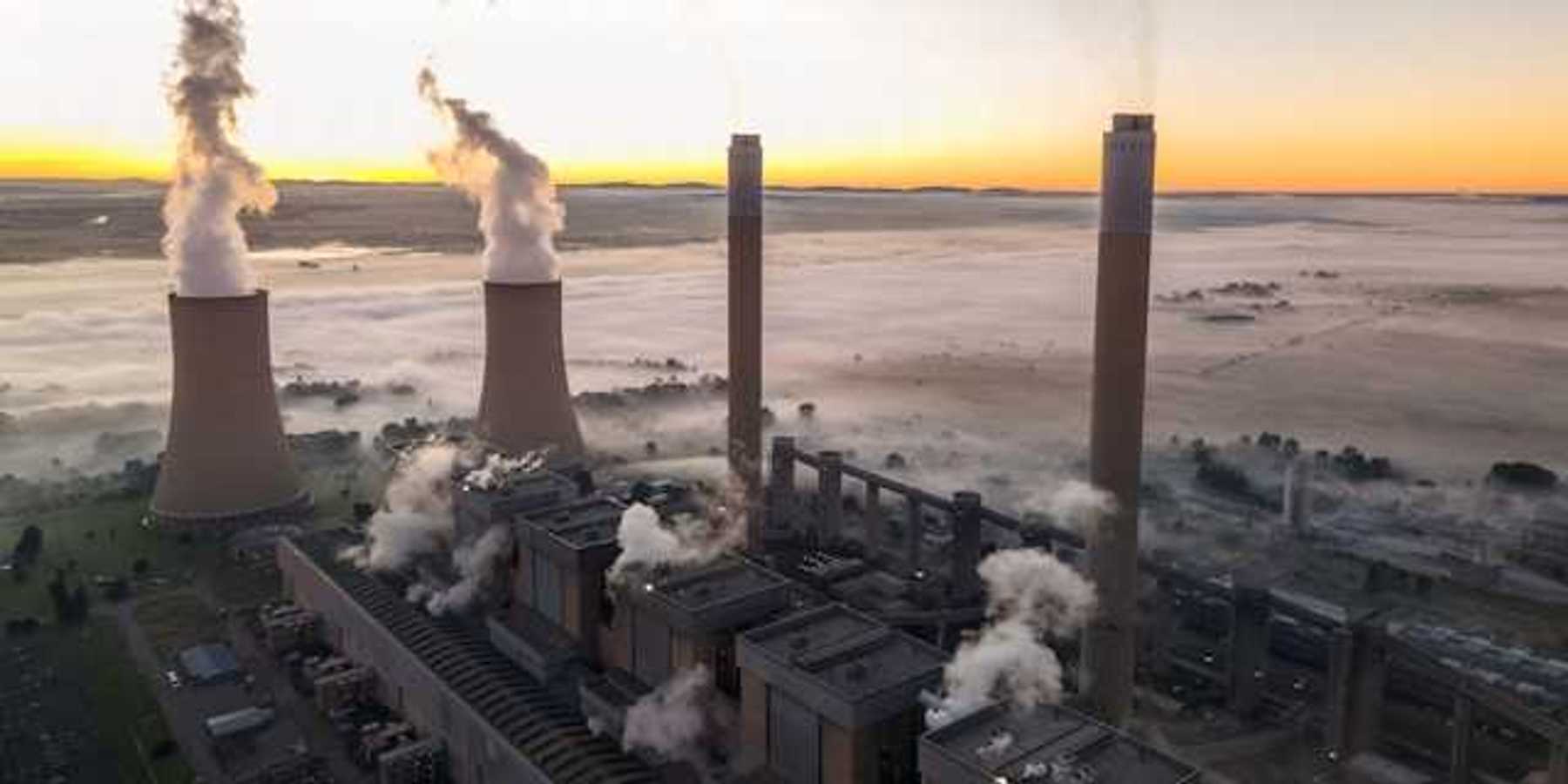
A coal power plant viewed from above

Utilities warn of soaring costs related to Trump order for Indiana coal plants to stay open

A renewed federal order is keeping two aging Indiana coal plants running months after their planned retirement.
USA flag and Iran flag on cracked wall damage. United state of America and Iran have conflict in nuclear weapons and Strait of Hormuz.
Credit: Dilok/BigStock Photo ID: 305909299

White House’s ‘drill baby drill’ wartime mandate meets volatile market reality

At CERAWeek, Energy Secretary Chris Wright urges a patriotic surge in oil production, but industry titans warn that the U.S.-Iran war has fractured the global energy map beyond the reach of a quick fix.
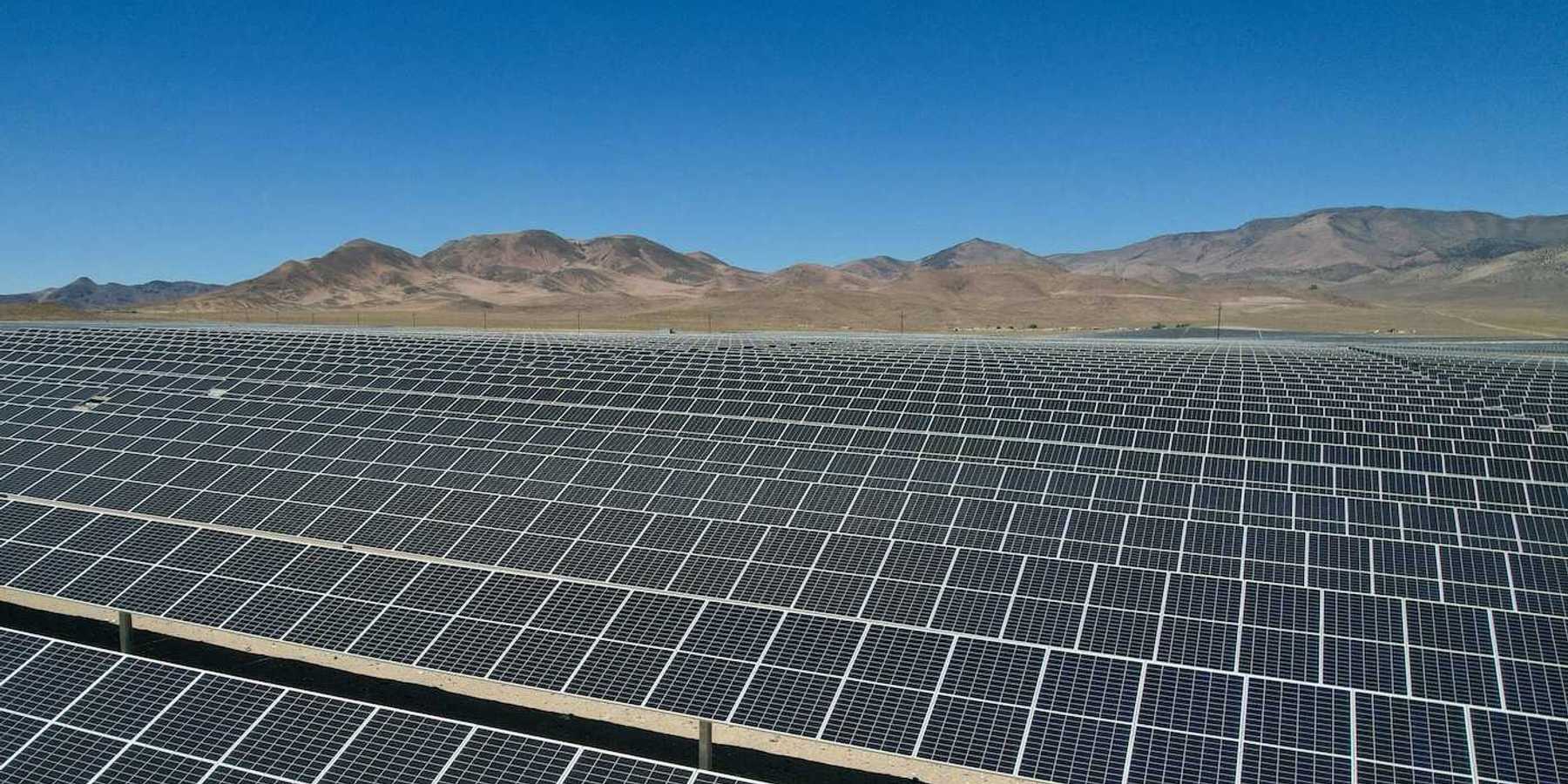
Large expanse of solar panels stretching out to distant hills.

Wealthy investors target foes of clean energy, seeking revenge

Renewable energy leaders said their industry got “rolled” in President Trump’s tax bill. Now they’re fighting back, starting in Texas.
From our Newsroom
Multiple Houston-area oil and gas facilities that have violated pollution laws are seeking permit renewals

Multiple Houston-area oil and gas facilities that have violated pollution laws are seeking permit renewals

One facility has emitted cancer-causing chemicals into waterways at levels up to 520% higher than legal limits.

Regulators are underestimating health impacts from air pollution: Study

Regulators are underestimating health impacts from air pollution: Study

"The reality is, we are not exposed to one chemical at a time.”

Pennsylvania governor Josh Shapiro speaks with the state flag and American flag behind him.

Two years into his term, has Gov. Shapiro kept his promises to regulate Pennsylvania’s fracking industry?

A new report assesses the administration’s progress and makes new recommendations

silhouette of people holding hands by a lake at sunset

An open letter from EPA staff to the American public

“We cannot stand by and allow this to happen. We need to hold this administration accountable.”

wildfire retardants being sprayed by plane

New evidence links heavy metal pollution with wildfire retardants

“The chemical black box” that blankets wildfire-impacted areas is increasingly under scrutiny.

Stay informed: sign up for The Daily Climate newsletter
Top news on climate impacts, solutions, politics, drivers. Delivered to your inbox week days.