Alaskan Indigenous communities adapt to climate change

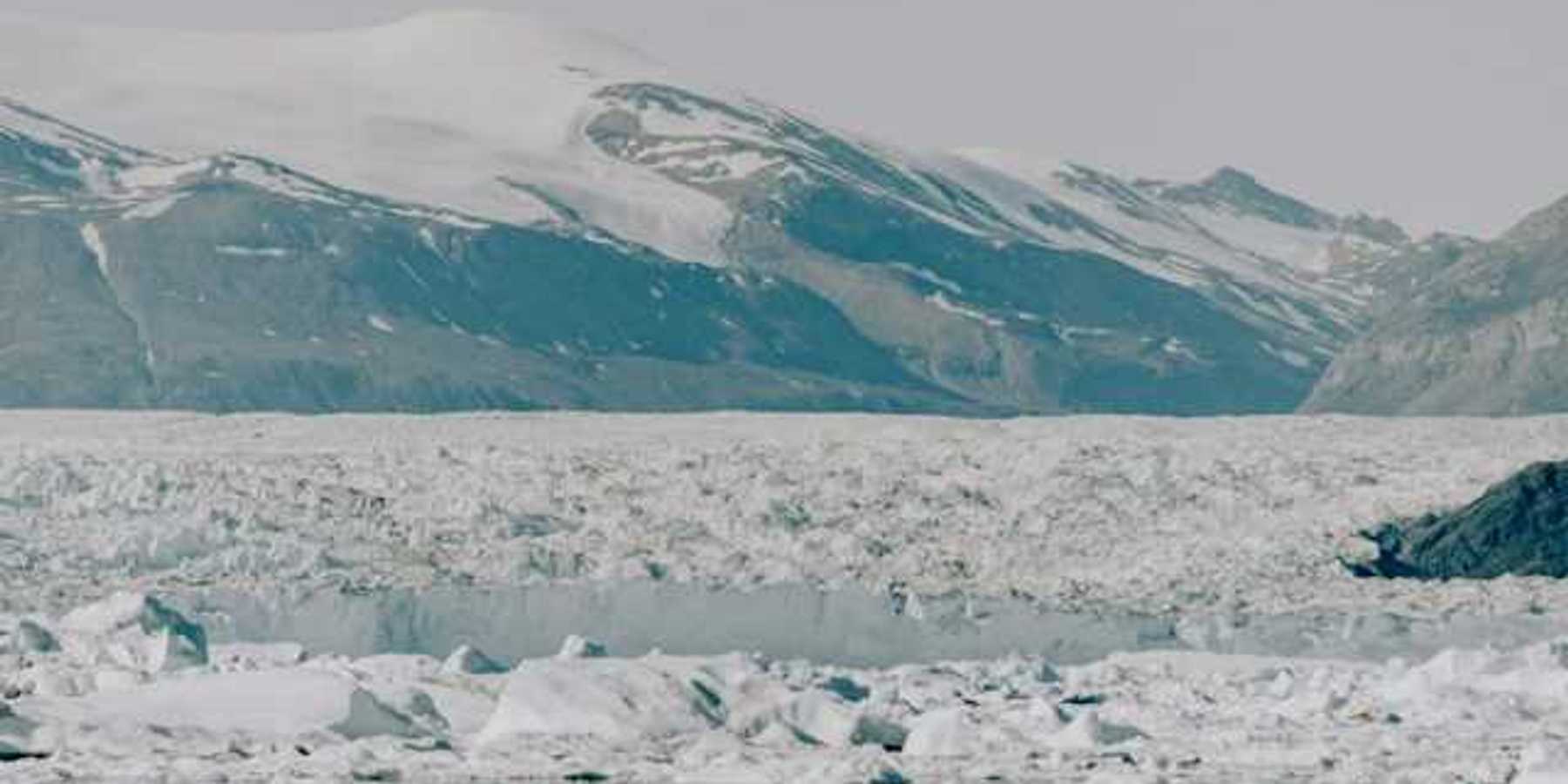
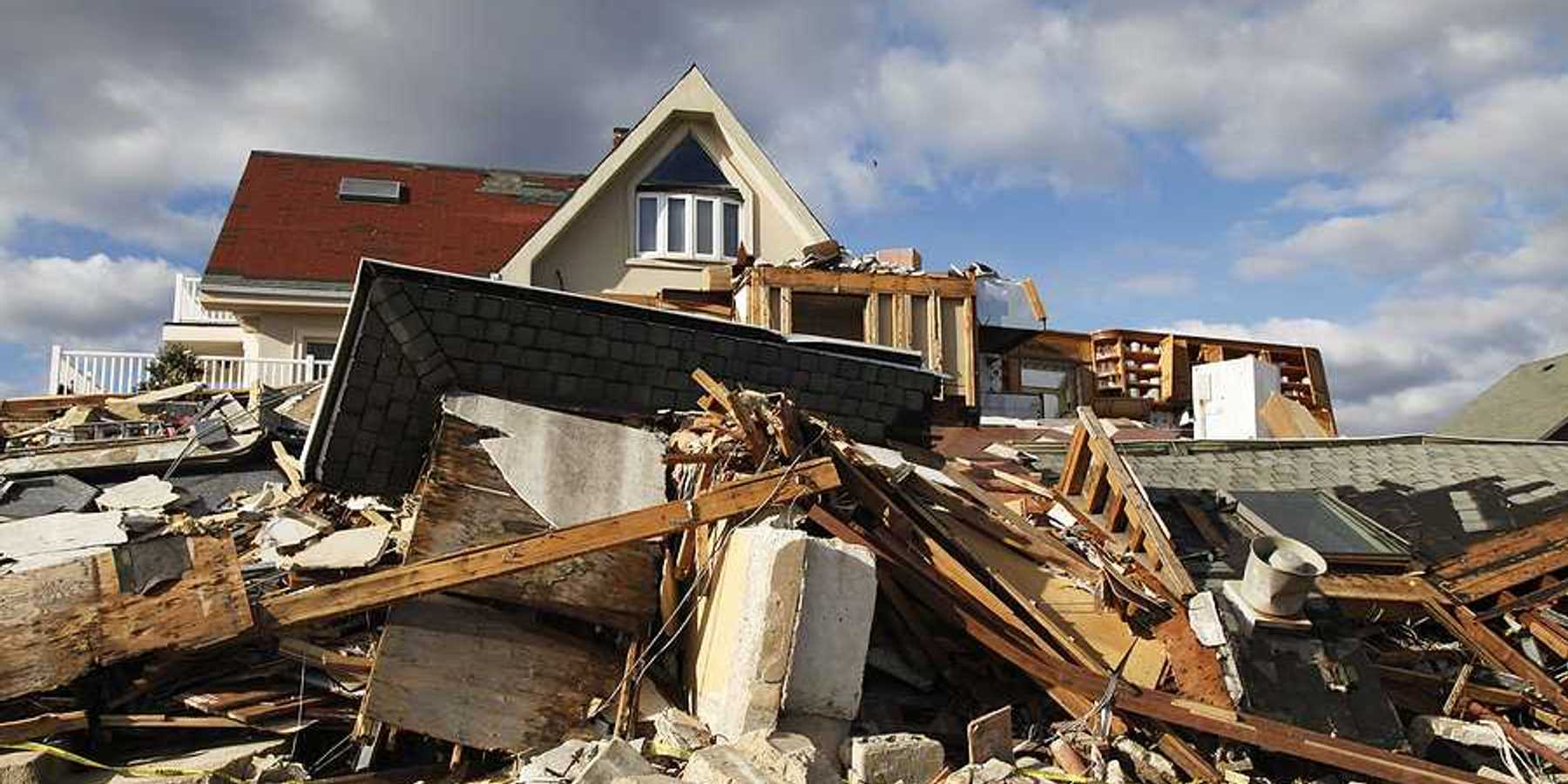
Alaska’s rapid warming forces Indigenous communities like Point Hope to adapt their traditional lifestyles to changing conditions.

Joseph Lee reports for Vox.


In short:

  • Alaska is warming up to three times faster than the global average, severely impacting Indigenous communities reliant on ice and wildlife.
  • Traditional practices are being adjusted; for example, people in Point Hope adapt by changing their hunting and food storage methods.
  • Community projects, like building a pool in Bethel, prepare residents for unpredictable conditions caused by climate change.

Key quote:

“You can’t really change the Arctic. You can only change with the Arctic.”

— Priscilla Frankson, Iñupiaq student

Why this matters:

Indigenous communities’ adaptation strategies offer practical examples for dealing with climate change. As extreme weather becomes more common, these approaches highlight the importance of local, knowledge-based solutions.

a group of people walking down a tree lined path in a park

Urban greenery is making some cities hotter, study finds

As urban planners look to expand green spaces to help cool cities, a new study finds that, in arid regions, grassy areas can actually have a warming effect.

raw meat in clear plastic packs

The carbon cost of your burger: How much would a meat tax cost the average EU household?

Scientists have put forward the “first step” in tackling meat-related emissions without sending food prices skyrocketing.
a couple of wooden scoops filled with coffee beans

The knowledge to save coffee already exists, now it’s in one e-library

Roughly half the world’s arabica coffee-growing regions will become unsuitable for cultivation of the crop by 2050 due to the effects of climate change.

The interior of the New Mexico capitol building

Six years on, New Mexico still hasn’t codified governor’s climate goals

As the legislative session opens, lawmakers again will weigh a pledge to reduce emissions. Last year, two Democrats joined the GOP to sink it.
A ferry unloading trucks on the edge of a river in Bangladesh

Volunteers are battling climate-fuelled diseases in Bangladesh

As mosquitoes spread dengue and chikungunya, Bangladesh’s cleanup crews are taking public health into their own hands.
September 2008 New York NY; New York Stock Exchange with Wall street sign in front
Photo Credit: Copyright: idrutu/ BigStock Photo ID: 4674983

How Wall Street turned its back on climate change

Six years after the financial industry pledged to use trillions to fight climate change and reshape finance, its efforts have largely collapsed.
Crude oil and petroleum concept. Pump jack, US dollar notes and Venezuela flag background
Photo credit: Copyright: MillaF/ BigStock Photo ID: 361719841

Opinion: The dirty math behind Trump’s thirst for oil

Venezuela became a target. That’s bad for the climate. And for Canada.
From our Newsroom
Multiple Houston-area oil and gas facilities that have violated pollution laws are seeking permit renewals

Multiple Houston-area oil and gas facilities that have violated pollution laws are seeking permit renewals

One facility has emitted cancer-causing chemicals into waterways at levels up to 520% higher than legal limits.

Regulators are underestimating health impacts from air pollution: Study

Regulators are underestimating health impacts from air pollution: Study

"The reality is, we are not exposed to one chemical at a time.”

Pennsylvania governor Josh Shapiro speaks with the state flag and American flag behind him.

Two years into his term, has Gov. Shapiro kept his promises to regulate Pennsylvania’s fracking industry?

A new report assesses the administration’s progress and makes new recommendations

silhouette of people holding hands by a lake at sunset

An open letter from EPA staff to the American public

“We cannot stand by and allow this to happen. We need to hold this administration accountable.”

wildfire retardants being sprayed by plane

New evidence links heavy metal pollution with wildfire retardants

“The chemical black box” that blankets wildfire-impacted areas is increasingly under scrutiny.

Stay informed: sign up for The Daily Climate newsletter
Top news on climate impacts, solutions, politics, drivers. Delivered to your inbox week days.