Americans express concern over nature but often misjudge their role in environmental damage

A recent global survey reveals that while many Americans are worried about environmental issues, a large portion does not see themselves as contributing significantly to the problem.

Katie Surma reports for Inside Climate News.


In short:

  • The Global Commons survey found that 88% of respondents globally are worried about environmental destruction.
  • Half of Americans polled do not feel personally affected by climate risks, despite evidence showing they are.
  • Only 15% of Americans believe they bear responsibility for environmental harm, attributing blame to businesses and governments.

Key quote:

“It’s troubling that Americans aren’t making that connection.”

— Geoff Dabelko, professor at Ohio University

Why this matters:

Americans’ misunderstanding of their environmental impact hinders progress toward global climate goals. Individual lifestyle changes, especially among the wealthiest, are crucial to reducing carbon emissions and halting ecosystem destruction.

Related EHN coverage:
Large storage batteries with transmission lines in background

Why tech giants are ditching the power grid

Seeking power for data centers, Meta and other companies plan to use equipment that is expensive and polluting.
Refinery explosion and subsequent fire
Credit: surpasspro/BigStock Photo ID: 806091

Opinion: We need to be honest about Iran – and how our rampant greed for oil is causing mayhem

Oil has empowered capitalism, and some of the world’s most exploitative regimes. Move away from it and we can solve some of the key issues we face, says Guardian columnist George Monbiot.

A depiction of a greener planet, green energy, and green solutions for the planet.

House Democrats want clean energy tax credits back

A new bill would reinstate incentives from the Inflation Reduction Act and provide assistance for consumer electricity costs.
Salt Lake City center beneath a hazy sky

Do high temperatures, pollution contribute to suicide risk?

University of Utah study suggests knowing the suicide risk could improve policies, save lives.

Data Center corridor lined with racks and racks of electronics

AI power demand creates ‘high likelihood, high impact’ grid risks

The North American transmission watchdog warns of cascading outages if the largest data centers aren’t regulated.
Large group of African people waiting to get water.
Credit: hikrcn/BigStock Photo ID: 61685276

Women and girls bearing brunt of water shortages globally, UN warns

Unesco calls for action as lack of access and sanitation hits health, education and food security of women.

Orange dumpster full of bricks and rubble
Credit: vebboy/BigStock Photo ID: 328126210

Rubble remodel: Building homes from the city's past

Cities are quietly becoming raw‑material hubs as urban miners turn rubble into a carbon‑saving construction supply chain.
From our Newsroom
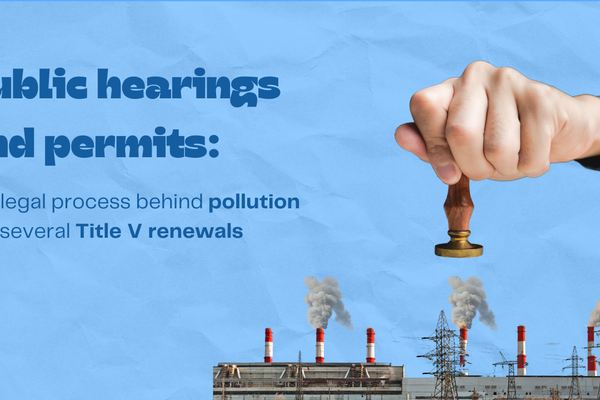
Multiple Houston-area oil and gas facilities that have violated pollution laws are seeking permit renewals

Multiple Houston-area oil and gas facilities that have violated pollution laws are seeking permit renewals

One facility has emitted cancer-causing chemicals into waterways at levels up to 520% higher than legal limits.

Regulators are underestimating health impacts from air pollution: Study

Regulators are underestimating health impacts from air pollution: Study

"The reality is, we are not exposed to one chemical at a time.”

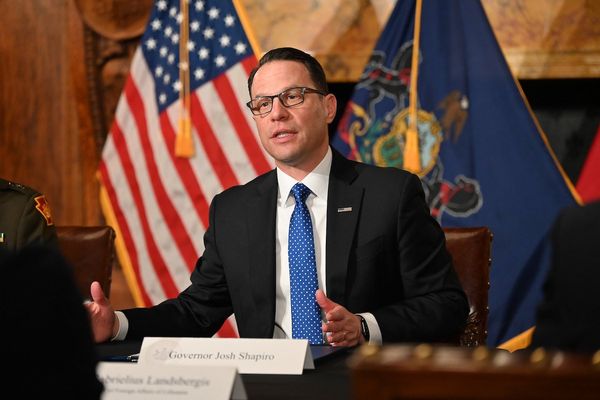
Pennsylvania governor Josh Shapiro speaks with the state flag and American flag behind him.

Two years into his term, has Gov. Shapiro kept his promises to regulate Pennsylvania’s fracking industry?

A new report assesses the administration’s progress and makes new recommendations

silhouette of people holding hands by a lake at sunset

An open letter from EPA staff to the American public

“We cannot stand by and allow this to happen. We need to hold this administration accountable.”

wildfire retardants being sprayed by plane

New evidence links heavy metal pollution with wildfire retardants

“The chemical black box” that blankets wildfire-impacted areas is increasingly under scrutiny.

Stay informed: sign up for The Daily Climate newsletter
Top news on climate impacts, solutions, politics, drivers. Delivered to your inbox week days.