Banks face scrutiny for green loans to major polluters

Banks have issued billions in "sustainability-linked loans" to polluting companies, but critics argue that the loans lack transparency and fail to ensure meaningful environmental improvements.

Sasha Chavkin reports for The Examination.


In short:

  • Major banks have issued over $286 billion in discounted loans since 2018 to industries linked to deforestation and fossil fuels.
  • Companies often report "emissions intensity" improvements instead of reducing overall emissions, allowing their total pollution to grow.
  • Critics argue the loans enable greenwashing, with minimal oversight and few binding commitments to sustainability.

Key quote:

“It’s hard to breathe. I don’t know what’s going on, but there’s something in this air.”

— Carmella Causey, resident of Gloster, Miss.

Why this matters:

These loans can mislead the public about companies' environmental impacts, diverting funds from more sustainable projects and undermining efforts to reduce global carbon emissions. Communities near polluting operations also face health risks as companies expand harmful activities under a "green" label.

Related coverage:

A person fueling a large truck with a yellow nozzle

Trump’s Russian diesel deal draws GOP, European pushback — and industry shrug

Trump’s plan to buy diesel from Russia is sparking a political backlash — and further ruptures in the transatlantic alliance — for a deal the oil industry says may never happen.

Three silhouetted figures watch a large fire burn in a field

As wildfires intensify, communities have a bigger role to play

As France confronts increasingly destructive wildfires, researchers say its largely top-down approach leaves residents with little role in preparing for them. In parts of the U.S., communities are experimenting with a different approach.
An old oven sitting in the middle of a destroyed building

What new research reveals about the dangers of smoke from urban firestorms

A study of Maui survivors found high amounts of toxic metals in their bodies for as long as 18 months after the fire. Another study found the Eaton Fire’s smoke had lead concentrations up to 250 times higher than normal.
A bunch of grapes on a vine

Climate change gives Swedish winemakers an unexpected boost

Nordic newcomers to the world of wine are toasting what they believe will be a vintage harvest, thanks, in no small part, to climate change.

Two men installing solar panels on a roof

How one Chicago program is diversifying the solar workforce

Founded by a former public-housing resident, the 548 Foundation provides training, stipends, and support to build Black generational wealth through clean energy.

A small tropical island viewed from the air

How rewilding could help atoll islands keep pace with rising seas

Healthy ecosystems may give some of the world’s most vulnerable islands a better shot at survival, new research shows.
Two young women wearing hijab

‘I am still a child, it cannot be good to be married’: How drought forces Afghan families to sell girls as brides

As climate breakdown pushes families to starvation, many feel forced to ‘sacrifice’ daughters to save siblings, with girls as young as eight and 10 engaged or married to repay debts or pay for food.

From our Newsroom
Multiple Houston-area oil and gas facilities that have violated pollution laws are seeking permit renewals

Multiple Houston-area oil and gas facilities that have violated pollution laws are seeking permit renewals

One facility has emitted cancer-causing chemicals into waterways at levels up to 520% higher than legal limits.

Regulators are underestimating health impacts from air pollution: Study

Regulators are underestimating health impacts from air pollution: Study

"The reality is, we are not exposed to one chemical at a time.”

Pennsylvania governor Josh Shapiro speaks with the state flag and American flag behind him.

Two years into his term, has Gov. Shapiro kept his promises to regulate Pennsylvania’s fracking industry?

A new report assesses the administration’s progress and makes new recommendations

silhouette of people holding hands by a lake at sunset

An open letter from EPA staff to the American public

“We cannot stand by and allow this to happen. We need to hold this administration accountable.”

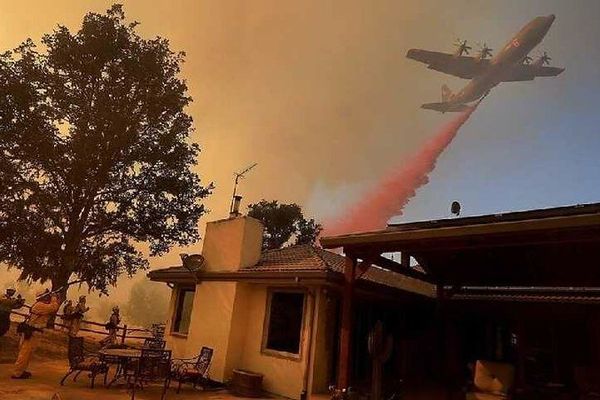
wildfire retardants being sprayed by plane

New evidence links heavy metal pollution with wildfire retardants

“The chemical black box” that blankets wildfire-impacted areas is increasingly under scrutiny.

Stay informed: sign up for The Daily Climate newsletter
Top news on climate impacts, solutions, politics, drivers. Delivered to your inbox week days.