Biden’s appliance efficiency rules likely to persist despite Trump’s climate plans

President-elect Donald Trump may find it difficult to undo energy efficiency standards set by Joe Biden, which aim to cut greenhouse emissions and reduce energy costs.

Nicolás Rivero reports for The Washington Post.


In short:

  • Biden’s administration set energy efficiency standards for dozens of appliances, potentially cutting emissions equivalent to 18 million cars annually, according to the U.S. Department of Energy.
  • These rules could save American households nearly $270 billion over 20 years, according to a report by the Appliance Standards Awareness Project, and significantly reduce energy usage in buildings.
  • While Trump can’t reverse these rules outright, he might delay future updates or let lawsuits weaken them.

Key quote:

“The law has an anti-backsliding clause that’s very strong. It says that no new standard can be weaker than the existing standard.”

— Andrew deLaski, executive director of the Appliance Standards Awareness Project

Why this matters:

Improved energy efficiency curbs greenhouse gas emissions and saves money for consumers, especially in areas with high energy costs. Weakening these rules could stall climate progress and leave future gains unrealized.

Related: New energy efficiency standards announced for home appliances
Interior of chemical factory or plant workshop with metal industrial manufacturing production equipment

Opinion: Artificial intelligence can spur chemical plant decarbonization

AI can help engineers navigate thousands of decisions each shift, including constant energy, emissions, and cost trade-offs.

The New Mexico state capitol building in Santa Fe

Clear Horizons Act, setting emissions goals, heads to New Mexico Senate floor

The Clear Horizons Act would enshrine the climate goals enacted by Gov. Michelle Lujan Grisham’s 2019 executive order to lower New Mexico’s greenhouse gas emissions to a 2005 target level.

A ship sailing past a large iceberg

Black carbon spewing from ships is a major climate threat in the Arctic

A coalition of nations and environmental groups is lobbying the International Maritime Organization to create regulations around black carbon, or soot, that spews from ships and blankets parts of glaciers and snow.
A view of ice-covered water with icicles forming on a nearby cliff
Credit: Hans/Unsplash

What over a century of ice data can tell us about the Great Lakes' future

Using old records, scientists created a new dataset on ice cover since 1897. It's already being used to study a declining fish species.
A fracking well next to a farm field

Fracking boom put oil field in Texas river’s floodplain

Lack of a state floodplain policy enabled oil companies to build in parts of Texas hit by an epic inundation less than 30 years ago.
A man wearing a business suit riding his bike to work

Encouragement boosts people’s likelihood to take climate action

Framing climate action as “doing more good” instead of “doing less bad” makes people more willing to act and feel better about it, a study finds.
The blue and white Energy Star logo sticker

Energy Star program survives Trump administration's budget cuts

Energy Star, the program that helps guide consumers to more energy-efficient appliances and electronics, has survived President Donald Trump’s attempt to kill it.
From our Newsroom
Multiple Houston-area oil and gas facilities that have violated pollution laws are seeking permit renewals

Multiple Houston-area oil and gas facilities that have violated pollution laws are seeking permit renewals

One facility has emitted cancer-causing chemicals into waterways at levels up to 520% higher than legal limits.

Regulators are underestimating health impacts from air pollution: Study

Regulators are underestimating health impacts from air pollution: Study

"The reality is, we are not exposed to one chemical at a time.”

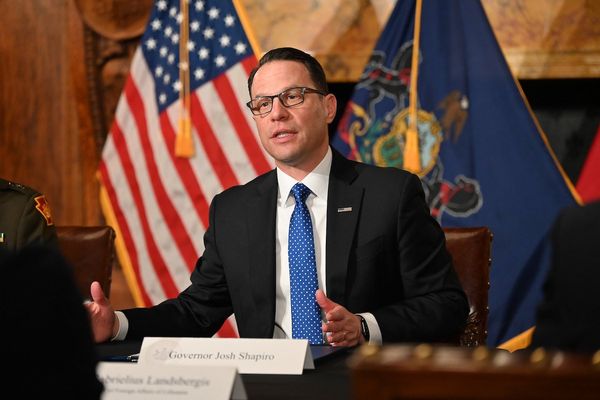
Pennsylvania governor Josh Shapiro speaks with the state flag and American flag behind him.

Two years into his term, has Gov. Shapiro kept his promises to regulate Pennsylvania’s fracking industry?

A new report assesses the administration’s progress and makes new recommendations

silhouette of people holding hands by a lake at sunset

An open letter from EPA staff to the American public

“We cannot stand by and allow this to happen. We need to hold this administration accountable.”

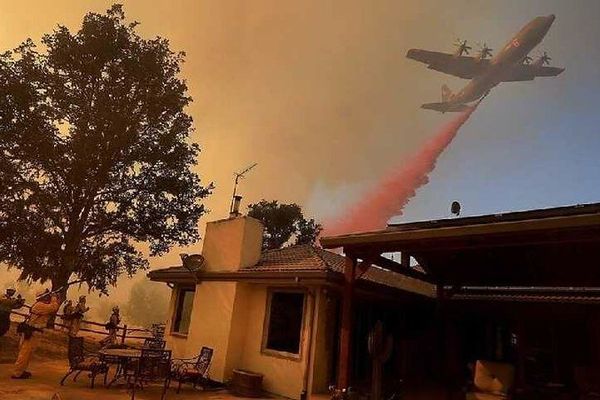
wildfire retardants being sprayed by plane

New evidence links heavy metal pollution with wildfire retardants

“The chemical black box” that blankets wildfire-impacted areas is increasingly under scrutiny.

Stay informed: sign up for The Daily Climate newsletter
Top news on climate impacts, solutions, politics, drivers. Delivered to your inbox week days.