Big Tech's power needs leave Navajo families in the dark

Amid Arizona's booming data center industry, thousands of Navajo Nation residents remain without electricity, while utilities prioritize meeting corporate power demands.

Pranshu Verma reports for The Washington Post.


In short:

  • Navajo Nation residents like Thomasina Nez live without electricity, struggling to meet basic needs while power companies serve data centers.
  • Arizona’s utility board rejected a $4 million plan to bring electricity to Navajo Nation, but approved an 8% rate hike to fund infrastructure for growing power demands.
  • Data centers consume a significant share of Arizona’s electricity, pushing utilities to revive coal and gas plants despite environmental concerns.

Key quote:

“We’ve been without [power] for quite a long time… for them to get more power, it’s kind of not right.”

— Thomasina Nez, Navajo Nation resident

Why this matters:

The energy demands of Big Tech are exacerbating existing inequities, leaving vulnerable communities, like many on the Navajo Nation, without basic services. With utilities focused on profits and corporate customers, many residents face health risks, high costs and environmental damage.

Related EHN coverage: LISTEN: What would a just energy transition look like for US tribes?

A Bali stream flowing through a forest

As a Super El Niño looms, Indonesia’s crippling drought deepens

The country’s water crisis threatens drinking water and hydropower and worsens the risk of destructive fires.
A view of the top portion of the earth from space

Inside the passage of America’s biggest climate law

In a new memoir, author Leah Stokes takes readers behind the scenes of U.S. democracy — and shows how people can still have an outsize impact by working together.

A street with the words Bus Lane painted in one lane

California Democrats claw back $450 million for climate projects

Gov. Gavin Newsom’s new carbon market rules threatened money for certain climate programs. He struck a deal to continue funding for transit and water projects.
A gas tower flaring orange flames into the sky

Opinion: Why tough methane cuts are crucial for keeping warming ‘well-below’ 2C

Reducing emissions of methane – a gas primarily produced by agriculture, fossil fuels and waste management – is a powerful option for limiting global warming in the near-term.

A brown tick on a green leaf

Alpha-gal syndrome is spreading rapidly. Arkansas may hold clues to what comes next

Cases of the tick-borne allergy alpha-gal syndrome are surging as warmer temperatures, abundant deer and expanding development help lone star ticks spread.

A cliff off the coast of Naples, Italy

How is the Mediterranean changing? 40 years of data reveal climate change impact

Spanish scientists and researchers from Europe and the U.S. compiled data from 46 oceanographic campaigns carried out between 1976 and 2018 to study changes in the Mediterranean and the impact of climate change.

A smoke stack with smoke billowing out into the clouds

New York's plan to charge fossil-fuel producers for climate change damages is struck down in court

A federal judge has struck down New York’s attempt to make fossil fuel-producing industries pay into a $75 billion fund to repair damage wrought by climate change.
From our Newsroom
Multiple Houston-area oil and gas facilities that have violated pollution laws are seeking permit renewals

Multiple Houston-area oil and gas facilities that have violated pollution laws are seeking permit renewals

One facility has emitted cancer-causing chemicals into waterways at levels up to 520% higher than legal limits.

Regulators are underestimating health impacts from air pollution: Study

Regulators are underestimating health impacts from air pollution: Study

"The reality is, we are not exposed to one chemical at a time.”

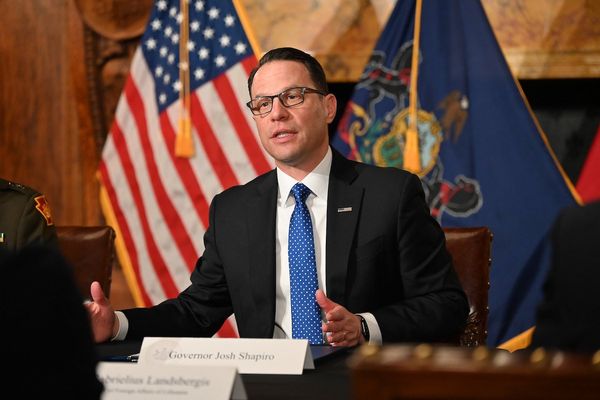
Pennsylvania governor Josh Shapiro speaks with the state flag and American flag behind him.

Two years into his term, has Gov. Shapiro kept his promises to regulate Pennsylvania’s fracking industry?

A new report assesses the administration’s progress and makes new recommendations

silhouette of people holding hands by a lake at sunset

An open letter from EPA staff to the American public

“We cannot stand by and allow this to happen. We need to hold this administration accountable.”

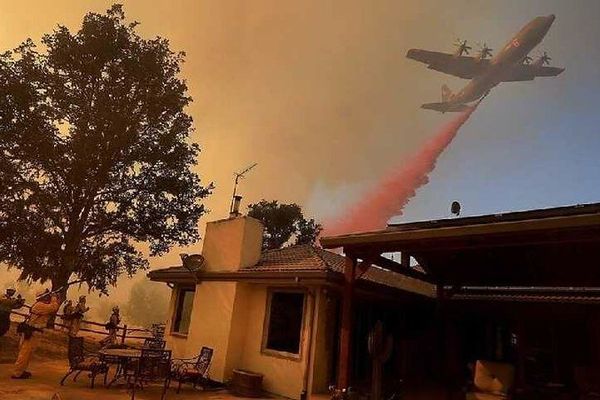
wildfire retardants being sprayed by plane

New evidence links heavy metal pollution with wildfire retardants

“The chemical black box” that blankets wildfire-impacted areas is increasingly under scrutiny.

Stay informed: sign up for The Daily Climate newsletter
Top news on climate impacts, solutions, politics, drivers. Delivered to your inbox week days.