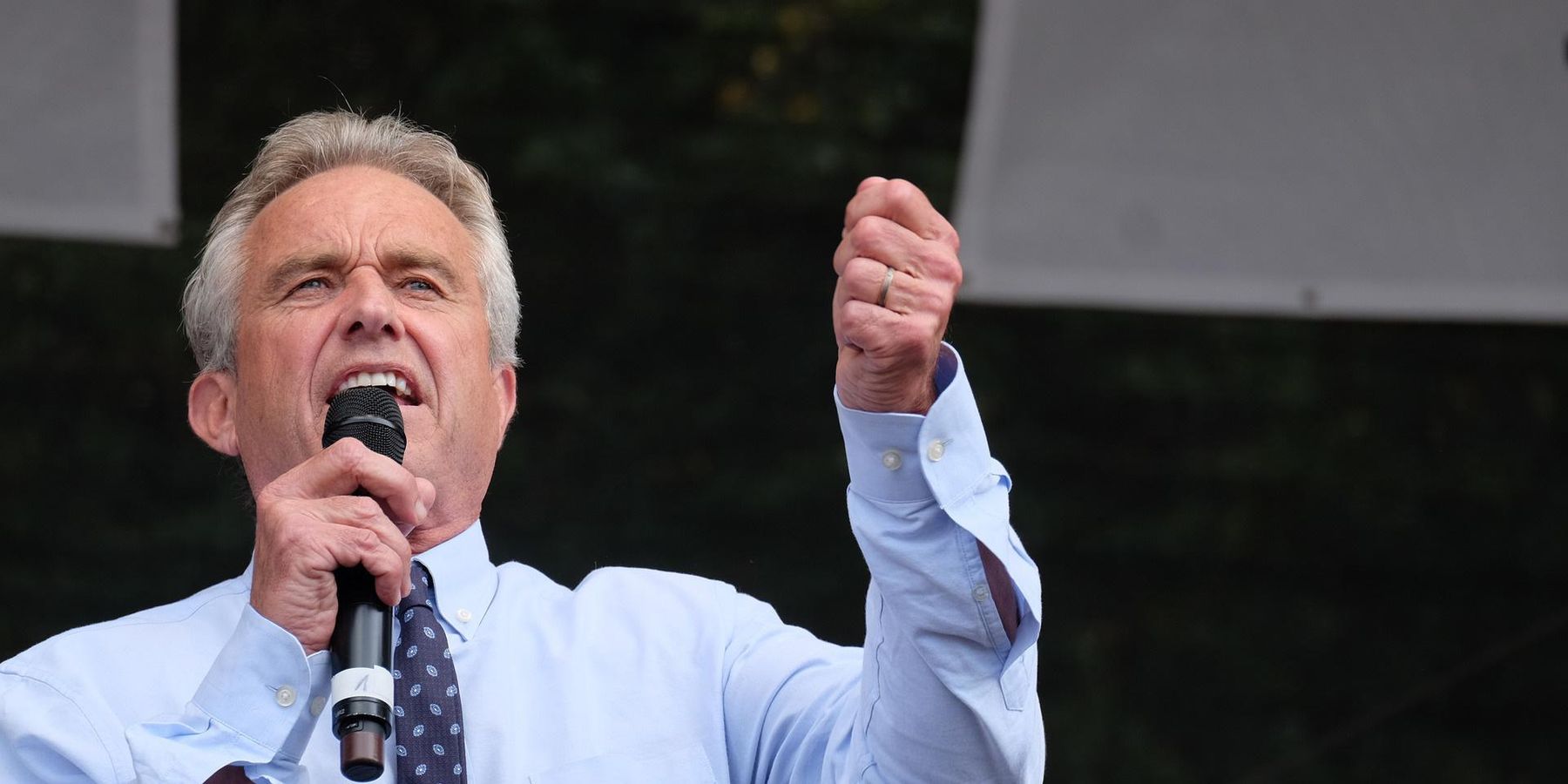
Robert F. Kennedy, Jr. was 14 when his father was murdered during the 1968 Presidential campaign. As a child of America’s most storied political dynasty of the 20th Century, he could not have avoided a high-profile life even if he wanted to.
RFK Jr. became a superstar environmental lawyer, first for New York City, then for the Natural Resources Defense Council (NRDC). He investigated and litigated cases for the Hudson Riverkeeper, helping to bring the local group to worldwide renown. Municipal landfills, industrial waste sites, and corporate giants like Exxon and General Electric soon found it much harder to pollute unchallenged. News organizations discovered a next-generation Kennedy.
Riverkeeper
In 1997, I produced a documentary on Bobby and The Riverkeeper, John Cronin, for Japan’s TV Asahi.
I spent a day with RFK Jr as he took water samples from an outfall that emptied into a drinking water reservoir in the New York suburbs. I was impressed by how he simultaneously kept his focus on the sample jars that carried the day’s mission, and the long, daunting tasks that awaited the environmental movement.
RFK Jr.'s divergent path
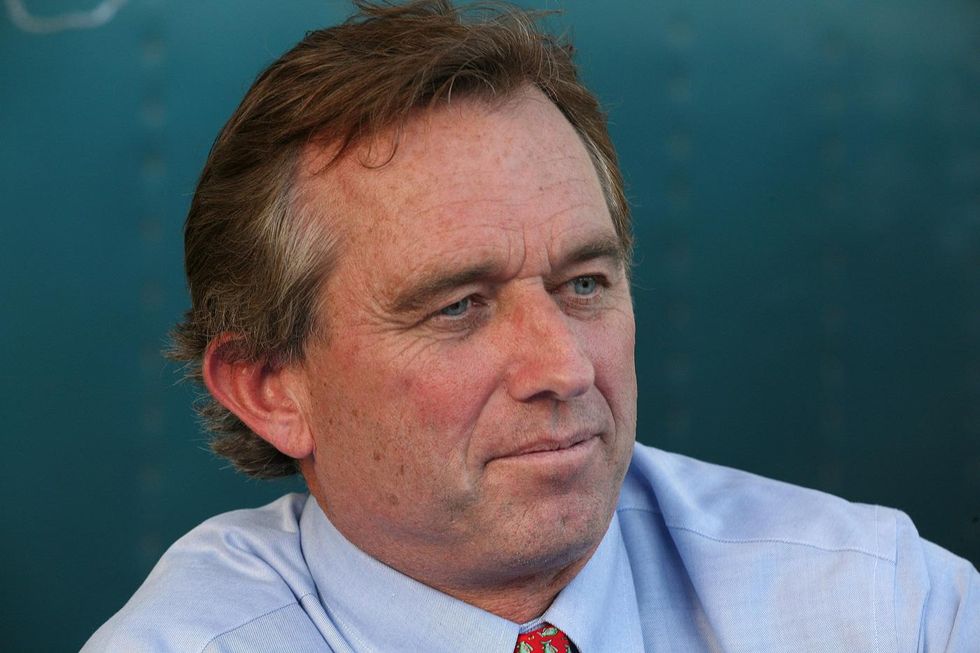
Daniel Schwen, via Wikimedia Commons
Around the year 2005, RFK Jr began to make two significant breaks with much of the mainstream environmental movement.
An ambitious proposal for a windfarm along Cape Cod’s South Shore divided some locals. Blue-collar fishermen joined some well-heeled sailors in opposing Cape Wind. They found an enthusiastic funder in Bill Koch, estranged brother of Charles and David Koch; and a dynamic mouthpiece in Bobby Kennedy.
RFK Jr said he was sticking up for the fishermen. Green colleagues, feeling betrayed, saw a cynical effort to preserve the view from the Kennedy family compound. After more than 16 tortuous back-and-forth years, Cape Wind’s backers threw in the towel.
Also in 2005, Bobby Kennedy lent his name to a cause whose roots in science denial would end up costing tens of thousands of lives. Concern over a potential link between vaccines and autism went viral (sorry) despite a thorough discrediting within the larger science community. RFK Jr’s more mainstream links began to vanish. By 2017, his name disappeared from the mastheads of NRDC, the Riverkeeper and Waterkeeper Alliance groups, the Pace University Environmental Law Clinic, and more.
Anti-vaxxer
His other legal work continued, including winning a whopping nine-figure judgement against Monsanto and its glyphosate herbicide in 2018.
These days, RFK Jr. is Counsel at Morgan & Morgan, which bills itself as the largest personal injury law firm in the U.S.
But last weekend, Bobby Kennedy took another big step into the rabbit hole: In describing how COVID vaccine advocates have conquered the world, he played the Hitler card:
RFK Jr. told an anti-vaxx rally at the Washington Monument that Anne Frank, the noted Holocaust victim, had it better than today’s employees facing a vaccine mandate.
'Reprehensible and insensitive'
RFK drew predictably strong criticism. His tweet also drew one of the harshest slap-downs in the brief-but-colorful history of Twitter: Kennedy’s wife, the actress Cheryl Hines, came after him like nobody’s business.
Hines ripped her hubby’s “reprehensible” remarks, for which he apologized.Progress, with baggage
(Major irony alert: Hines’s best-known TV role is that of Larry David’s wife in the angst-ridden hit comedy Curb Your Enthusiasm.)
And whatever baggage is attached to his anti-science quackery and bizarre Hitler-baiting, the world is now home to hundreds of River-, Bay-, Lake Keepers and more, thanks to RFK Jr and his colleagues.
So – Larry David joke scouts take note—we may just have to take our medicine on the curious case of Bobby Kennedy, Jr.Peter Dykstra is our weekend editor and columnist and can be reached at pdykstra@ehn.org or @pdykstra.
His views do not necessarily represent those of Environmental Health News, The Daily Climate, or publisher Environmental Health Sciences.
Banner photo credit of RFK Jr. courtesy Presse Online, via Pixabay.