Britain balancing oil decline and clean energy goals

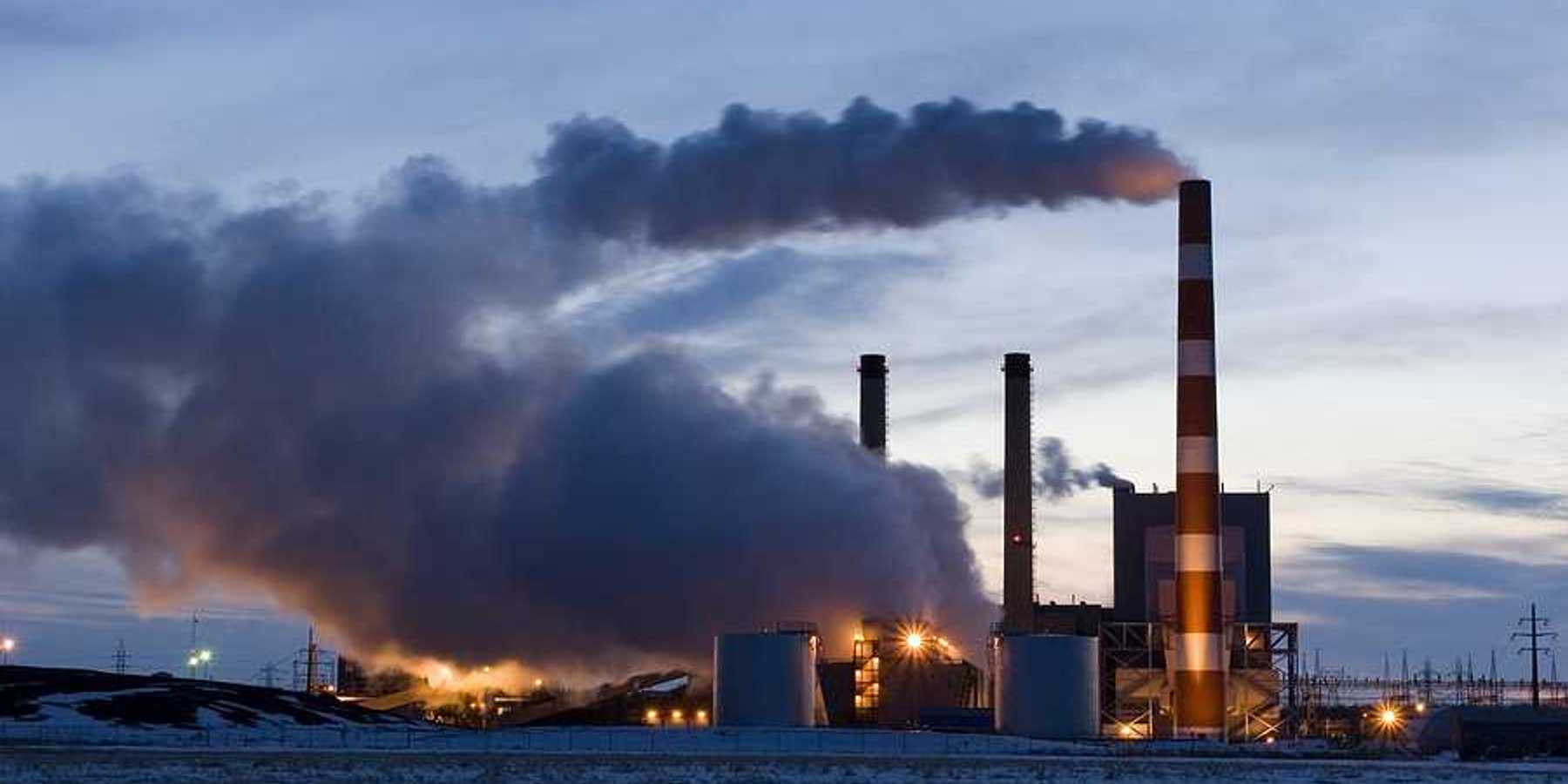
Britain’s shift to clean energy is complicated by falling oil production and the potential loss of 120,000 jobs tied to the North Sea's oil and gas industry.

Stanley Reed reports for The New York Times.


In short:

  • Britain’s oil production has fallen from 3 million barrels per day in the late 1990s to 715,000 barrels in 2023.
  • The government faces pressure to phase out oil while protecting jobs and maintaining energy security.
  • Investment in the North Sea has dropped from $27 billion in 2014 to $4.8 billion in 2024 due to tax policies and uncertainty.

Key quote:

“Who wants to take long-term investment decisions where we’re not sure whether or not we will be able to meet the environmental requirements, or that the fiscal regime will be suitable?”

— David Latin, chairman of Serica Energy

Why this matters:

Britain’s clean energy transition risks significant job losses in the oil and gas sector unless alternatives like offshore wind can ramp up quickly. Navigating this shift is essential to balancing economic stability with climate goals.

Related: The world sets new record for fossil fuel use in 2023

Petri dishes with meat in them

Why the future of meat production is in vats, not farms

A new book argues that "cultivated” and other alternative meats will increasingly challenge traditional ways of raising livestock.
A reservoir viewed from above with dry shores

Western U.S. cities open wallets in quest for water

Supply declines, drought risk, and population growth are pushing cities to seek new water sources.

Yellow plastic bag with fruit in it

Biodegradable plastic isn't a climate solution on its own

A new global life-cycle analysis finds that if not properly disposed of, biodegradable plastics could increase methane emissions and plastic accumulation.
An anesthesiologist placing a cup on a patient's mouth

Cutting the climate impact of anesthetic gases across Loma Linda University Health

Hospital systems are reducing greenhouse gas emissions, improving operational efficiency, and strengthening our commitment to environmental stewardship.

Doctors discussing chest xrays

How letting radiologists work remotely can help save the planet

Teleradiology can drastically reduce greenhouse gas emissions, at roughly 63% when compared to if all impacted individuals needed to travel into work every day, one academic institution estimates.  
Offshore wind turbines with a fishing boat and birds flying in the foreground.

Judge hands Trump a fifth loss in his effort to halt offshore wind projects

The court ruled that construction can restart on a wind farm off the coast of New York State. The Trump administration had ordered work to stop in December.
The White House illuminated at night.

Trump unveils $12B mineral stockpile amid US-China race

The White House announced “Project Vault” as officials from at least 40 countries head to Washington to discuss a minerals market to counter Beijing.
From our Newsroom
Multiple Houston-area oil and gas facilities that have violated pollution laws are seeking permit renewals

Multiple Houston-area oil and gas facilities that have violated pollution laws are seeking permit renewals

One facility has emitted cancer-causing chemicals into waterways at levels up to 520% higher than legal limits.

Regulators are underestimating health impacts from air pollution: Study

Regulators are underestimating health impacts from air pollution: Study

"The reality is, we are not exposed to one chemical at a time.”

Pennsylvania governor Josh Shapiro speaks with the state flag and American flag behind him.

Two years into his term, has Gov. Shapiro kept his promises to regulate Pennsylvania’s fracking industry?

A new report assesses the administration’s progress and makes new recommendations

silhouette of people holding hands by a lake at sunset

An open letter from EPA staff to the American public

“We cannot stand by and allow this to happen. We need to hold this administration accountable.”

wildfire retardants being sprayed by plane

New evidence links heavy metal pollution with wildfire retardants

“The chemical black box” that blankets wildfire-impacted areas is increasingly under scrutiny.

Stay informed: sign up for The Daily Climate newsletter
Top news on climate impacts, solutions, politics, drivers. Delivered to your inbox week days.