British Columbia election could determine future of wildlife conservation

Nearly 2,000 at-risk species in British Columbia face habitat threats from logging, urban development, and other industries, making the upcoming provincial election a critical moment for conservation efforts.

Ainslie Cruickshank reports for The Narwhal.


In short:

  • The BC NDP has backed off earlier promises for stand-alone endangered species legislation, but pledges to develop a strategy with First Nations to protect biodiversity.
  • The BC Greens are the only party committed to immediate legislation for species at risk and propose halting clearcutting.
  • The BC Conservatives focus on boosting forestry but lack clear plans to protect wildlife, potentially jeopardizing biodiversity.

Key quote:

“I can’t disagree with some of the ideas in there — that you need, for example, a whole-of- government approach for addressing biodiversity.”

— Chris Johnson, a professor of landscape conservation and management at the University of Northern British Columbia

Why this matters:

British Columbia's rich biodiversity is under severe pressure from human activity. Without strong policies, at-risk species may disappear, compromising ecosystem stability and long-term environmental health.

Read more: British Columbia's election may shift climate and Indigenous policies
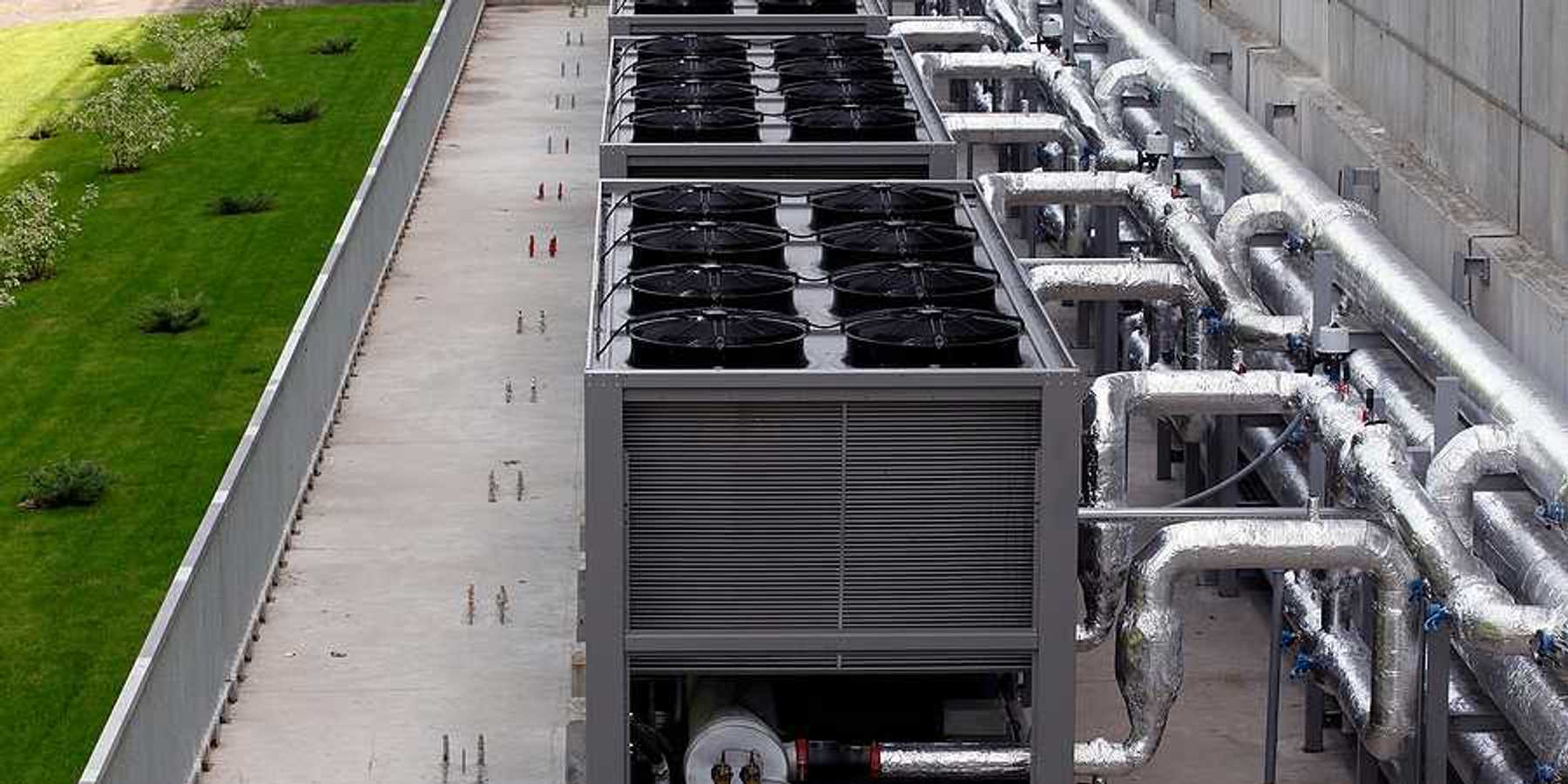
A row of air conditioning units outside a warehouse building

How data center growth impacts Ireland's climate targets

Data centers in Ireland were responsible for more than 1.7 million tons of carbon dioxide emissions in 2025, an analysis by RTÉ Investigates has found.

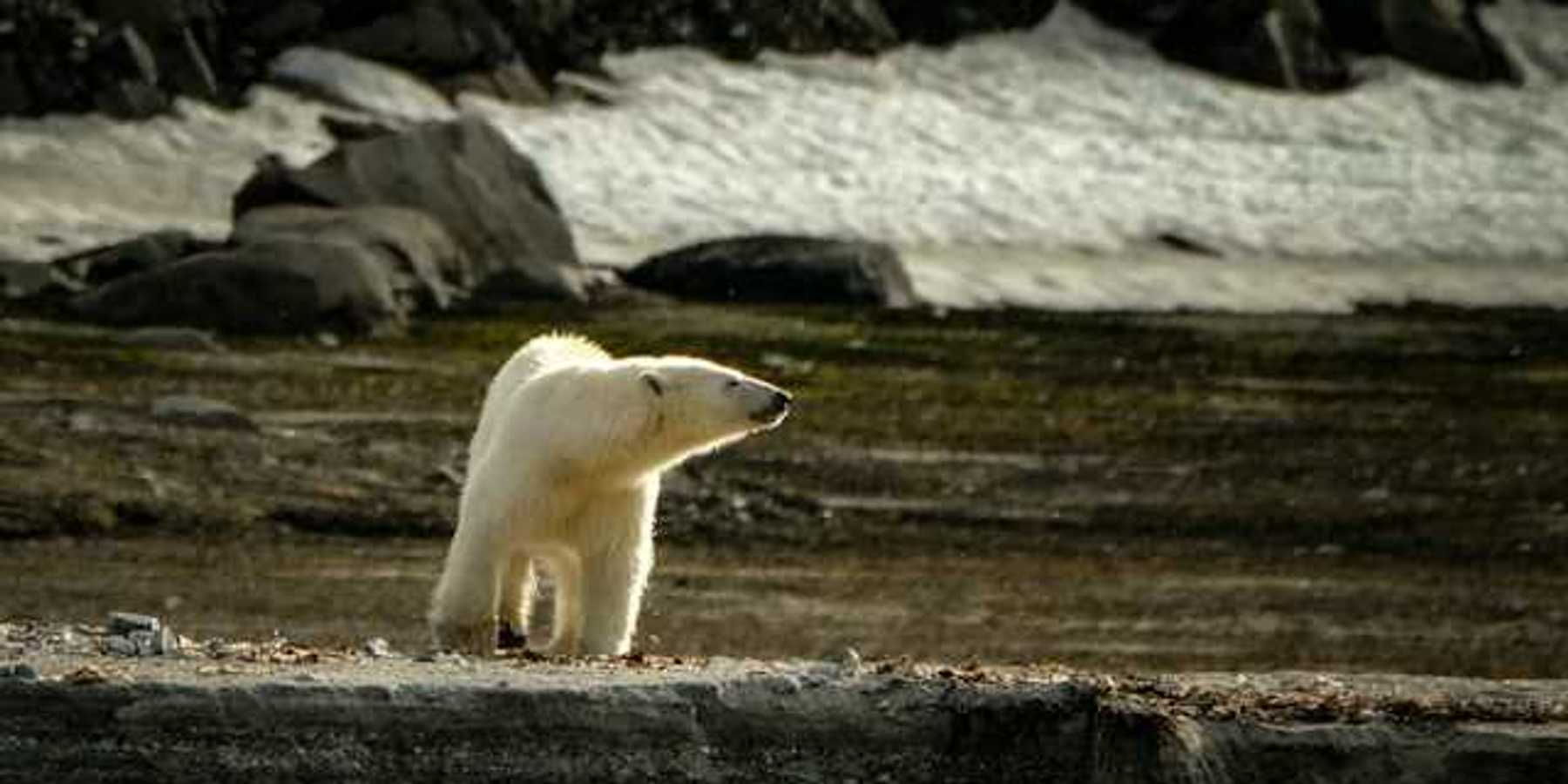
A polar bear standing on a dirty rock with a little bit of snow in the distance

What happens when winter is no longer cold?

As climate change delays the formation of Arctic sea ice, polar bears are spending more time on land, increasingly coming into contact with humans.

An illustration of a clear plastic hand shaking hands with a green hand covered in vegetation

Nature resilience: the overshadowed sibling of climate action

In this episode of The Great Simplification podcast, ecosystem scientist Yadvinder Malhi explores what it takes to move from documenting ecological decline to actively helping nature recover.

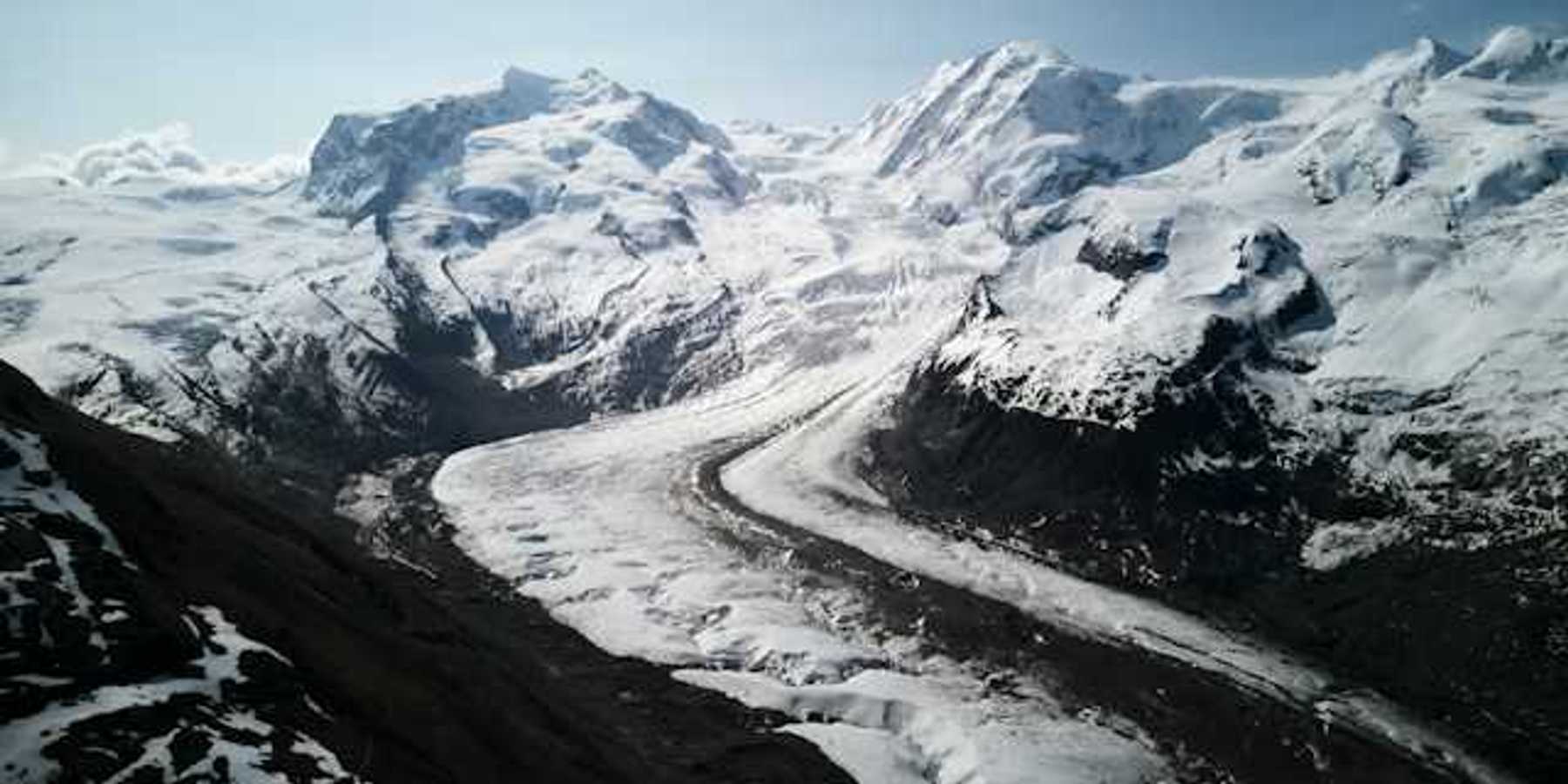
A glacier with snowy mountains in the distance

Interview: Will my glacier go extinct?

The findings are bleak: even under the best-case scenario, “we will lose half of the glaciers on Earth,” says map developer Lander Van Tricht.

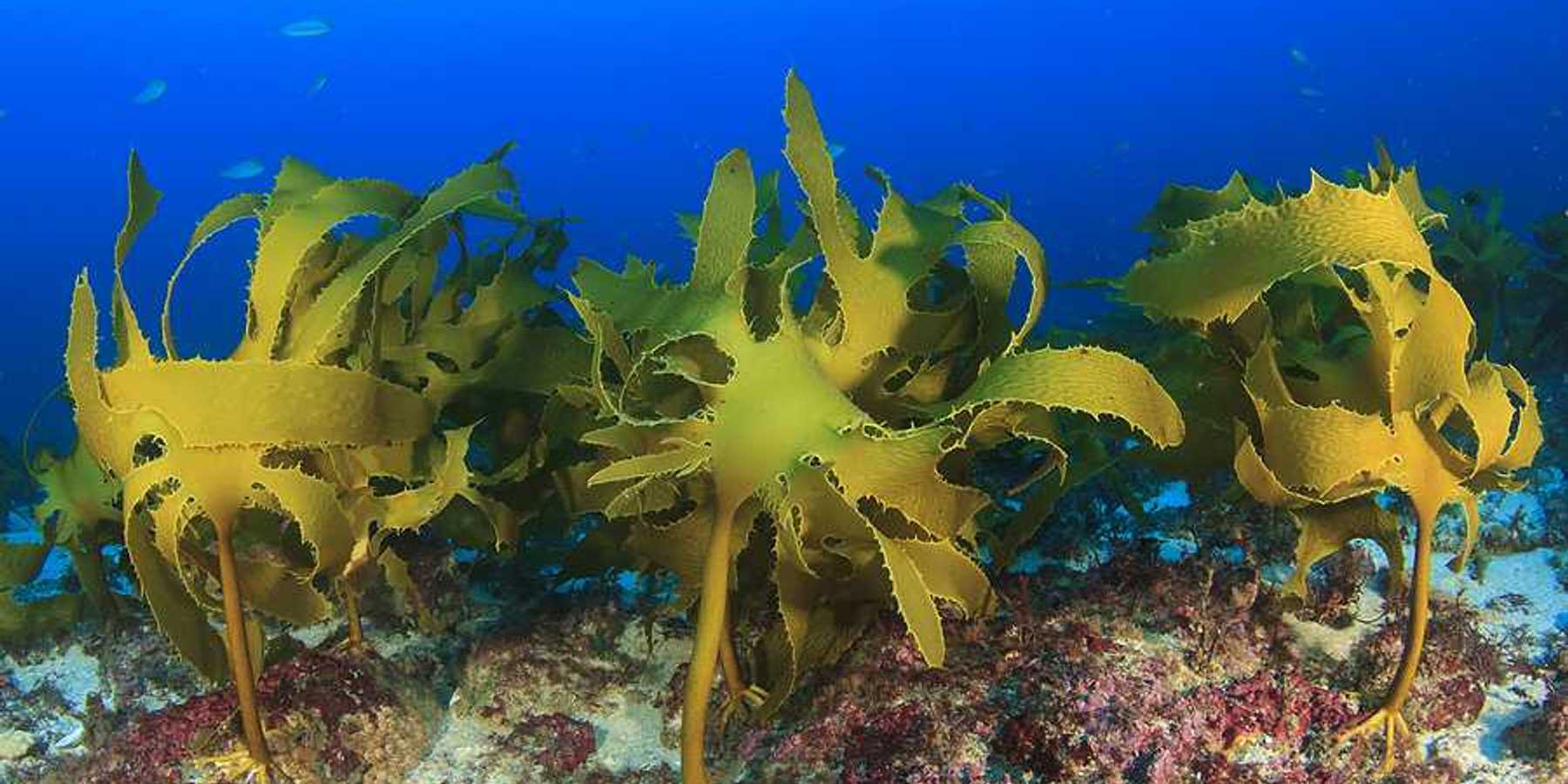
Kelp growing on the sea floor

Living on Earth: Kelp ‘forests of the sea’

Kelp forests are among the most productive ecosystems on the planet and produce as much oxygen as all Earth’s rainforests – so you could say they’re the Amazon of the ocean.

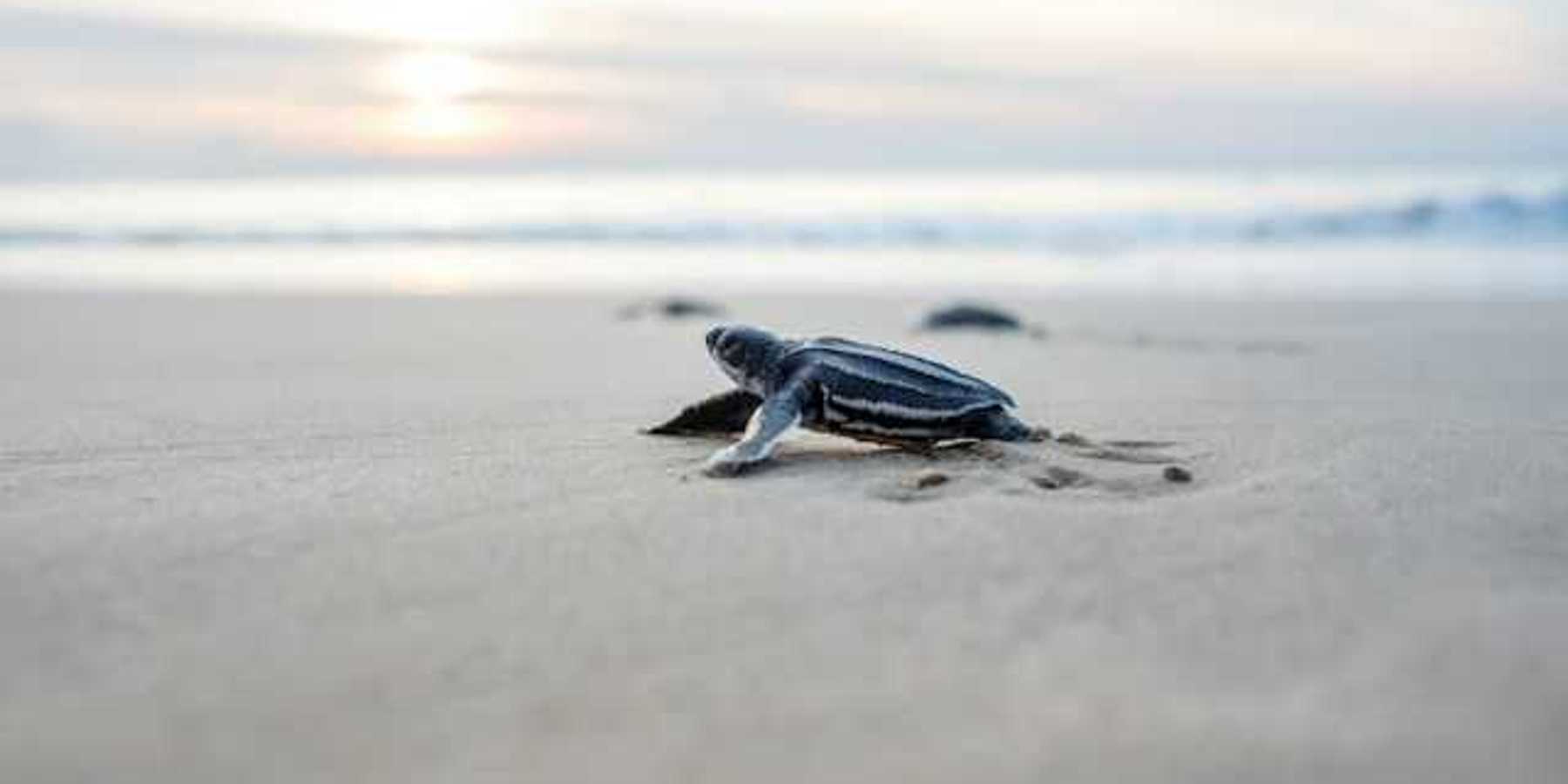
A baby turtle traversing the beach on its way to the sea

What’s bringing tropical sea turtle nests north?

This year, olive ridley sea turtles laid eggs on both U.S. coasts for the first time on record. The obvious explanation is a warming ocean, but the scientists who study them aren’t so sure.
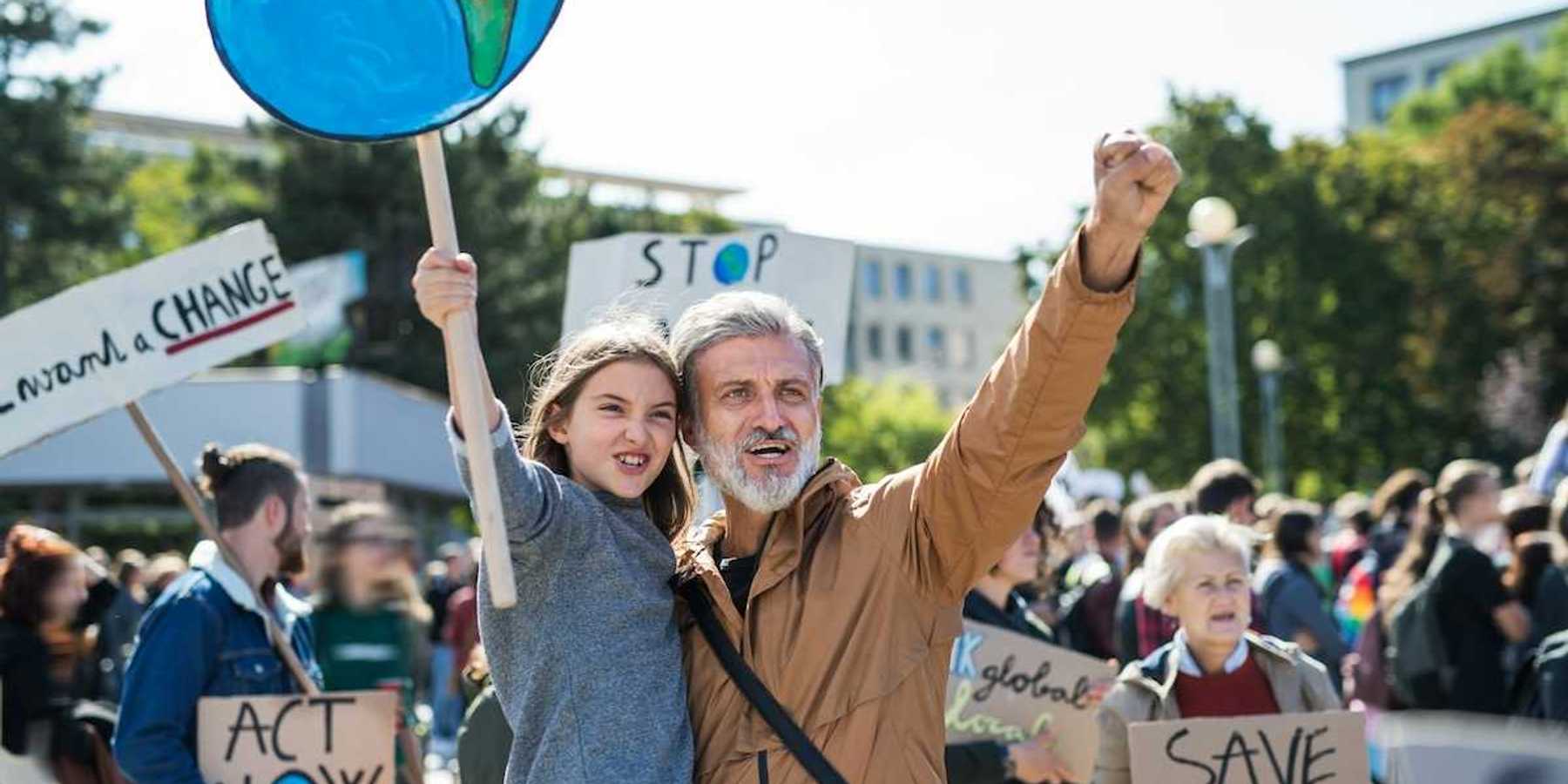
Man with raised fist holding a young girl at a climate demonstration

Watch: Bill McKibben: 2027 may be the year Americans turn on fossil fuels

Kai Wright speaks to the environmentalist and author Bill McKibben about what he thinks must be done to slow the rapid advances of global heating.

From our Newsroom
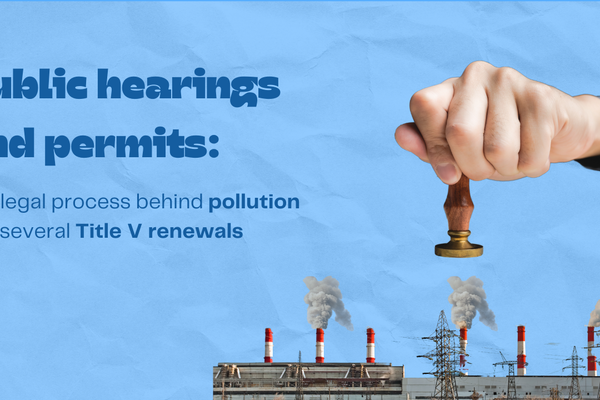
Multiple Houston-area oil and gas facilities that have violated pollution laws are seeking permit renewals

Multiple Houston-area oil and gas facilities that have violated pollution laws are seeking permit renewals

One facility has emitted cancer-causing chemicals into waterways at levels up to 520% higher than legal limits.

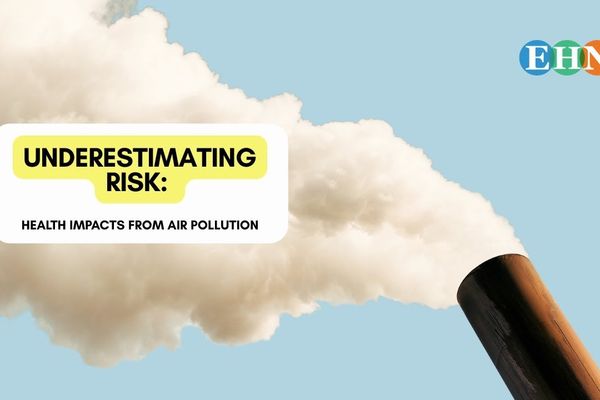
Regulators are underestimating health impacts from air pollution: Study

Regulators are underestimating health impacts from air pollution: Study

"The reality is, we are not exposed to one chemical at a time.”

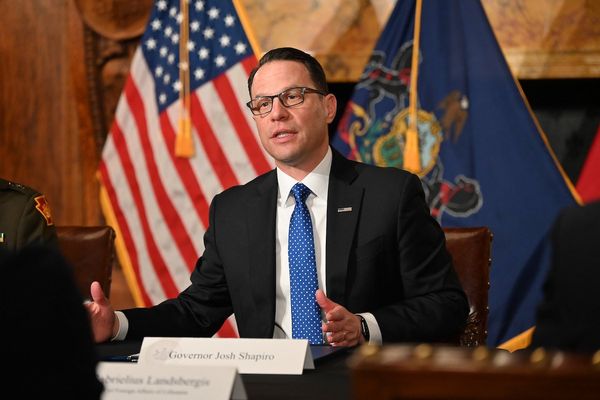
Pennsylvania governor Josh Shapiro speaks with the state flag and American flag behind him.

Two years into his term, has Gov. Shapiro kept his promises to regulate Pennsylvania’s fracking industry?

A new report assesses the administration’s progress and makes new recommendations

silhouette of people holding hands by a lake at sunset

An open letter from EPA staff to the American public

“We cannot stand by and allow this to happen. We need to hold this administration accountable.”

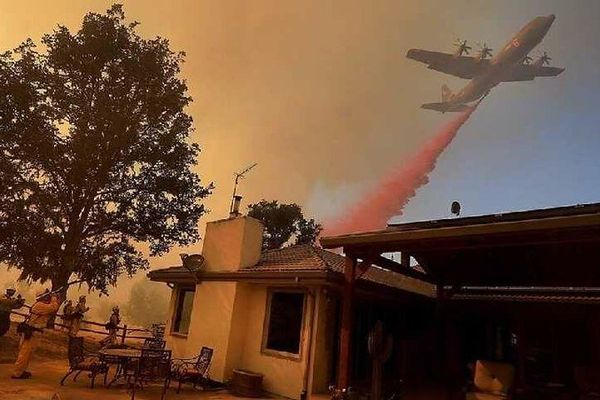
wildfire retardants being sprayed by plane

New evidence links heavy metal pollution with wildfire retardants

“The chemical black box” that blankets wildfire-impacted areas is increasingly under scrutiny.

Stay informed: sign up for The Daily Climate newsletter
Top news on climate impacts, solutions, politics, drivers. Delivered to your inbox week days.