California reduces safety inspections as farmworkers face worsening heat

California has reduced enforcement of outdoor heat protection laws even as farmworkers endure increasingly extreme temperatures, with inspections by Cal/OSHA dropping nearly 30% since 2017.

Robert J. Lopez reports for Capital & Main.


In short:

  • From 2017 to 2023, Cal/OSHA inspections for outdoor heat safety decreased by almost 30%, with violations issued to employers falling by over 40%.
  • Farmworkers report frequent violations of safety laws, including lack of shade and water, amid ongoing agency staffing shortages.
  • California lawmakers are considering legislation to strengthen enforcement and ensure compensation for heat-related injuries.

Key quote:

“We just need Cal/OSHA to be out there more often and do more inspections that hopefully will save farmworker lives.”

— Ephraim Camacho, community worker for California Rural Legal Assistance

Why this matters:

As climate change drives temperatures higher, vulnerable outdoor workers face increased health risks, and weakened enforcement of heat protection laws puts their lives in greater danger.

Related EHN coverage:

A series of raised huts along the oceanfront in the Solomon Islands

On the brink of ruin due to climate change, Pacific Islanders know who is to blame

Living on the brutal frontline of climate change, Pacific Islanders are urging the world to take urgent action at the upcoming COP31 summit in Antalya - warning that the consequences otherwise will be catastrophic.

A yellow and black sign with images of a sasquatch family crossing the street

Bigfoot is helping predict impacts of climate change

Believe it or not, researchers are using Sasquatch data to better understand how well their methods for studying scientifically recognized species are working.

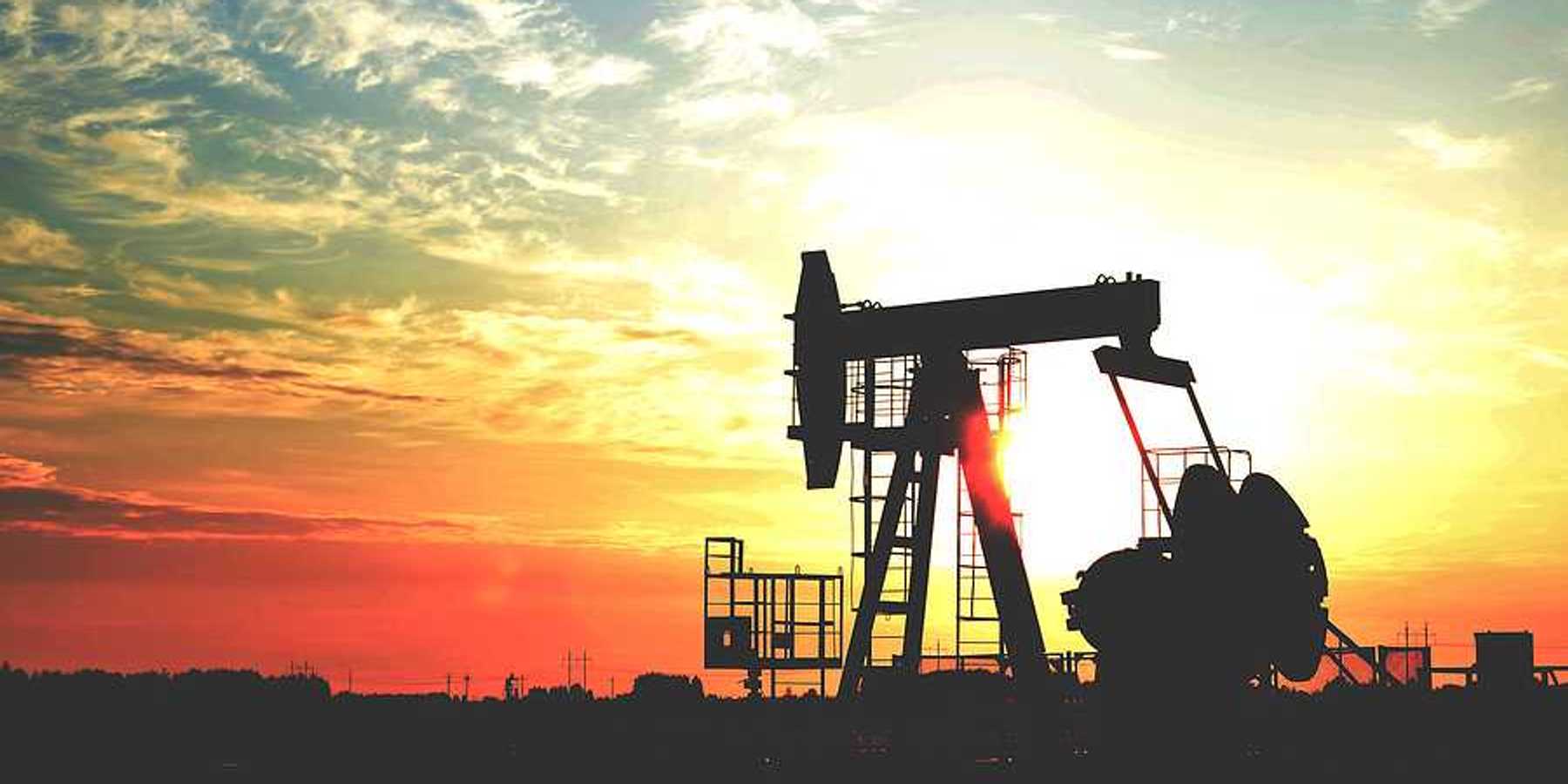
A pump jack silhouetted against a setting sun

Where the candidates for New Mexico governor stand on oil and gas

Deb Haaland and Gregg Hull never debated face to face, but when it comes to oilfield enforcement and climate goals, there are clear differences.

Child with a hamburger on his bicep as he looks at his arm

What’s the fairest way to put a carbon tax on a hamburger?

A global tax on food emissions, mostly from meat and dairy, could cut them by 17 percent. Charging rich nations up to $969 per ton of CO2, and poor ones as little as $21, would protect the hungry.
A man sitting on the grass eating a fast food meal

The planet’s vital signs are getting worse. One of the easiest fixes is your diet

A lot of climate change is beyond the control of individuals alone, but how you eat can matter more than you may think.
A view of the ocean with mountains in the distance and palm trees in the forefront

'Why would we want to leave?': Fiji islanders work on climate resilience to avoid relocation

Residents of Fiji's tiny Serua Island have rejected calls to relocate, instead opting to renovate flimsy coastal homes.
Rendering of a molecule with many atoms in hexagram formations

How a U.N. report legitimized carbon capture and skewed decades of climate policy

A U.N. report concluded carbon capture could offset fossil fuels’ effect on climate change. Two decades later, the process has failed to meaningfully scale up, and it’s proving hard to take the promises back.
From our Newsroom
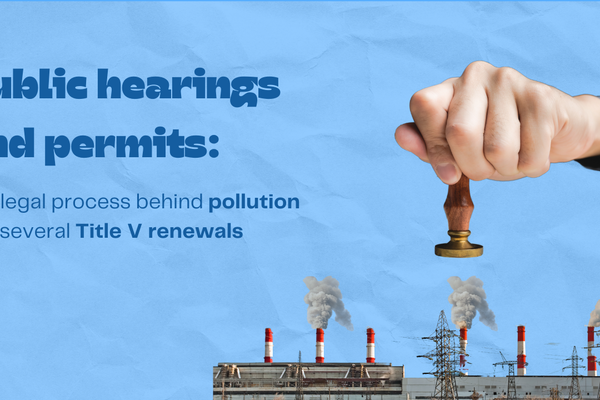
Multiple Houston-area oil and gas facilities that have violated pollution laws are seeking permit renewals

Multiple Houston-area oil and gas facilities that have violated pollution laws are seeking permit renewals

One facility has emitted cancer-causing chemicals into waterways at levels up to 520% higher than legal limits.

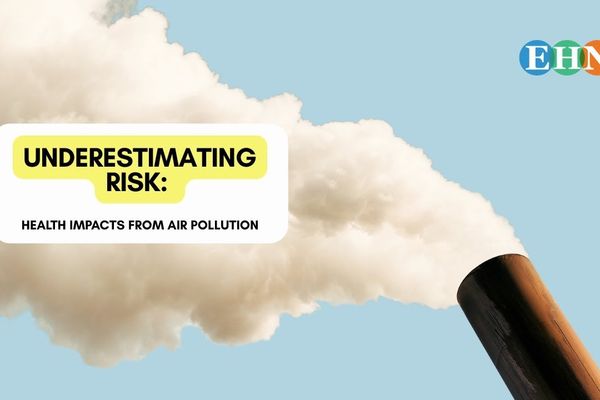
Regulators are underestimating health impacts from air pollution: Study

Regulators are underestimating health impacts from air pollution: Study

"The reality is, we are not exposed to one chemical at a time.”

Pennsylvania governor Josh Shapiro speaks with the state flag and American flag behind him.

Two years into his term, has Gov. Shapiro kept his promises to regulate Pennsylvania’s fracking industry?

A new report assesses the administration’s progress and makes new recommendations

silhouette of people holding hands by a lake at sunset

An open letter from EPA staff to the American public

“We cannot stand by and allow this to happen. We need to hold this administration accountable.”

wildfire retardants being sprayed by plane

New evidence links heavy metal pollution with wildfire retardants

“The chemical black box” that blankets wildfire-impacted areas is increasingly under scrutiny.

Stay informed: sign up for The Daily Climate newsletter
Top news on climate impacts, solutions, politics, drivers. Delivered to your inbox week days.