Canada's oil sands emit more air pollutants than previously reported

A new study reveals that Canada's tar sands operations emit air pollutants at levels significantly higher than previously estimated, posing a serious environmental and health concern.

Nicholas Kusnetz reports for Inside Climate News.


In short:

  • The study, published in Science, used aircraft measurements to find organic carbon emissions from Canada's tar sands are 20 to 64 times higher than reported by companies.
  • These emissions include compounds contributing to hazardous air pollution and particulate matter that can travel long distances, affecting air quality far beyond the immediate area.
  • The findings highlight a critical underestimation of pollution levels, raising concerns about the health impacts on local and distant communities.

Key quote:

"The absolute magnitude of those emissions were a lot higher than what we expected."

— John Liggio, research scientist, Environment and Climate Change Canada

Why this matters:

This revelation underscores the often-underestimated environmental impact of oil sands operations, directly affecting air quality and health outcomes. It also raises significant questions about current regulatory practices and the need for more accurate pollution monitoring, resonating with broader environmental and health concerns on a national scale.

Be sure to read about the Native tribes, hell-raisers and lawyers who have combined to battle pipeline projects.


A prairie farm field with a tractor

Can climate change help farmers on the Prairies?

A changing climate, and prolonged drought in many regions, has had a surprising impact for some farmers: better yields.

Two African women walking away from Lake Victoria with buckets on their heads

Kenyan women defy fishing taboos as climate change threatens Lake Victoria

In a lakeside village in Kenya's Kisumu County, women were forbidden from fishing, until Rhoda Ongoche Akech defied the stigma.

A closeup view of the top of a wind turbine

Can renewables withstand our worsening climate?

Renewables have been touted as the silver bullet to tackling climate change, but can they withstand our warming planet?
A burned landscape with blackened soil

Wildfires make soil poisonous

New research shows that intense wildfires can transform naturally occurring chromium in soil into a carcinogenic form that lingers in air and groundwater for years.

The front steps of the Supreme Court of the US

Leaked memos show Supreme Court ignored climate dangers in Obama regs fight

Conservative justices focused on industry costs when blocking the Clean Power Plan, the first climate rule proposed for the power sector.
China renewable energy, wind and solar energy concept. Chinese flag with wind turbines and solar panels.
Credit: Anton_Medvedev/BigStock Photo ID: 431444246

Escape route from Iran energy shock leads to China, US allies find

Countries are navigating between the desire to speed up the green transition and worries over Beijing’s clean-tech dominance.
Aerial view of Colorado River and Glen Canyon Dam

US Interior Department unveils emergency plans for Colorado River

The Trump administration will pull its emergency levers to head off a major water and power crisis.
From our Newsroom
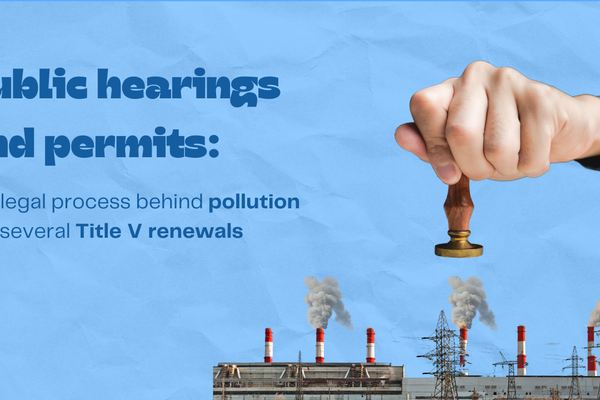
Multiple Houston-area oil and gas facilities that have violated pollution laws are seeking permit renewals

Multiple Houston-area oil and gas facilities that have violated pollution laws are seeking permit renewals

One facility has emitted cancer-causing chemicals into waterways at levels up to 520% higher than legal limits.

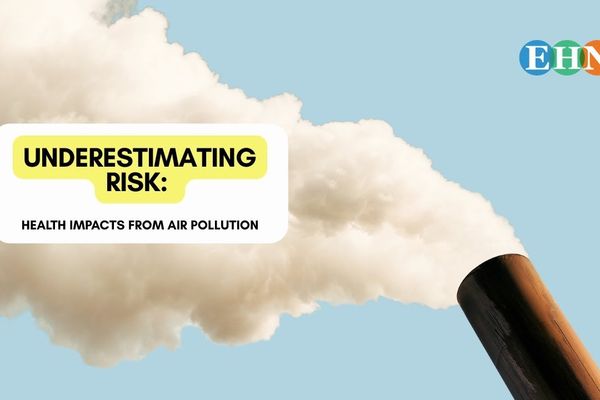
Regulators are underestimating health impacts from air pollution: Study

Regulators are underestimating health impacts from air pollution: Study

"The reality is, we are not exposed to one chemical at a time.”

Pennsylvania governor Josh Shapiro speaks with the state flag and American flag behind him.

Two years into his term, has Gov. Shapiro kept his promises to regulate Pennsylvania’s fracking industry?

A new report assesses the administration’s progress and makes new recommendations

silhouette of people holding hands by a lake at sunset

An open letter from EPA staff to the American public

“We cannot stand by and allow this to happen. We need to hold this administration accountable.”

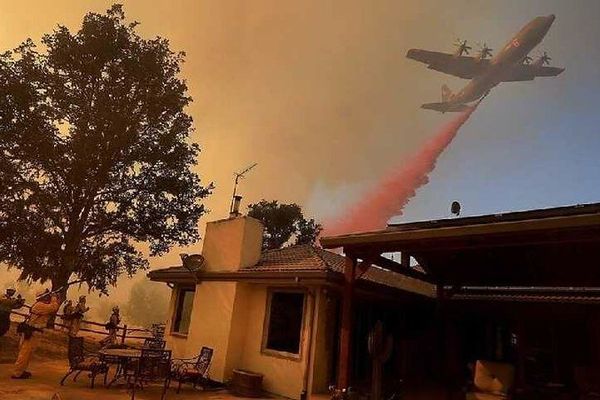
wildfire retardants being sprayed by plane

New evidence links heavy metal pollution with wildfire retardants

“The chemical black box” that blankets wildfire-impacted areas is increasingly under scrutiny.

Stay informed: sign up for The Daily Climate newsletter
Top news on climate impacts, solutions, politics, drivers. Delivered to your inbox week days.