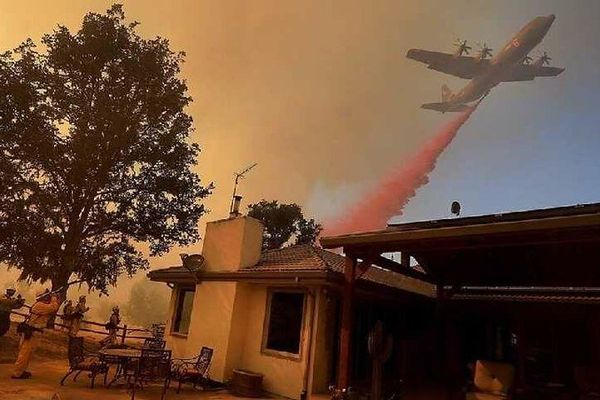
Canadian wildfire smoke creates severe air pollution in New Jersey

A Rutgers study reveals that wildfire smoke from Canada in 2023 caused dangerous air pollution in New Jersey, particularly impacting vulnerable communities.

Lilo H. Stainton reports for NJ Spotlight News.


In short:

  • Rutgers researchers found that wildfire smoke caused hazardous air quality in New Jersey on June 7, 2023.
  • Vulnerable communities, particularly those lacking air conditioning, were at heightened risk from the pollution.
  • The study suggests ongoing concerns due to the unique chemical composition of the smoke particles.

Key quote:

“We’re worried we don’t know enough about the composition [of these particles] to understand the full implications.”

— José Guillermo Cedeño Laurent, director of Rutgers CARE Lab

Why this matters:

Wildfire smoke poses a growing health threat as climate change increases the frequency and intensity of fires. The chemical composition of the smoke particles could have long-term health impacts, especially for those in disadvantaged communities.

Related EHN coverage:
A view of the Michigan statehouse in Lansing, Michigan

After the blue wave, climate policy flows to the statehouses

With new majorities across the board — from D.C. to the state capitals — Democrats could reshape the nation’s energy and environmental goals.
A view of a wind turbine against a blue sky

A lightning-fast fix for wind power’s trash problem

A half-second jolt of electricity turns blade waste into silicon carbide and graphene, which make new blades stronger and cut emissions by up to 92% compared with today’s recycling.
A view from below of the columns of the Supreme Court

Trump urges justices to let EPA cancel billions in Biden-era climate grants

The Trump administration is appealing to the Supreme Court in its push to cut $16 billion in grants for a climate program.
A view of an oil drilling pump jack against a sunset

Even the 'good guys' of AI are locking in fossil fuels

Anthropic claims to be developing AI safely. So why doesn’t its own impact on climate change make the cut?
An aerial view of a warehouse size building under construction

Oregon has more hyperscale data centers than all but one U.S. state, study finds

Oregon is also home to the second largest concentration of energy demand from the industry’s largest server farms.
Aerial view of a wind farm in the country

Opinion: the US missed its climate summit but remains in the energy race

Former U.S. Rep. Bob Inglis argues that the United States should lead the push for global electrification and sustainable AI infrastructure through investments in clean energy, etc.

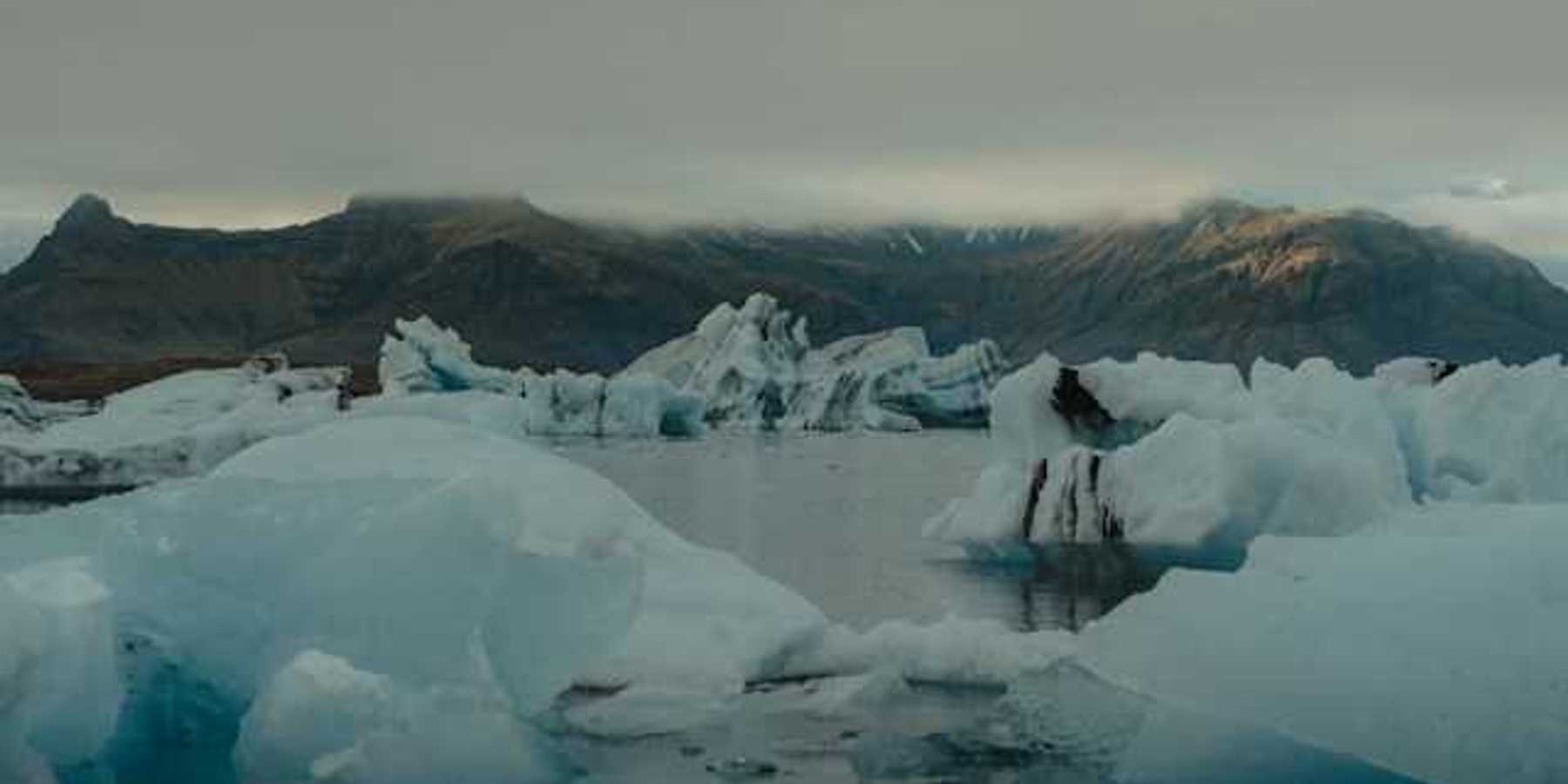
A body of water with ice and melted glaciers, with mountains in the distance

‘Shocking’ signs of climate change add urgency to COP31 talks

From the Arctic to the tropics, unusual weather and extreme heat is sparking worry about how quickly humans are reshaping the Earth’s natural processes.
From our Newsroom
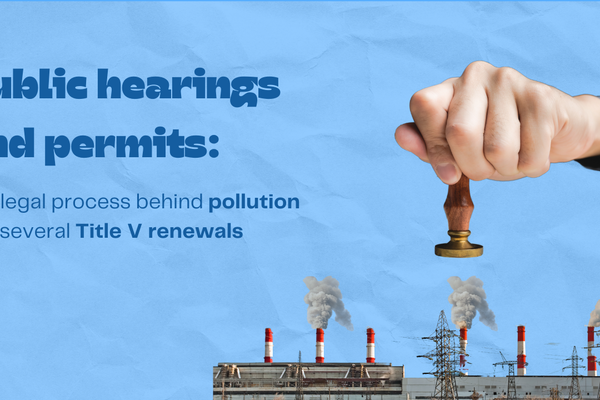
Multiple Houston-area oil and gas facilities that have violated pollution laws are seeking permit renewals

Multiple Houston-area oil and gas facilities that have violated pollution laws are seeking permit renewals

One facility has emitted cancer-causing chemicals into waterways at levels up to 520% higher than legal limits.

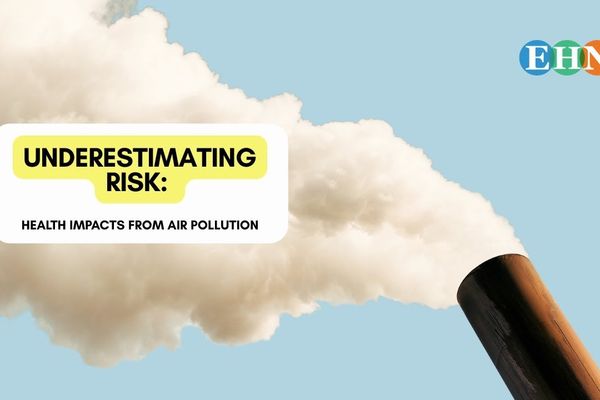
Regulators are underestimating health impacts from air pollution: Study

Regulators are underestimating health impacts from air pollution: Study

"The reality is, we are not exposed to one chemical at a time.”

Pennsylvania governor Josh Shapiro speaks with the state flag and American flag behind him.

Two years into his term, has Gov. Shapiro kept his promises to regulate Pennsylvania’s fracking industry?

A new report assesses the administration’s progress and makes new recommendations

silhouette of people holding hands by a lake at sunset

An open letter from EPA staff to the American public

“We cannot stand by and allow this to happen. We need to hold this administration accountable.”

wildfire retardants being sprayed by plane

New evidence links heavy metal pollution with wildfire retardants

“The chemical black box” that blankets wildfire-impacted areas is increasingly under scrutiny.

Stay informed: sign up for The Daily Climate newsletter
Top news on climate impacts, solutions, politics, drivers. Delivered to your inbox week days.