Carbon capture technology faces cost and scale challenges

Climeworks’ carbon capture plant in Iceland removes CO2 from the air and stores it underground as stone, but critics question its efficiency due to high costs and limited capacity.

Adrienne Murray reports for BBC.


In short:

  • Climeworks' Mammoth plant in Iceland, the largest of its kind, captures 36,000 tons of CO2 annually by converting it into stone underground using DAC technology powered by geothermal energy.
  • The high cost of $1,000 per ton of CO2 and the plant’s energy needs raise concerns about the technology’s scalability and effectiveness compared to reducing emissions at the source.
  • Experts emphasize the need for a multi-pronged approach to climate change, as DAC alone cannot significantly offset the 40 billion tons of CO2 released annually.

Key quote:

“We release about 40 billion tonnes of carbon dioxide into the atmosphere every year, so this [DAC] won't make a dent in the big problem.”

— Dr. Edvard Júlíus Sólnes, University of Iceland

Why this matters:

As global CO2 emissions continue to rise, innovative solutions like direct air capture are being explored to mitigate climate change. However, the feasibility of scaling such technology while addressing its economic and energy demands remains uncertain.

Related:
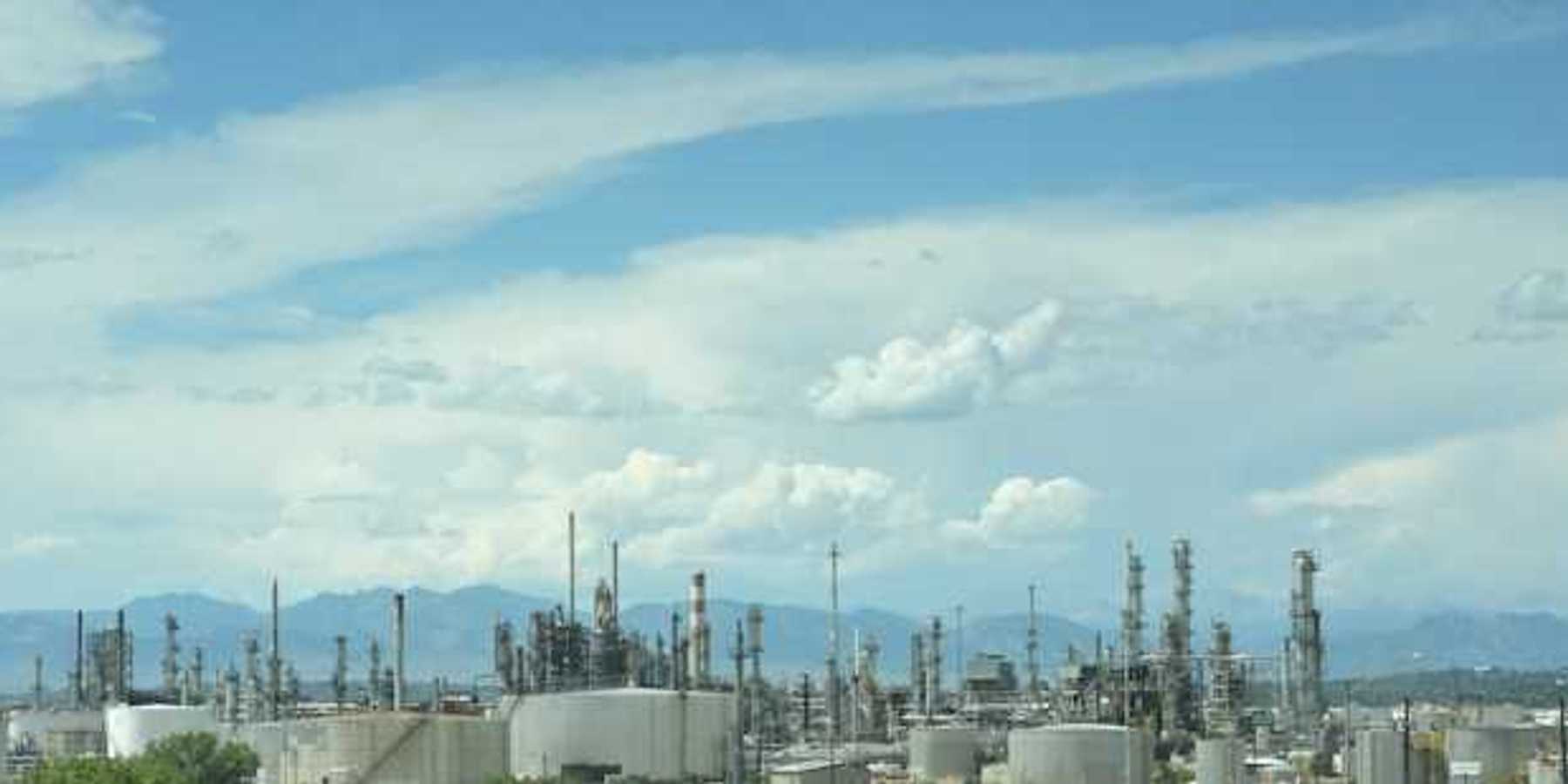
A large industrial area with smoke coming out of the stacks

After a decade of efforts to regulate methane, the Trump administration promises new rules

In both terms, Trump has rolled back or blocked attempts to reduce highly warming methane emissions from the oil and gas industry.
View of Texas capitol in Austin

Texas continued permitting data centers after Abbott’s pause, report finds

FracTracker and Public Citizen identified 35 permitting actions taken by regulators in Texas in the weeks after Gov. Greg Abbott ordered a moratorium.
A forest filled with tall trees

The overlapping plagues quietly devastating American forests

Trees are suffering one devastating epidemic after another, unleashed by insects and bacteria that enter the country because of global trade.
industrial power grid infrastructure

Pennsylvania study aims to identify power plant sites that can be reactivated

Funded with a $2 million federal grant, the program involves utility regulators and the nonprofit Team Pennsylvania.
A view of downtown Los Angeles, California with palm trees in the forefront

Latest climate report warns of major upheaval to California way of life

The dire projections come from the state’s Climate Change Assessment, which analyzes the impacts of changing weather patterns on the nation’s most-populous state.
An aerial view of a sandy beach and a cliff

A California town’s beaches are washing away. Can its residents turn the tide?

Rapid coastal erosion threatens coastal homes and economies, and as Super El Niño rounds the corner, a town is reckoning with the reality of climate crisis
A baker placing baked goods on a tray

How a Colorado bakery is using ancient grains to save water

As climate change brings hotter temperatures, worsening droughts and increasingly unreliable water supplies to the American West, Colorado farmers are turning to ancient grains and heirloom crops that require less water and can withstand harsh growing conditions.

From our Newsroom
Multiple Houston-area oil and gas facilities that have violated pollution laws are seeking permit renewals

Multiple Houston-area oil and gas facilities that have violated pollution laws are seeking permit renewals

One facility has emitted cancer-causing chemicals into waterways at levels up to 520% higher than legal limits.

Regulators are underestimating health impacts from air pollution: Study

Regulators are underestimating health impacts from air pollution: Study

"The reality is, we are not exposed to one chemical at a time.”

Pennsylvania governor Josh Shapiro speaks with the state flag and American flag behind him.

Two years into his term, has Gov. Shapiro kept his promises to regulate Pennsylvania’s fracking industry?

A new report assesses the administration’s progress and makes new recommendations

silhouette of people holding hands by a lake at sunset

An open letter from EPA staff to the American public

“We cannot stand by and allow this to happen. We need to hold this administration accountable.”

wildfire retardants being sprayed by plane

New evidence links heavy metal pollution with wildfire retardants

“The chemical black box” that blankets wildfire-impacted areas is increasingly under scrutiny.

Stay informed: sign up for The Daily Climate newsletter
Top news on climate impacts, solutions, politics, drivers. Delivered to your inbox week days.