Carbon removal project in Wyoming halted due to clean energy shortages

A major direct air capture project in Wyoming has been paused after its developers struggled to secure enough emissions-free power, raising concerns about the future of carbon removal technologies.

Corbin Hiar reports for E&E News.


In short:

  • Project Bison, aimed to remove 5 million tons of CO2 yearly by 2030, is on hold due to limited clean energy availability.
  • The rise of AI data centers and cryptocurrency operations has increased competition for renewable power in Wyoming.
  • Wyoming's governor remains committed to carbon removal, despite the project's relocation outside the state.

Key quote:

“We’ve seen growing competition for clean power amongst industries that are emerging much faster than anybody would have ever predicted.”

— Adrian Corless, CEO of CarbonCapture

Why this matters:

Direct air capture is seen as a vital tool to combat climate change, but the difficulties in finding sufficient clean energy for such projects signal potential obstacles to scaling these technologies. Without clean power, the carbon removal benefits are limited.

Read more: Bill Gates begins groundbreaking nuclear project in Wyoming
US President Donald Trump gesturing with pointing finger.
Credit: andykatz/ BigStock Photo ID: 103507385

Trump quits pivotal 1992 climate treaty, in massive hit to global warming effort

The U.N. Framework Convention on Climate Change underpins global efforts to address rising temperatures.
Boeing 757 jet airplane bearing the logo of Donald Trump takes off from Laguardia New York City
Photo credit: Copyright: icholakov/ BigStock Photo ID: 102723602

Trump’s shadow looms over EU aviation emissions plan

“God only knows what the Trump administration will do” if the EU expands its aviation emissions scheme, an EU official says.
A glacier calving into sea
Photo credit: Photo by Magdalena Kula Manchee on Unsplash

Opinion: We study glaciers. ‘Artificial glaciers’ and other tech may halt their total collapse

How might we prevent sea-level rise? Satellite-based radar, solar-powered drones, robot submarines and lab-based ‘artificial glaciers’ could all play a role.

Illustration depicting pumpjacks vs solar panels & wind turbines
Credit: MIRO3D/BigStock Photo ID: 147195269

How clean energy could save us trillions

As clean energy prices fall, a fast transition to renewable energy is the cheapest option on the table. Experts say it could save us trillions in energy costs alone.
Common Spider Crab (Libinia emarginata) during Woods Hole science lesson.
Photo credit: Copyright: Wyopics/ BigStock Photo ID: 474441923

The scientists making antacids for the sea to help counter global warming

The world’s oceans are becoming dangerously acidic. A controversial proposal would raise the pH — by mixing chemicals into the water.
Crude oil and petroleum concept. Pump jack, US dollar notes and Venezuela flag background
Photo credit: Copyright: MillaF/ BigStock Photo ID: 361719841

Oil industry will eye Venezuela warily, experts say

Given Venezuela’s murky political future, few analysts expect a rush to invest the billions needed to pump more oil from the world’s largest reserves.
U.S. Secretary of Energy Chris Wright speaking at the 2025 Conservative Political Action Conference (CPAC)
Credit: Gage Skidmore https://www.flickr.com/photos/gageskidmore/ Creative Commons https://creativecommons.org/licenses/by-sa/2.0/

Chris Wright: US will control Venezuelan oil ‘indefinitely’

White House press secretary Karoline Leavitt said that oil released from tankers off Venezuela’s coast would be arriving in the U.S. “very soon.”
From our Newsroom
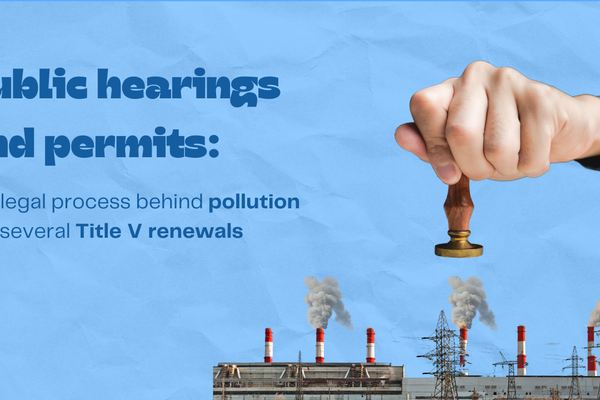
Multiple Houston-area oil and gas facilities that have violated pollution laws are seeking permit renewals

Multiple Houston-area oil and gas facilities that have violated pollution laws are seeking permit renewals

One facility has emitted cancer-causing chemicals into waterways at levels up to 520% higher than legal limits.

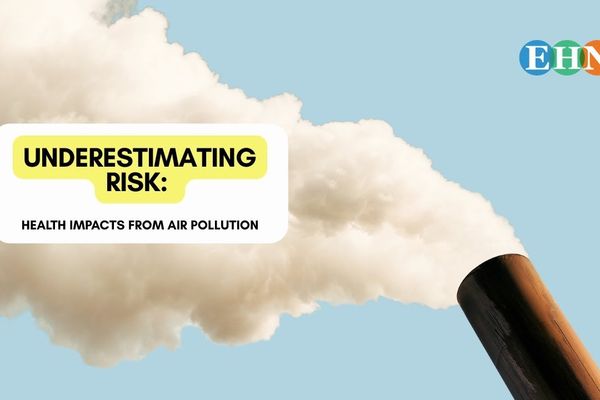
Regulators are underestimating health impacts from air pollution: Study

Regulators are underestimating health impacts from air pollution: Study

"The reality is, we are not exposed to one chemical at a time.”

Pennsylvania governor Josh Shapiro speaks with the state flag and American flag behind him.

Two years into his term, has Gov. Shapiro kept his promises to regulate Pennsylvania’s fracking industry?

A new report assesses the administration’s progress and makes new recommendations

silhouette of people holding hands by a lake at sunset

An open letter from EPA staff to the American public

“We cannot stand by and allow this to happen. We need to hold this administration accountable.”

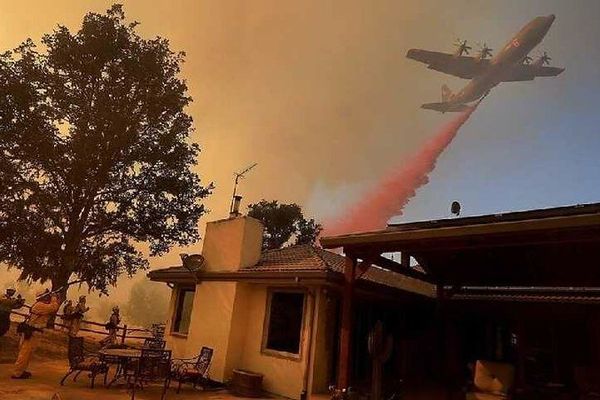
wildfire retardants being sprayed by plane

New evidence links heavy metal pollution with wildfire retardants

“The chemical black box” that blankets wildfire-impacted areas is increasingly under scrutiny.

Stay informed: sign up for The Daily Climate newsletter
Top news on climate impacts, solutions, politics, drivers. Delivered to your inbox week days.