Carbon sequestration faces resistance in rural America

A plan to capture and store carbon dioxide underground in Montana faces fierce local opposition, despite being backed by major oil companies and the Biden administration.

Evan Halper reports for The Washington Post.


In short:

  • The proposed project aims to store carbon emissions underground in Carter County, Montana, to combat climate change.
  • Local ranchers and residents fear the impact on the environment and community, citing a lack of desire to become a national "dumping ground."
  • Existing carbon capture projects face similar issues nationally, raising concerns about safety, environmental impacts, and technology effectiveness.

Key quote:

"They are presenting this as a climate solution and I don’t know that it is. The only thing I do know is that it is part of their plan to continue producing oil and gas."

— Liz Barbour, manager of Cinch Buckle Ranch

Why this matters:

Many local residents and environmental groups are raising concerns about the safety and long-term impacts of storing carbon underground. Fears of potential leaks, groundwater contamination, and seismic activity echo through community meetings and public forums. Critics argue that such projects allow fossil fuel companies to continue business as usual, prolonging reliance on oil and gas rather than transitioning to renewable energy sources.

 A simple model of an atom on a blue background
Copyright: StefanieSchubbert/ BigStock Photo ID: 124679117

Optimism about nuclear energy is rising again. Will it last?

Companies like Kairos Power are building new types of reactors with the encouragement of the Trump administration, but their success is far from assured.
President Donald Trump speaking into a microphone
Credit: Gage Skidmore/https://www.flickr.com/photos/gageskidmore/https://creativecommons.org/licenses/by-sa/4.0/

Trump taking ‘drill, baby, drill’ plan to Venezuela ‘terrible’ for climate, experts warn

‘Everybody loses’ if production is supercharged in a country with the largest known oil reserves, critics say.

Dense seagrass meadow of Neptune grass

Change in Chesapeake’s grass beds means less ‘fish food’

A transformation in the seagrass meadows hidden under the surface of the Chesapeake Bay may have huge implications for fish and crabs living in the estuary.
A person wearing blue gloves soldering wire onto a lithium-ion battery
Credit: Fahroni/Big Stock Photo

Old but full of energy: Giving EV batteries a second life

How Moment Energy harvests and puts to work batteries from worn-out electric cars.
The fema logo is displayed on a building.
Credit: Andy Feliciotti/Unsplash

FEMA staff bracing for dismissal of 1,000 disaster workers

The job cuts expected this month are part of a plan by the Homeland Security secretary, Kristi Noem, to remake the agency.
A large truck driving through a flooded street

Are Canadians more afraid of floods — or flood maps?

Canada’s outdated flood maps put people at risk. In Montreal, a battle over updating them highlights a nationwide worry over home values and insurance costs
A herd of cows in a green field looking at the camera

In Denmark, sick cows and a lot of questions

Farmers blame a food additive required by the Danish government to cut methane emissions, but the source is unclear.
From our Newsroom
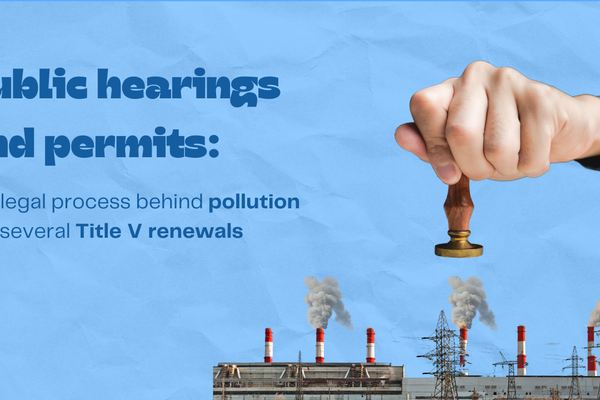
Multiple Houston-area oil and gas facilities that have violated pollution laws are seeking permit renewals

Multiple Houston-area oil and gas facilities that have violated pollution laws are seeking permit renewals

One facility has emitted cancer-causing chemicals into waterways at levels up to 520% higher than legal limits.

Regulators are underestimating health impacts from air pollution: Study

Regulators are underestimating health impacts from air pollution: Study

"The reality is, we are not exposed to one chemical at a time.”

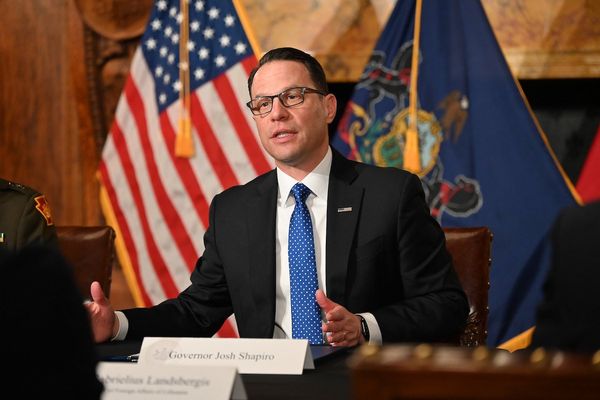
Pennsylvania governor Josh Shapiro speaks with the state flag and American flag behind him.

Two years into his term, has Gov. Shapiro kept his promises to regulate Pennsylvania’s fracking industry?

A new report assesses the administration’s progress and makes new recommendations

silhouette of people holding hands by a lake at sunset

An open letter from EPA staff to the American public

“We cannot stand by and allow this to happen. We need to hold this administration accountable.”

wildfire retardants being sprayed by plane

New evidence links heavy metal pollution with wildfire retardants

“The chemical black box” that blankets wildfire-impacted areas is increasingly under scrutiny.

Stay informed: sign up for The Daily Climate newsletter
Top news on climate impacts, solutions, politics, drivers. Delivered to your inbox week days.