HOUSTON — Fewer than 6% of more than 16,000 chemicals associated with plastic production are regulated worldwide, according to a new report from PlastChem.
PlastChem is a project funded by the Norwegian Research Council that identifies and seeks to address potential harm from plastics and polymers. The report released Thursday builds on growing evidence that suggests plastic production, use and waste is flooding humans and Earth with hazardous, or potentially hazardous, compounds, and that regulation to protect us from these compounds is not keeping up.
The report has big implications for places like Houston, Texas — nicknamed the “Energy Capital of the World” — which has more than 600 oil and gas facilities on the Houston Ship Channel. Many of those facilities are dedicated to processing fossil fuels and producing plastics.
The report found:
- 16,325 chemicals related to plastic production, whether used intentionally or as a byproduct of the plastic lifecycle.
- 6,276 chemicals have been studied with data available in the public domain.
- More than 9,000 of these chemicals have publicly available data.
- Fewer than 6% of these chemicals are regulated.
“Very few of these chemicals are regulated on a global scale,” said Martin Wagner, first author of the report and a member of the PlastChem project team, during a webinar discussing the report findings. “There’s simply too many out there.”
“Many [regulated chemicals] are only regulated in parts of their life cycle,” added Laura Monclús, ecotoxicologist and PlastChem project team member.
Plastic lifecycle
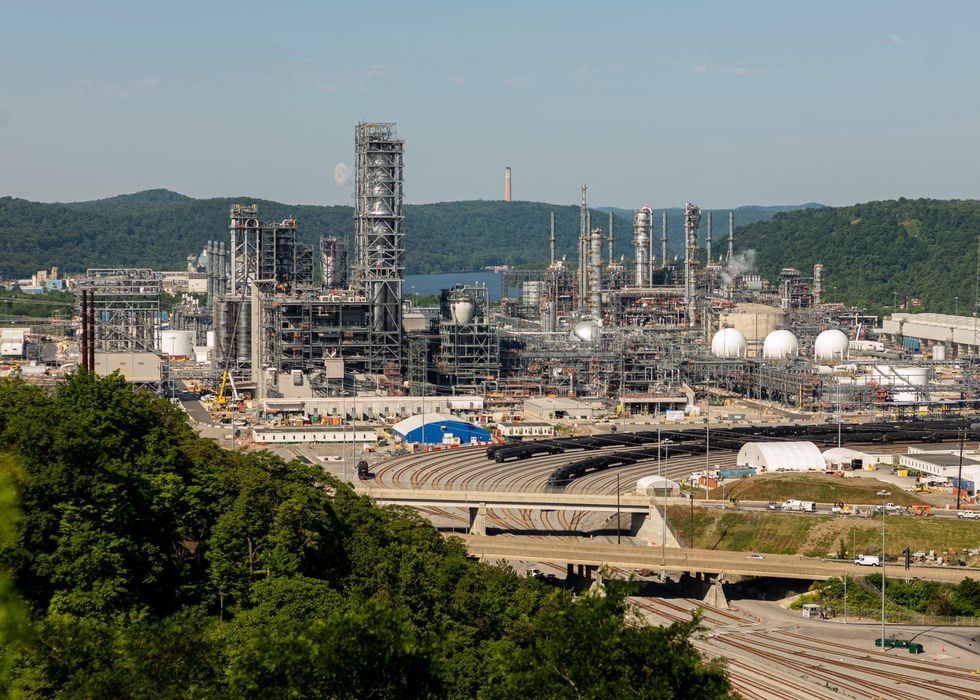
The life cycle of a plastic usually starts with a fossil fuel — oil, gas or coal — that is chemically altered through petrochemical production into final products. Chemical pollution related to plastics — from the initial fossil fuel extraction to the plastic waste littering our land and water — has been attributed to serious health impacts, as noted in our previous reporting here. The Journal of the Endocrine Society recently published a study that found plastics were linked to $249 billion in healthcare costs in 2018 alone.
Of the 6,276 chemicals PlastChem has data for, they identified:
- 3,567 as “hazardous chemicals of concern”
- 1,168 as “less hazardous”
- 28 as “watch list”
- 153 as “not hazardous
“Research shows many of these chemicals are emitted or released [from plastic products], resulting in exposure … and the exposure has substantial health impacts,” Wagner said.
Monclús stated that PlastChem does not consider the chemicals listed as “not hazardous” to be safe. PlastChem was unable to evaluate the “not hazardous” chemicals for all aspects of their hazard testing.
Plastic policy recommendations
The report suggested increasing industry and government transparency of chemicals, new regulations that target specific chemical groups similar in structure to known hazardous chemicals such as PFAS, bisphenols and phthalates (since production outpaces the time needed to study each individual chemical), and inclusion of their research into the UN Global Plastics Treaty draft.
The American Chemistry Council, which represents chemical manufacturers, said they were “encouraged that today’s report emphasizes the need for greater transparency around the use of plastic additives and potential health risks” but questioned some of the data.
“Unfortunately, today’s report seeks to advance a hazard framework that ignores real-world exposures and paints an incomplete picture for regulators and the public,” said Kimberly Wise White, vice president of regulatory and technical affairs in a press release from the American Chemistry Council.
However, Karen Reubenheimer, senior lecturer for the Australian National Centre for Ocean Resources and Security at the University of Wollongong, said the “report has made very clear that transparency and disclosure is lacking.”
“It’s easy to manage pollution you can see, but pollution you can’t, you need really clear data.”