Chevron settles for a historic fine over California oil spills

In a landmark move, Chevron has agreed to pay $13 million in fines to California agencies for its oil spill incidents, marking a step towards addressing past environmental damages.

Janet Wilson reports for ProPublica and The Desert Sun.


In short:

  • Chevron's $13 million penalty sets a record for fines related to oil spills in California, addressing contamination that has persisted for decades.
  • The settlement does not mandate an immediate halt to the ongoing spills but introduces a framework for state-supervised management and containment.
  • Chevron's response to these fines includes an acknowledgment of their environmental obligations and a pledge to prevent similar incidents in the future.
  • Despite the significant fines, Chevron's earnings dwarf the penalties, raising questions about the effectiveness of financial penalties as deterrents.

Key quote:

"It's great to see one of the state's most prolific polluters fined for its destruction to the environment."

— Hollin Kretzmann, attorney at the Center for Biological Diversity's Climate Law Institute

Why this matters:

Across the country, states and the federal government are allocating more resources for cleanup of abandoned, leaking wells, which come with significant environmental and economic impacts. So far, industry's contribution to cleaning up their messes has fallen far short of what's needed, leaving taxpayers at risk of footing the bill.


Battle ships heading into the sunset

Water, power, and the future of conflict

Explore the rise of water as a geopolitical weapon influencing global security, economics, and environmental stability in 2026.
A view of the Salton Sea with mountains in the background

The clean energy transition at the Salton Sea

California holds vast stores of lithium, but mining projects stir debate over environmental costs and economic benefits.

A worker at a steel plant

Indonesia’s steel expansion risks a surge in greenhouse gas emissions

Indonesia’s steel industry is becoming one of the country’s fastest-growing sources of greenhouse gas emissions, even as it receives far less public attention than other carbon-intensive sectors.

An oil pump jack in a dry field

New Mexico again debates greenhouse gas reductions as snow melts

Lawmakers table bill to expand the use of oilfield wastewater and shoot down another that would restrict drone use around “critical” infrastructure.

A gray warehouse type building on a brown field on a sunny day

Data centers are scrambling to power the AI boom with natural gas

As tech giants find creative ways to generate electricity, they’re building a glut of new fossil fuel projects.
U.S. Congressman Jim Jordan speaking at the 2015 Defending the American Dream Summit
Credit: Gage Skidmore/https://creativecommons.org/licenses/by-sa/2.0/https://www.flickr.com/photos/gageskidmore/

Federal Judicial Center pulls climate change chapter from official manual for U.S. judges

The “Reference Manual on Scientific Evidence” — updated for the first time in 15 years — eliminates some 90 pages about climate science and comes just as numerous climate cases make their way through state and federal courts.
US Supreme Court roof and pillars in evening sun and shadow.

Trump EPA to take its biggest swing yet against climate change rules

With its plans to revoke the endangerment finding, the administration is gambling that the U.S. Supreme Court will allow it to completely avoid regulating the nation’s top greenhouse gas sources.

From our Newsroom
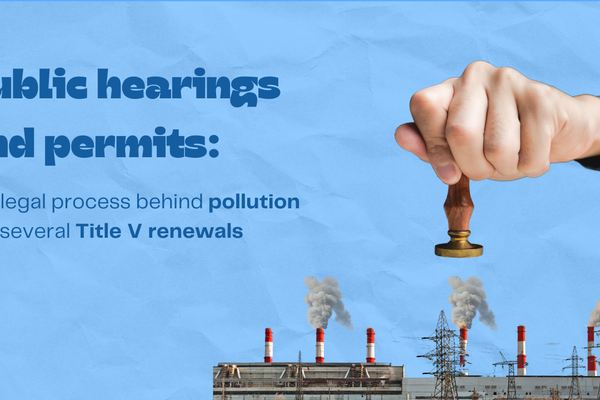
Multiple Houston-area oil and gas facilities that have violated pollution laws are seeking permit renewals

Multiple Houston-area oil and gas facilities that have violated pollution laws are seeking permit renewals

One facility has emitted cancer-causing chemicals into waterways at levels up to 520% higher than legal limits.

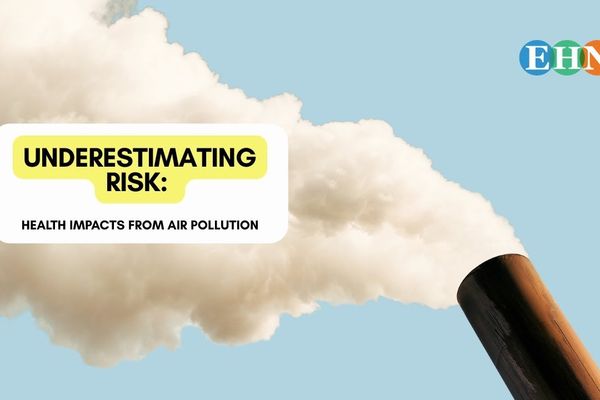
Regulators are underestimating health impacts from air pollution: Study

Regulators are underestimating health impacts from air pollution: Study

"The reality is, we are not exposed to one chemical at a time.”

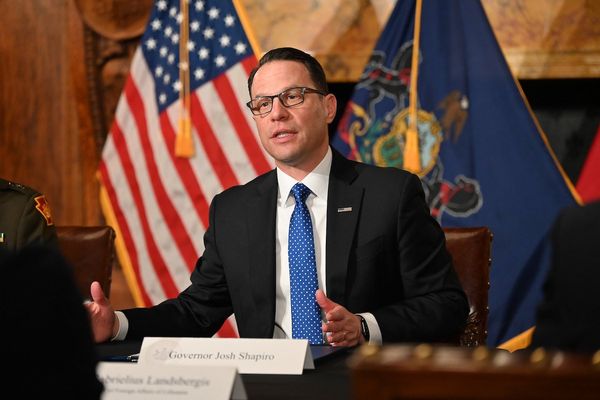
Pennsylvania governor Josh Shapiro speaks with the state flag and American flag behind him.

Two years into his term, has Gov. Shapiro kept his promises to regulate Pennsylvania’s fracking industry?

A new report assesses the administration’s progress and makes new recommendations

silhouette of people holding hands by a lake at sunset

An open letter from EPA staff to the American public

“We cannot stand by and allow this to happen. We need to hold this administration accountable.”

wildfire retardants being sprayed by plane

New evidence links heavy metal pollution with wildfire retardants

“The chemical black box” that blankets wildfire-impacted areas is increasingly under scrutiny.

Stay informed: sign up for The Daily Climate newsletter
Top news on climate impacts, solutions, politics, drivers. Delivered to your inbox week days.