Cities across the US are reducing risky floodplain development, but Louisiana and Florida remain outliers

New research shows that most U.S. towns have reduced or eliminated floodplain construction through local practices like zoning changes, though some states still build extensively in risky areas.

Jake Bittle reports for Grist.


In short:

  • The U.S. has built fewer homes in floodplains since 2001 than previously thought, with most construction concentrated in Louisiana and Florida.
  • Simple local measures like zoning adjustments have effectively curbed floodplain development in many states, notably New Jersey.
  • Outdated FEMA flood maps limit regulation effectiveness, leaving some flood-prone areas under-protected.

Key quote:

“We are building a lot in floodplains, but it’s not as bad as you think. Avoiding development in floodplains is doable, and we can do even more of it.”

— Miyuki Hino, professor of urban planning at UNC Chapel Hill

Why this matters:

As climate risks increase, reducing floodplain development can prevent costly flood damage. However, accurate maps and tailored local interventions are essential for addressing remaining gaps.


Symbol of law and justice, law and justice concept, scales of justice.
Credit: vladek/BigStock Photo ID: 46192432

The latest front in the battle over climate lawsuits: bills wiping out liability

Republican lawmakers are advancing legislation that would shield major polluters from legal accountability for climate change harms.
The oil rig Sevan Louisiana off the Curacao coast in the Caribbean.
Credit: Zaschnaus/BigStock Photo ID: 288731746

Trump administration approves ultra-deepwater oil drilling plan

The $5 billion project in the Gulf of Mexico is expected to help produce up to 10 billion barrels of oil by the end of this decade. Critics say it could endanger people and marine life.
Fracking well pad and drilling site

Pennsylvania publishes long-awaited study on radioactivity in landfill runoff

The state concluded there is “no current cause for concern.” Experts worried about the long-term impacts of fracking waste say more research is required.
Clock approaching midnight superimposed over a world map
Credit: chughes/ BigStock Photo ID: 20162111

'Doomsday Clock' advances to 85 seconds till midnight

A science-oriented advocacy group moved its “Doomsday Clock” to 85 seconds to midnight, saying the Earth is closer than ever to destruction.
An aerial view of the streets of Paris lined with green trees

The race for Paris: Why France’s capital has likely gone green for good

French conservatives once opposed greener, low-traffic city plans, but rival programs now suggest a tree-filled capital is inevitable.

A view of planet Earth from space

‘Unprecedented in the past 3.6 million years’: How human-made climate change is making days longer

Human activity is responsible for slowing Earth’s spin and making days longer, according to a new study.
From our Newsroom
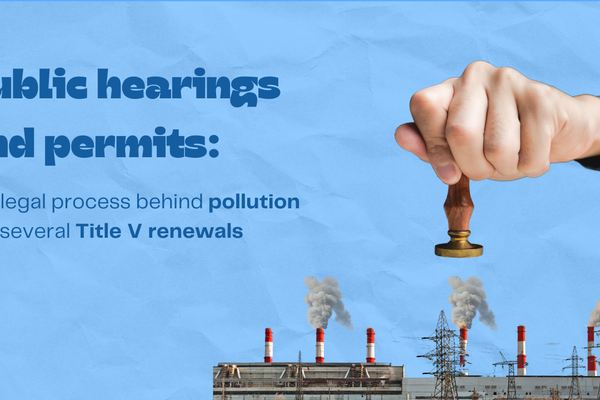
Multiple Houston-area oil and gas facilities that have violated pollution laws are seeking permit renewals

Multiple Houston-area oil and gas facilities that have violated pollution laws are seeking permit renewals

One facility has emitted cancer-causing chemicals into waterways at levels up to 520% higher than legal limits.

Regulators are underestimating health impacts from air pollution: Study

Regulators are underestimating health impacts from air pollution: Study

"The reality is, we are not exposed to one chemical at a time.”

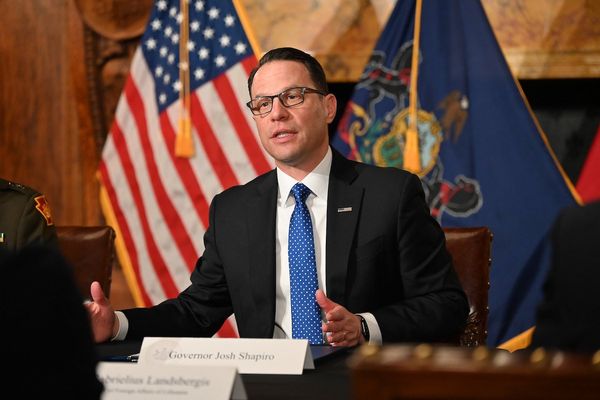
Pennsylvania governor Josh Shapiro speaks with the state flag and American flag behind him.

Two years into his term, has Gov. Shapiro kept his promises to regulate Pennsylvania’s fracking industry?

A new report assesses the administration’s progress and makes new recommendations

silhouette of people holding hands by a lake at sunset

An open letter from EPA staff to the American public

“We cannot stand by and allow this to happen. We need to hold this administration accountable.”

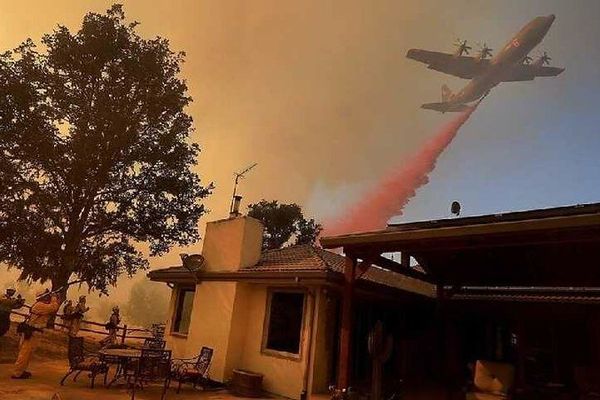
wildfire retardants being sprayed by plane

New evidence links heavy metal pollution with wildfire retardants

“The chemical black box” that blankets wildfire-impacted areas is increasingly under scrutiny.

Stay informed: sign up for The Daily Climate newsletter
Top news on climate impacts, solutions, politics, drivers. Delivered to your inbox week days.