Climate change could cut global GDP in half by late 21st century

Without urgent action to curb emissions and restore ecosystems, the global economy could shrink by 50% between 2070 and 2090 due to climate-driven disasters, according to a report by actuaries and scientists.

Sandra Laville reports for The Guardian.


In short:

  • A study by the Institute and Faculty of Actuaries warns climate impacts like extreme weather and ecosystem collapse could devastate the global economy.
  • Current economic models underestimate risks by ignoring tipping points and systemic failures caused by global heating.
  • The report calls for policymakers to adopt a "planetary solvency" approach to protect the Earth's systems essential for human survival.

Key quote:

“You can’t have an economy without a society, and a society needs somewhere to live.”

— Sandy Trust, lead author of the report

Why this matters:

Climate-related shocks could disrupt food, water and energy systems, threatening billions of lives and global stability. Ignoring these risks perpetuates inadequate policies, leaving humanity unprepared for worsening crises.

Curling match at Cortina Winter Olympics 2026 with athletes sliding stones on ice and fans in stands behind.

The Great Olympic lie: untold story of Winter Games’ huge environmental impact

Rivers drained dry to create artificial snow, a forest cut down for the bobsleigh track – IOC’s claims to prioritise sustainability at Milano Cortina exposed.

A snowy landscape with two smokestacks emitting pollution in the background
Credit: Andrew/Unsplash+

US Environmental Protection Agency repeals Biden-era coal rules aimed at limiting brain-harming pollution

The EPA repealed Biden-era regulations that forced power plants to cut harmful pollutants including brain-damaging mercury and particulate matter.

Coal plant emitting smokestack pollution
Credit: Faux Toe/BigStock Photo ID: 1366970

Mercury pollution and human health

Coal-fired power plants are a major source of mercury contamination for people and the environment. Here's what you need to know.
Hydraulic fracturing natural gas well pad.

Researchers warn of negative health outcomes from fracking in the B.C. Peace region

One Dawson Creek family physician told city council she’s seen the prevalence of rare cancers at an alarming frequency, and claims exposure to contaminants from nearby fracking is to blame.
A red arrow symboilic of an upward trend in inflation and/or prices.
Credit: digitalista/BigStock Photo ID: 469733247

Is climate change making inflation worse?

There’s mounting evidence that extreme weather is making some everyday stuff more expensive. But how that plays out for you depends on several factors.

A model of a small house with two people signing paperwork in the background

As climate crisis upended homeowners insurance, the industry resisted regulation

When an international organization sought to create guidelines on climate risk, insurance lobbying groups pushed back.
Urban winter scene; tenements at East 94th Street & Madison Avenue, New York, NY, USA

What happens if New York buildings use less gas?

New York’s utilities keep investing in natural gas, but this conflicts with the state’s climate goals. Experts worry that ratepayers will eventually struggle to keep up with rising costs.
From our Newsroom
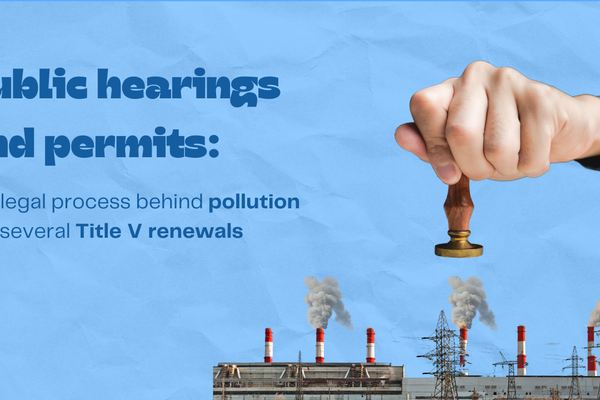
Multiple Houston-area oil and gas facilities that have violated pollution laws are seeking permit renewals

Multiple Houston-area oil and gas facilities that have violated pollution laws are seeking permit renewals

One facility has emitted cancer-causing chemicals into waterways at levels up to 520% higher than legal limits.

Regulators are underestimating health impacts from air pollution: Study

Regulators are underestimating health impacts from air pollution: Study

"The reality is, we are not exposed to one chemical at a time.”

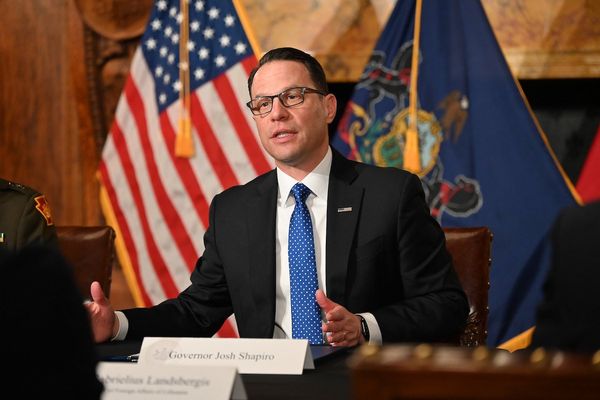
Pennsylvania governor Josh Shapiro speaks with the state flag and American flag behind him.

Two years into his term, has Gov. Shapiro kept his promises to regulate Pennsylvania’s fracking industry?

A new report assesses the administration’s progress and makes new recommendations

silhouette of people holding hands by a lake at sunset

An open letter from EPA staff to the American public

“We cannot stand by and allow this to happen. We need to hold this administration accountable.”

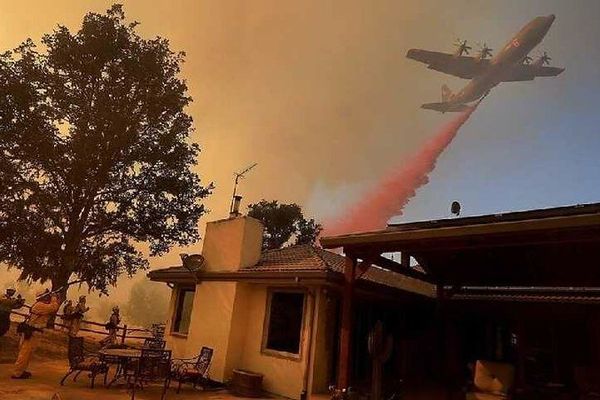
wildfire retardants being sprayed by plane

New evidence links heavy metal pollution with wildfire retardants

“The chemical black box” that blankets wildfire-impacted areas is increasingly under scrutiny.

Stay informed: sign up for The Daily Climate newsletter
Top news on climate impacts, solutions, politics, drivers. Delivered to your inbox week days.