Climate change is erasing Indigenous languages along with biodiversity

A warming world isn’t just changing landscapes—it’s stripping away words. The Sámi people of northern Scandinavia, whose language holds an intricate vocabulary for snow and reindeer, are watching their words vanish alongside their environment.

Julia Webster Ayuso reports for NOĒMA.


In short:

  • As the Arctic warms nearly four times faster than the rest of the planet, reindeer herders struggle with shifting landscapes that make traditional Sámi terms obsolete. Words describing snow, grazing conditions and reindeer behaviors are disappearing as these conditions become rare.
  • Scientists see a global pattern: where biodiversity declines, so do languages. Many Indigenous languages hold ecological knowledge, and when communities are forced from their land, that knowledge fades.
  • UNESCO classifies all nine Sámi languages as endangered. Sweden and Finland have cut funding for language preservation, accelerating the loss.

Key quote:

“There are constructions in the Sámi languages that give a precise description of how to use the land, what to do in certain conditions, what reindeer need, and also what not to do, in order to maintain the ecosystems."

— Lars Miguel Utsi, former Sámi Parliament vice president

Why this matters:

Across the world, Indigenous languages are disappearing at an alarming rate, often in lockstep with the destruction of the ecosystems they describe.

Read more: Colonialism, the climate crisis, and the need to center Indigenous voices
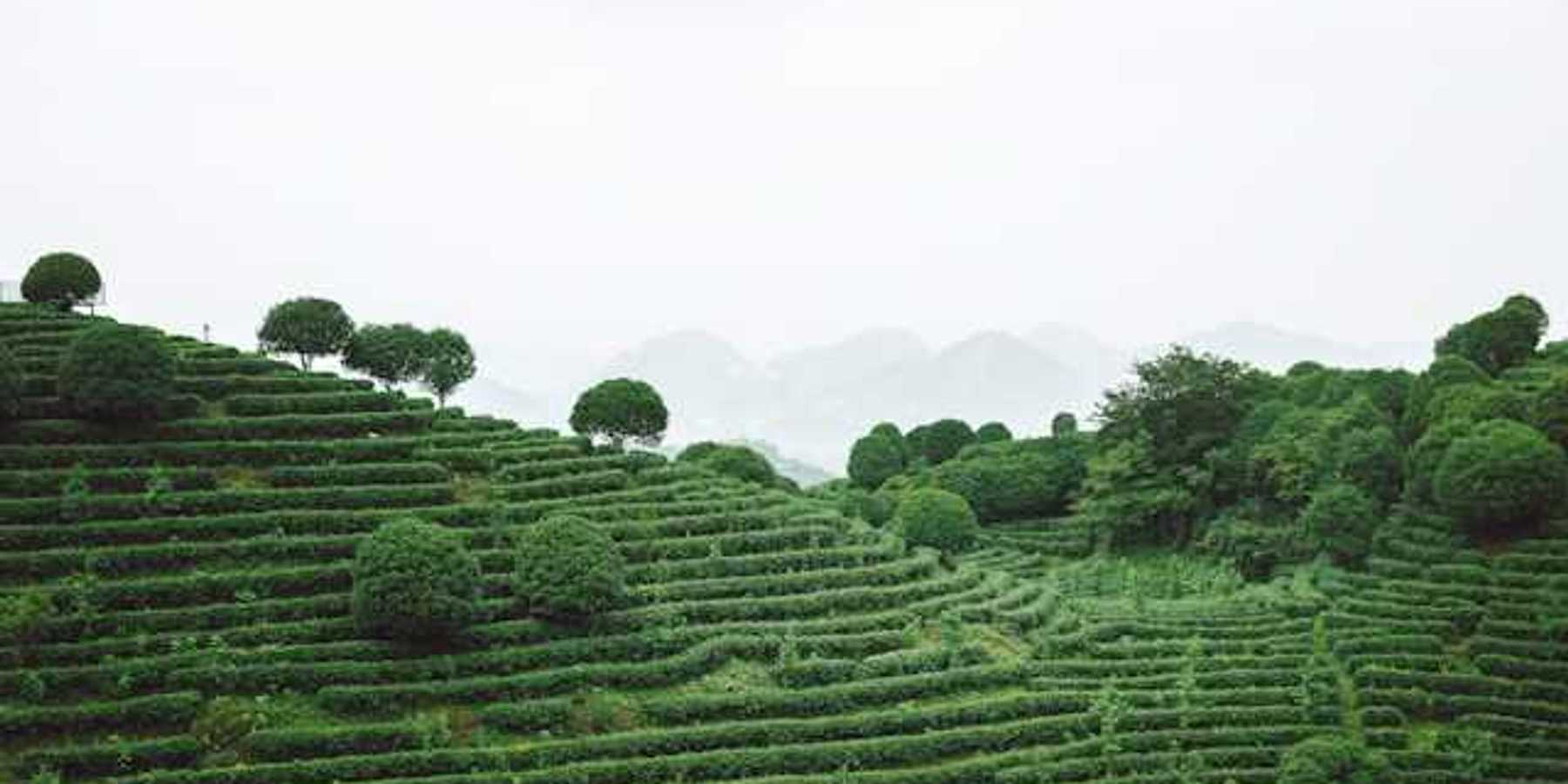
A view of a green terraced hillside

Photos: Taiwan’s tea revival blends ancient terraces with new climate adaptations

Climate change is making the revival harder, with earlier-dissipating mist, erratic rainfall, and increasingly intense typhoons threatening tea plants and increasing landslide risks.

An illustration of an AI chat bot with purple wires next to it

How AI chatbots may be talking people out of climate action

Across 28,800 prompts, models were 7.5 times more likely to advise “stay the course” than “change,” even when the status quo is anti-climate.
A man in an orange vest looking up at an oil pump jack

Climate activists protest African Energy Week in South Africa

Activists challenged efforts to position Africa as a new frontier for fossil fuel development, arguing that further investment would worsen climate change.

An illustration of a pipeline heading towards an energy plant

Opinion: Wisconsin doesn’t have to accept new gas plants as inevitable

WE Energies says Wisconsin needs a new methane gas plant to meet growing electricity demand. Citizens deserve more information.
Henry Waxman explaining his global warming bill H.R. 2454 at UCLA Los Angeles
Credit: joeygil/BigStock Photo ID: 5820123

IPCC is under pressure to delay publication of key global climate report

AR7 report was scheduled for 2028 in time for Cop33 summit but some petro-states and major developing countries want to postpone it.

A path in the woods full on red leaves on the ground

Fall colors delayed by climate change

A forest health program coordinator with the Minnesota Department of Natural Resources explains how a changing climate is affecting the timing of fall foliage colors.
From our Newsroom
Multiple Houston-area oil and gas facilities that have violated pollution laws are seeking permit renewals

Multiple Houston-area oil and gas facilities that have violated pollution laws are seeking permit renewals

One facility has emitted cancer-causing chemicals into waterways at levels up to 520% higher than legal limits.

Regulators are underestimating health impacts from air pollution: Study

Regulators are underestimating health impacts from air pollution: Study

"The reality is, we are not exposed to one chemical at a time.”

Pennsylvania governor Josh Shapiro speaks with the state flag and American flag behind him.

Two years into his term, has Gov. Shapiro kept his promises to regulate Pennsylvania’s fracking industry?

A new report assesses the administration’s progress and makes new recommendations

silhouette of people holding hands by a lake at sunset

An open letter from EPA staff to the American public

“We cannot stand by and allow this to happen. We need to hold this administration accountable.”

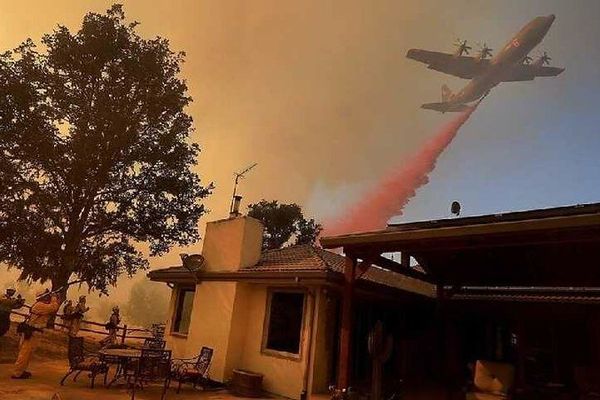
wildfire retardants being sprayed by plane

New evidence links heavy metal pollution with wildfire retardants

“The chemical black box” that blankets wildfire-impacted areas is increasingly under scrutiny.

Stay informed: sign up for The Daily Climate newsletter
Top news on climate impacts, solutions, politics, drivers. Delivered to your inbox week days.