Climate crisis fuels mosquito disease spread in Europe, expert argues

Mosquito-borne diseases like malaria and dengue fever are increasing in Europe due to global warming, according to an expert.

Helena Horton reports for The Guardian.


In short:

  • Prof. Rachel Lowe emphasizes the need for preparedness as warmer climates allow mosquitoes to inhabit new regions, potentially introducing diseases to immunologically naive populations.
  • Dengue fever is spreading rapidly; the Asian tiger mosquito is now found in 13 European countries.
  • Climate-related droughts and floods enhance virus transmission through increased mosquito breeding sites.
  • If current warming trend continues, the number of people living in place where these vectors thrive is expected to double to 4.7 by 2100.

Key quote:

"Global warming due to climate change means that the disease vectors that carry and spread malaria and dengue [fever] can find a home in more regions, with outbreaks occurring in areas where people are likely to be immunologically naive and public health systems unprepared."

— Rachel Lowe, head of the global health resilience group at the Barcelona Supercomputing Center.

Why this matters:

As global temperatures rise, the habitats suitable for mosquitoes are expanding. This expansion means that more people are at risk of dengue fever as these mosquitoes bring the disease to new areas.

Be sure to read EHN’s piece: Pollution, climate change and the global burden of disease.

A group of three cyclists bicycling alongside a river

Destroyed crops, riverbed cyclists and a ‘Rock of Starvation’: how drought has devastated the Danube

The Guardian travelled 100 miles along the EU’s longest river, where some residents are struggling to secure drinking water.

Pipes rising out of the ground at a geothermal well with mountains in the background

Imperial Valley dreamed of a lithium boom. It just hit another roadblock

Stalled plans to turn a remote corner of California into a critical minerals and clean energy mecca have been dealt another setback.

A view of farm workers bending over fields with mountains in the background

As summer heat waves intensify, North Carolina advocates push for farmworker protection

Agricultural workers and advocates gathered in Raleigh, North Carolina last week to highlight the contributions of immigrant farmworkers and the dangers they face working in extreme heat.

An aerial view of a forested environment with a slash of deforested fields running throughout

New studies portray Amazon as surprisingly resilient, but tipping point looms

Three 2026 studies reveal that the Amazon can regrow quickly, but deforestation and warming could trigger a system-wide tipping point in the next 15 years.
A person looking at a laptop with the word Marketing on the screen

The data center industry’s PR blitz is backfiring

In an effort to counter souring public sentiment, a group called North Carolina Connects has been running ads on TV, radio, and social media promoting data centers.

Woman in business suit with a protective mask over her face

The EPA's data on cancer risk from air pollution has gone dark

For decades, communities have relied on the agency's cancer risk estimates to hold polluters accountable. This year, it's missing.
From our Newsroom
Multiple Houston-area oil and gas facilities that have violated pollution laws are seeking permit renewals

Multiple Houston-area oil and gas facilities that have violated pollution laws are seeking permit renewals

One facility has emitted cancer-causing chemicals into waterways at levels up to 520% higher than legal limits.

Regulators are underestimating health impacts from air pollution: Study

Regulators are underestimating health impacts from air pollution: Study

"The reality is, we are not exposed to one chemical at a time.”

Pennsylvania governor Josh Shapiro speaks with the state flag and American flag behind him.

Two years into his term, has Gov. Shapiro kept his promises to regulate Pennsylvania’s fracking industry?

A new report assesses the administration’s progress and makes new recommendations

silhouette of people holding hands by a lake at sunset

An open letter from EPA staff to the American public

“We cannot stand by and allow this to happen. We need to hold this administration accountable.”

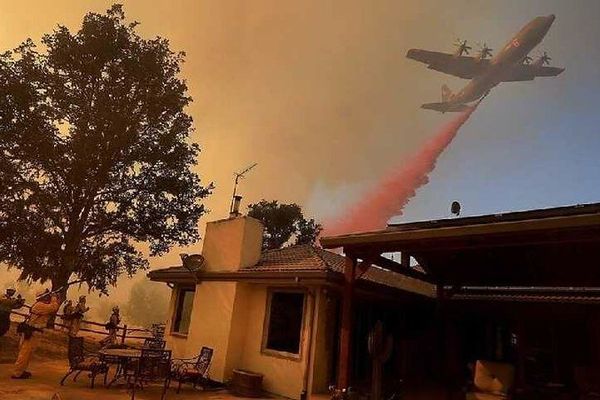
wildfire retardants being sprayed by plane

New evidence links heavy metal pollution with wildfire retardants

“The chemical black box” that blankets wildfire-impacted areas is increasingly under scrutiny.

Stay informed: sign up for The Daily Climate newsletter
Top news on climate impacts, solutions, politics, drivers. Delivered to your inbox week days.