Climate disasters challenge the myth of ‘safe’ havens

Communities once considered immune to climate disasters — like parts of the Midwest and Appalachia — are increasingly facing floods, hurricanes, and other extreme weather, exposing the flaws in the idea of “climate havens.”

Alexandra Tempus reports for The Guardian.


In short:

  • Analysts and investors once promoted regions like Wisconsin and North Carolina as “climate havens,” but recent storms and flooding have shown no place is truly safe from climate change.
  • The concept has fueled real estate speculation, with developers and insurers marketing areas as refuges, despite clear climate risks.
  • Many people displaced by climate disasters move within their own regions rather than relocating to supposed “safe zones.”

Key quote:

“There’s no such thing as a climate haven.”

— Jesse Keenan, Tulane University real estate professor

Why this matters:

The idea that certain places are immune to climate change has shaped investment, infrastructure, and migration patterns, often benefiting wealthier individuals while leaving vulnerable populations at risk. However, extreme weather events across the U.S. are proving that no region is exempt. Climate-driven migration is already happening, but most people move locally rather than to distant “safe zones.” With rising sea levels, stronger storms, and more frequent flooding, policymakers must focus on resilience and adaptation rather than chasing illusions of climate security.

Related: Some US cities are promoting themselves as climate refuges despite concerns
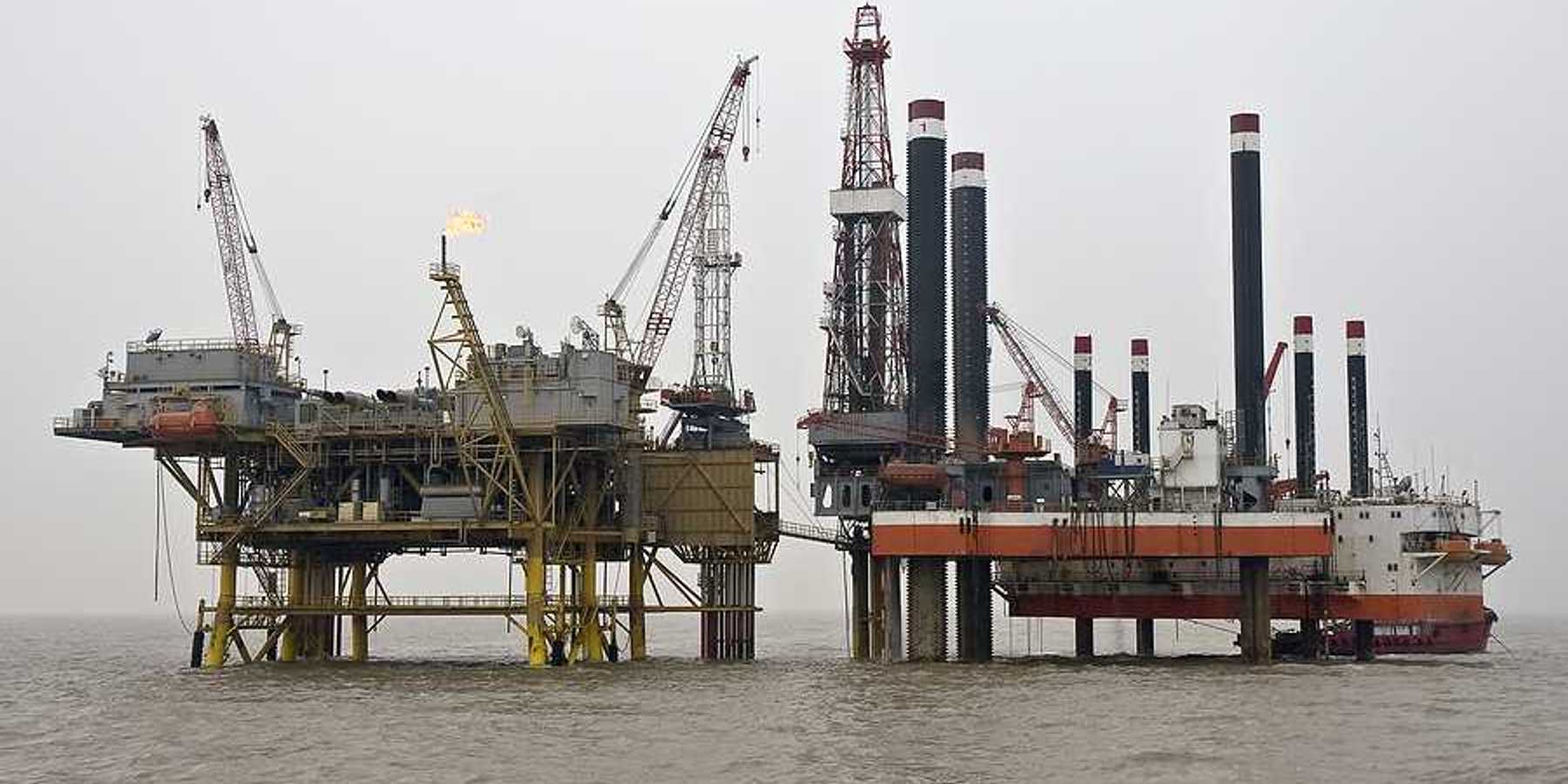
Offshore oil rig on a cloudy day

UK opening new oil and gas fields would imperil global climate goals, experts say

Climate diplomacy figures warn North Sea drilling would encourage fossil fuel exploitation by developing countries.

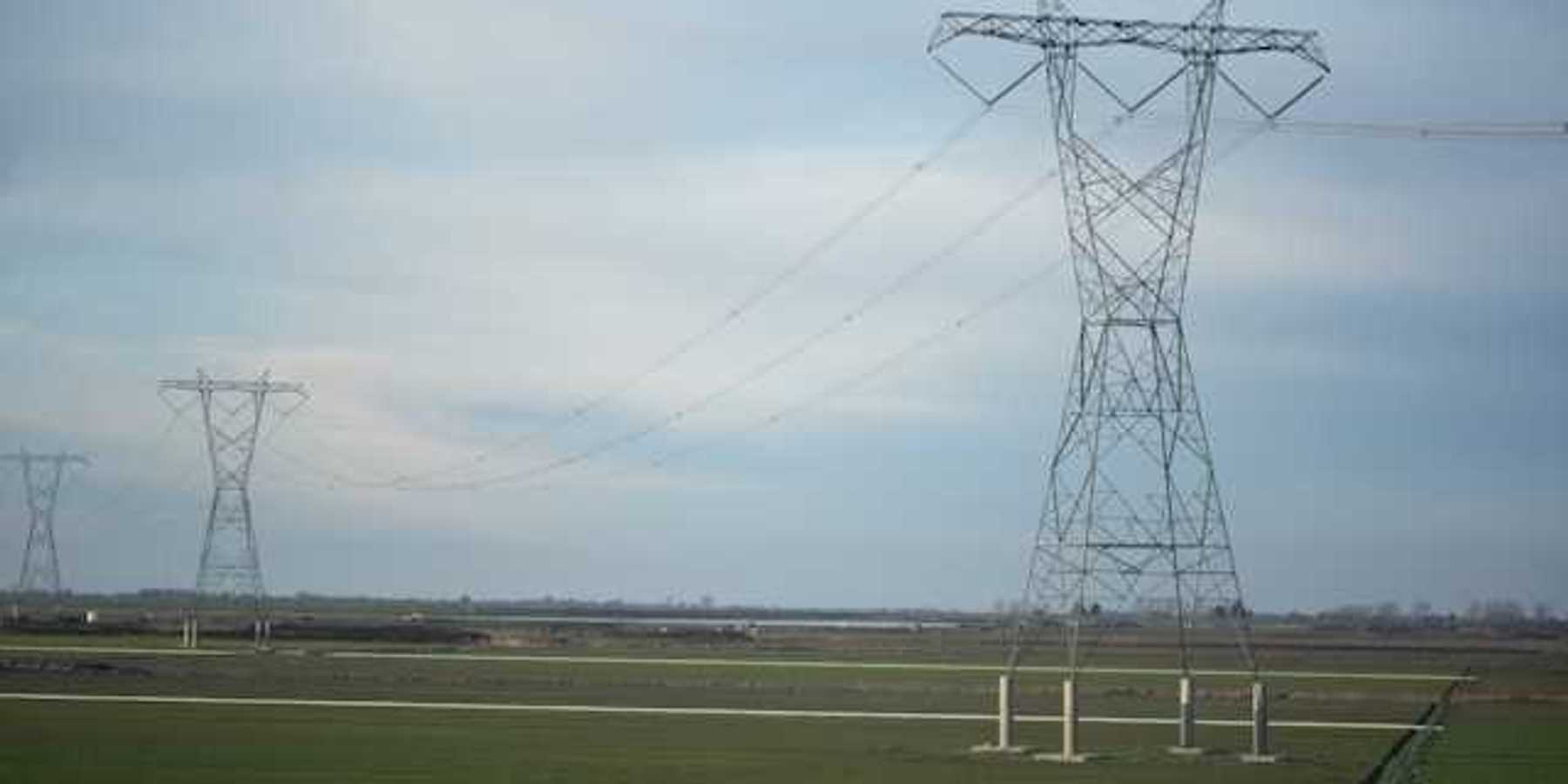
Electricity towers stretching into the distance

Southeast Minnesota green energy transmission line sparks environmental concerns

A massive expansion of the electricity grid through southern Minnesota has local landowners and conservationists worried about the impact on wildlife, ground water and the land.

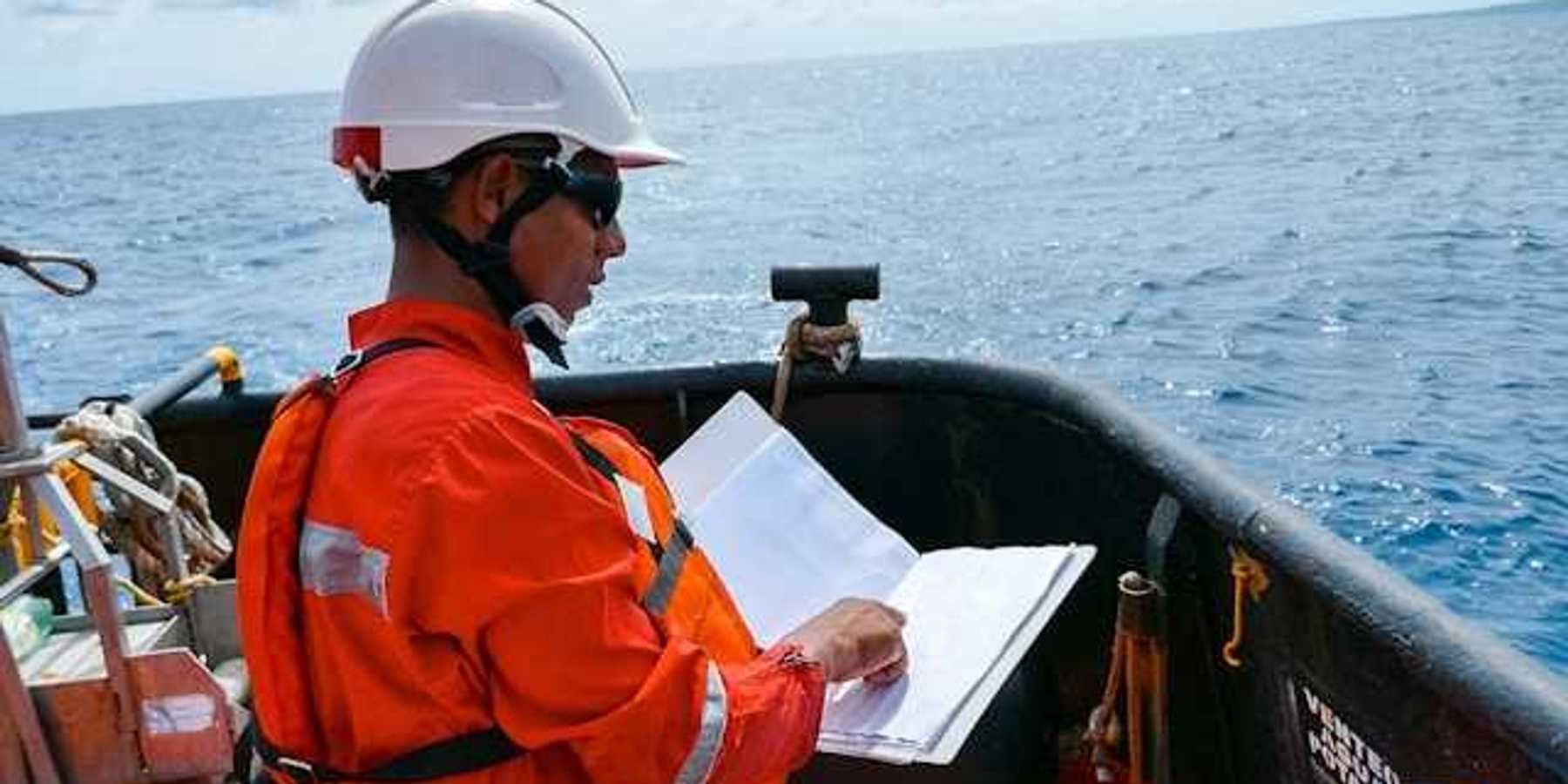
A worker in an orange jumpsuit and hardhat on an oil drill

Newcomers arrive and Amazon forests are cleared as Brazil explores for oil

Anticipation of offshore oil development is drawing thousands to a remote Amazon city, fueling rapid, unplanned growth before any economic benefits materialize.

A scuba diver hovering over a coral reef in the ocean

The future of coral reefs lies in human intervention

Current efforts to help coral evolve heat tolerance are moving too slowly to outrun global warming. Scientists propose a moon-shot level research program to engineer evolution.
An illustration of the setting sun in front of an orange sky

What to expect when you’re expecting the end of the world

Jem Bendell predicted that society would collapse because of climate change. Then he tried to get on with his life.
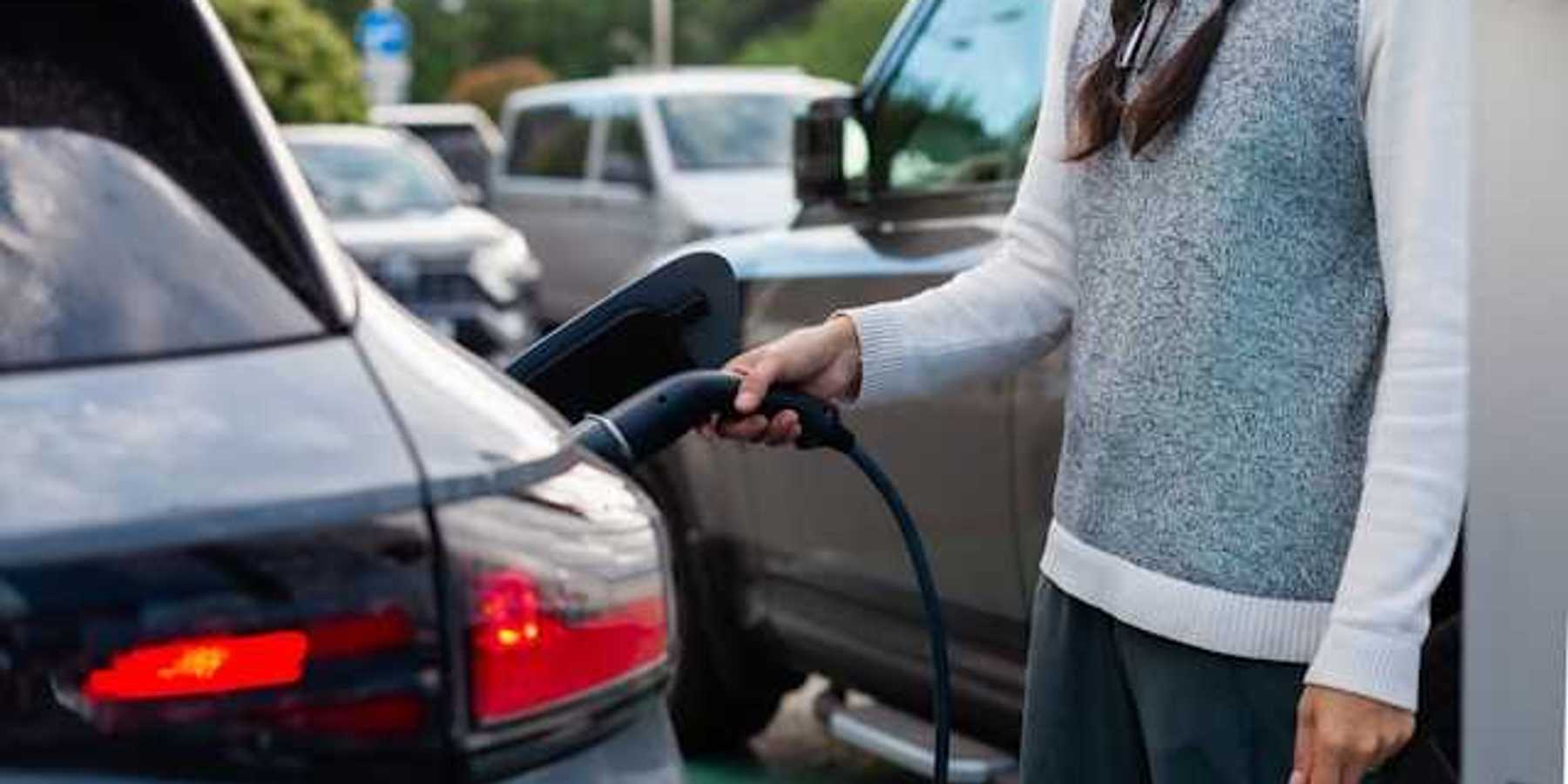
A woman charging an electric vehicle

Opinion: Why environmental policy must integrate behavioral change

Much of environmental policy rests on a familiar assumption: that if people understand the problem, they will change their behavior.

Statue of lady justice on a wooden desk with legal manuals and documents nearby

Climate science has no place in scientific reference manual for judges, attorneys general say

A chapter on climate science has been removed from a manual designed to be an independent, neutral source of scientific information for judges.
From our Newsroom
Multiple Houston-area oil and gas facilities that have violated pollution laws are seeking permit renewals

Multiple Houston-area oil and gas facilities that have violated pollution laws are seeking permit renewals

One facility has emitted cancer-causing chemicals into waterways at levels up to 520% higher than legal limits.

Regulators are underestimating health impacts from air pollution: Study

Regulators are underestimating health impacts from air pollution: Study

"The reality is, we are not exposed to one chemical at a time.”

Pennsylvania governor Josh Shapiro speaks with the state flag and American flag behind him.

Two years into his term, has Gov. Shapiro kept his promises to regulate Pennsylvania’s fracking industry?

A new report assesses the administration’s progress and makes new recommendations

silhouette of people holding hands by a lake at sunset

An open letter from EPA staff to the American public

“We cannot stand by and allow this to happen. We need to hold this administration accountable.”

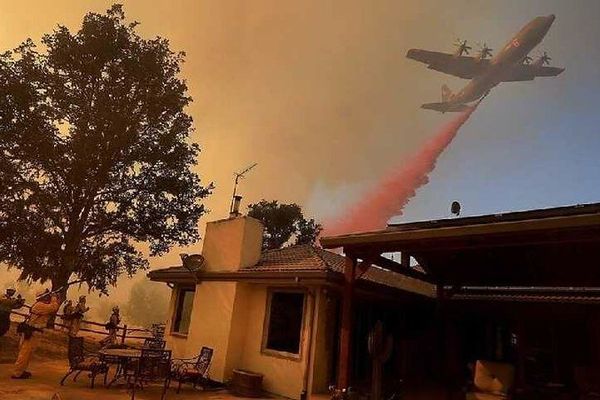
wildfire retardants being sprayed by plane

New evidence links heavy metal pollution with wildfire retardants

“The chemical black box” that blankets wildfire-impacted areas is increasingly under scrutiny.

Stay informed: sign up for The Daily Climate newsletter
Top news on climate impacts, solutions, politics, drivers. Delivered to your inbox week days.