Study links climate-driven extreme weather to rising migration between US and Mexico

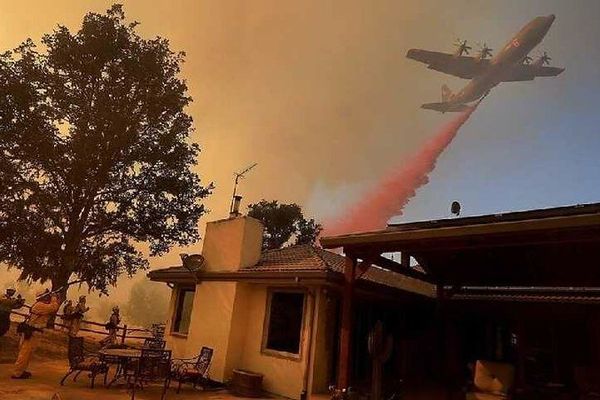
Extreme weather tied to climate change is driving more undocumented migration between Mexico and the U.S. as droughts, heat, and storms threaten livelihoods in Mexico’s agricultural regions, according to new research.

Dorany Pineda reports for The Associated Press.


In short:

  • The study found that people in Mexico’s rural communities are more likely to migrate to the U.S. when drought or extreme weather events disrupt their agricultural income.
  • Migrants often remain in the U.S. longer when drought persists, especially those from communities with established migration histories.
  • Climate change effects are expected to intensify, potentially increasing migration from regions already vulnerable to extreme weather.

Key quote:

Migration “is not a decision that people take up lightly ... and yet they’re being forced to make it more, and they’re being forced to stay longer in the United States."

— Filiz Garip, Princeton University

Why this matters:

As climate change worsens extreme weather, vulnerable populations in regions like rural Mexico may face limited options for sustaining their livelihoods. Understanding climate-induced migration patterns can inform more equitable policies that address root causes rather than focusing solely on border security.

Related: Extreme weather threatens global food security

An illustration of a dying tree with a long pinnochio nose

How a gas price ‘expert’ is using the Iran war to mobilize Canadians against climate action

Dan McTeague cultivates a media image as a consumer advocate while running a group urging people to fight against climate policies.
An African reserve with trees and the setting sun

A South African reserve shows how carbon can catalyze rewilding conservation

Rewilding at South Africa’s Tswalu reserve uses wildlife to boost soil carbon, biodiversity, and fund conservation via carbon credits.

A person with their hand outreached with an AI illustration hovering over it

Tech company climate goals under pressure due to AI energy demand

Tech companies set ambitious climate goals at the start of the decade, promising to slash emissions that contribute to global warming.

Lines of morse code in red and black

To keep climate science alive, researchers are speaking in code

Words considered "woke" are vanishing from National Science Foundation proposals. Grist tracked the changes.
A row of forks against a white background

Climate action could backfire on food — unless we use this fix

Scientists say cleaner air from reduced ozone pollution may be key to avoiding a global hunger spike.
Oil worker in orange uniform and helmet on of background the pump jack and sunset sky.
Credit: bashta/BigStock Photo ID: 24119156

Fossil fuel companies finally accept the climate crisis – just not their role in it

The era of corporate climate denial is over but in courts around the world the big names have shifted strategy.

Unassembled yellow and white wind turbines and towers

Trump’s $1B offshore wind payout to TotalEnergies sparks legal concerns

Offshore wind and legal experts question whether Interior has the authority to reimburse the oil giant for canceled leases, especially if it taps taxpayer dollars.

From our Newsroom
Multiple Houston-area oil and gas facilities that have violated pollution laws are seeking permit renewals

Multiple Houston-area oil and gas facilities that have violated pollution laws are seeking permit renewals

One facility has emitted cancer-causing chemicals into waterways at levels up to 520% higher than legal limits.

Regulators are underestimating health impacts from air pollution: Study

Regulators are underestimating health impacts from air pollution: Study

"The reality is, we are not exposed to one chemical at a time.”

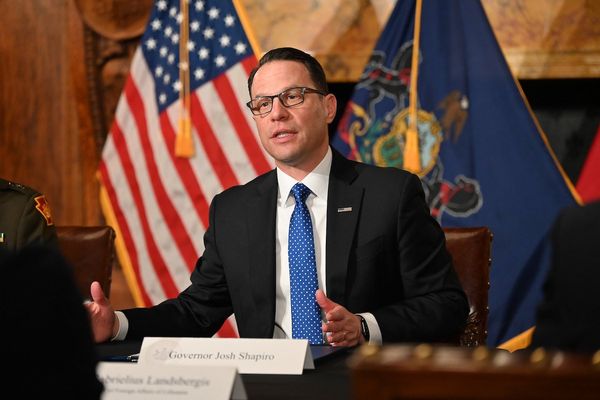
Pennsylvania governor Josh Shapiro speaks with the state flag and American flag behind him.

Two years into his term, has Gov. Shapiro kept his promises to regulate Pennsylvania’s fracking industry?

A new report assesses the administration’s progress and makes new recommendations

silhouette of people holding hands by a lake at sunset

An open letter from EPA staff to the American public

“We cannot stand by and allow this to happen. We need to hold this administration accountable.”

wildfire retardants being sprayed by plane

New evidence links heavy metal pollution with wildfire retardants

“The chemical black box” that blankets wildfire-impacted areas is increasingly under scrutiny.

Stay informed: sign up for The Daily Climate newsletter
Top news on climate impacts, solutions, politics, drivers. Delivered to your inbox week days.