Coal plant seeks pollution waiver after Trump administration opens email-based exemption process

The Colstrip coal plant in Montana, the nation’s top emitter of harmful soot, has asked the U.S. Environmental Protection Agency for a two-year exemption from pollution control rules under a new process opened by the Trump administration.

Hiroko Tabuchi reports for The New York Times.


In short:

  • The Colstrip power plant emits more fine particulate pollution than any other plant in the U.S. and lacks modern pollution controls, according to the EPA. A 2023 rule required it to install updated equipment.
  • The EPA recently invited companies to apply for Clean Air Act waivers by email. The law allows presidential exemptions if technology is deemed unavailable or if national security is at risk.
  • Montana’s congressional delegation supports the exemption, citing energy reliability and economic concerns, though public health experts warn of severe health impacts from particulate pollution.

Key quote:

This pollution "can be very damaging to young kids in particular, who have developing lungs."

— Robert Merchant, pulmonologist in Billings, Mont.

Why this matters:

Fine particulate pollution, or soot, poses serious health risks by penetrating deep into the lungs and bloodstream, contributing to asthma, strokes, heart disease, and premature death — particularly among children, the elderly, and those with preexisting conditions. Yet coal plants like Colstrip in eastern Montana continue operating without modern pollution controls, even as most U.S. facilities have installed them. As the Trump administration advances regulatory rollbacks that prioritize industry relief over science-based health protections, Colstrip has become a symbol of this shift, raising alarm among public health experts and environmental justice advocates.

Related EHN coverage: When coal plants decrease pollution or shut down, people have fewer asthma attacks


A lithium cell battery with wires attached to it

Old but full of energy: Giving EV batteries a second life

A B.C.-based startup is giving worn-out electric vehicle batteries a second life, repurposing them into modular energy storage systems that cut emissions, reduce waste and help communities shift away from fossil-fuel power.

A reservoir with a dam with green mountains in the background

Reservoir hogs

In France, new reservoirs are destroying ancient riparian systems. What form should resistance take?
a glass of wine with smoke coming out of it

Can we save wine from wildfires?

The wine industry has lost billions of dollars, largely because smoke makes the drink taste like licking an ashtray. Now a team of scientists is chasing a solution.

A tractor putting fertilizer on a farm field

France, Italy push to exempt fertilizers from EU carbon border levy

France and Italy are seeking to exclude fertilizers from the European Union's carbon border levy, at least temporarily, saying an exemption is needed to protect struggling European farmers.

A worker installing electronics in a large industrial cabinet

South Carolina’s AI and data center push exposes a racial divide

Four million Americans live within 1 mile of a data center. The communities closest to them are “overwhelmingly” non-white.
President Donald Trump speaking into a microphone
Credit: Gage Skidmore/https://www.flickr.com/photos/gageskidmore/https://creativecommons.org/licenses/by-sa/4.0/

Trump taking ‘drill, baby, drill’ plan to Venezuela ‘terrible’ for climate, experts warn

‘Everybody loses’ if production is supercharged in a country with the largest known oil reserves, critics say.

A refinery at night in front of a water source

What Trump’s Venezuela strategy means for Black communities

Environmental justice advocates warn that refining Venezuelan oil will concentrate more pollution and cancer risk in majority-Black communities along the Texas and Louisiana Gulf Coast.

From our Newsroom
Multiple Houston-area oil and gas facilities that have violated pollution laws are seeking permit renewals

Multiple Houston-area oil and gas facilities that have violated pollution laws are seeking permit renewals

One facility has emitted cancer-causing chemicals into waterways at levels up to 520% higher than legal limits.

Regulators are underestimating health impacts from air pollution: Study

Regulators are underestimating health impacts from air pollution: Study

"The reality is, we are not exposed to one chemical at a time.”

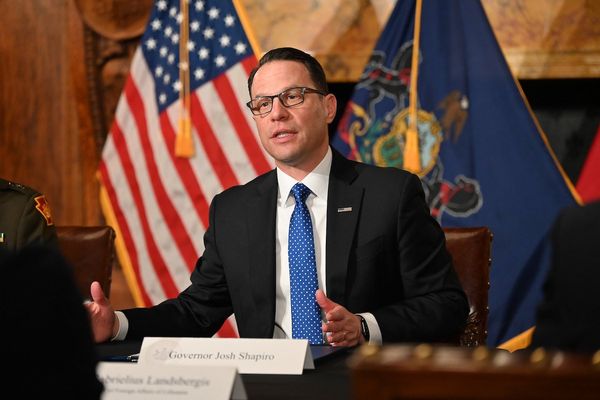
Pennsylvania governor Josh Shapiro speaks with the state flag and American flag behind him.

Two years into his term, has Gov. Shapiro kept his promises to regulate Pennsylvania’s fracking industry?

A new report assesses the administration’s progress and makes new recommendations

silhouette of people holding hands by a lake at sunset

An open letter from EPA staff to the American public

“We cannot stand by and allow this to happen. We need to hold this administration accountable.”

wildfire retardants being sprayed by plane

New evidence links heavy metal pollution with wildfire retardants

“The chemical black box” that blankets wildfire-impacted areas is increasingly under scrutiny.

Stay informed: sign up for The Daily Climate newsletter
Top news on climate impacts, solutions, politics, drivers. Delivered to your inbox week days.