Congo’s mineral wealth fuels conflict, complicating peacekeeper withdrawal

In eastern Congo, the government and public want the United Nations peacekeeping force to leave, but escalating violence and mineral-driven conflict create significant challenges for its planned exit.

Sam Mednick and Ruth Alonga report for The Associated Press.


In short:

  • Congo’s eastern region, rich in minerals vital to global tech, is marred by conflicts involving numerous armed groups, including the Rwandan-backed M23.
  • The U.N. force, MONUSCO, struggles to provide effective security, as many locals express frustration with its limited defensive operations.
  • Delays in the U.N. withdrawal, originally set for December, stem from fears of a security vacuum that could further endanger millions of displaced civilians.

Key quote:

"You can see that MONUSCO is there, but that’s in name only ... People are dying, but it does nothing."

— Maombie Aline, a displaced person in Goma

Why this matters:

Congo's eastern violence is partly driven by global demand for minerals like cobalt and tantalum, essential in electronics. As the U.N. struggles to stabilize the region, mineral smuggling and foreign interests intensify, leaving millions of civilians vulnerable and peace elusive.


A power plant on a sunny day with a field in the foreground

Will feds step in if Saskatchewan breaks law on phasing out coal?

The Canadian government requires provinces to shutter coal-fired power plants by 2030, but the Prairie province is refurbishing its fossil fuel fleet.

A row of wind turbines alongside a field

The real economic impact of clean energy

US energy chief Chris Wright claims that renewable energy is dragging down Europe's economy. Is that true?
A closeup of pieces of wheat bread

Breadcrumbs (literally) lay path away from fossil fuels

Researchers have developed a carbon-negative method for hydrogenation that uses bacteria fed on waste bread to generate hydrogen for chemical reactions.

The U.S. capitol building

Trump's climate silence at the longest-ever State of the Union

The president’s far-reaching speech ignored climate change but not its impacts.
Two oil and gas pump jacks against the sunset sky

Colorado's oil and gas industry is vastly underestimating methane emissions

Watching from the sky, researchers find planet-warming pollutants leaking into the atmosphere are undercounted by at least two times.
Bureau of Land Management sign for the Grand Staircase Escalante National Monument in Utah.
Credit: Melissa Kopka/BigStock Photo ID: 259884463

Former New Mexico congressman Pearce faces questions about public lands views as he seeks federal post

Democratic senators on the Energy and Natural Resources Committee keyed in on Steve Pearce's previous statements about public land selloffs.
View of the beach and palm trees from above

Florida House to consider ban on local ‘net-zero’ policies

The work that more than a dozen local governments have undertaken over the past 15 years to combat climate change could be eliminated if legislation making its way to the floor of the Florida House gets passed into law later this year.

From our Newsroom
Multiple Houston-area oil and gas facilities that have violated pollution laws are seeking permit renewals

Multiple Houston-area oil and gas facilities that have violated pollution laws are seeking permit renewals

One facility has emitted cancer-causing chemicals into waterways at levels up to 520% higher than legal limits.

Regulators are underestimating health impacts from air pollution: Study

Regulators are underestimating health impacts from air pollution: Study

"The reality is, we are not exposed to one chemical at a time.”

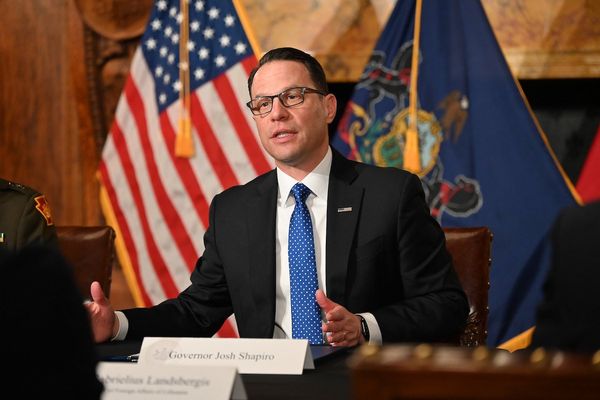
Pennsylvania governor Josh Shapiro speaks with the state flag and American flag behind him.

Two years into his term, has Gov. Shapiro kept his promises to regulate Pennsylvania’s fracking industry?

A new report assesses the administration’s progress and makes new recommendations

silhouette of people holding hands by a lake at sunset

An open letter from EPA staff to the American public

“We cannot stand by and allow this to happen. We need to hold this administration accountable.”

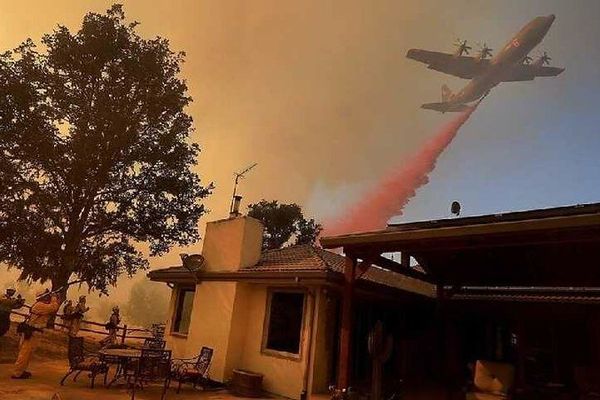
wildfire retardants being sprayed by plane

New evidence links heavy metal pollution with wildfire retardants

“The chemical black box” that blankets wildfire-impacted areas is increasingly under scrutiny.

Stay informed: sign up for The Daily Climate newsletter
Top news on climate impacts, solutions, politics, drivers. Delivered to your inbox week days.