Coral reefs that protect Caribbean islands from hurricanes are rapidly declining

Hurricane Beryl, which hit the Caribbean as a Category 4 storm, highlights the crucial role of coral reefs in mitigating storm damage, but these vital ecosystems are disappearing.

Benji Jones reports for Vox.


In short:

  • Coral reefs act as natural barriers, reducing wave energy and preventing flooding in Caribbean nations.
  • The area of live corals has decreased by 80% in recent decades due to climate change and human activities.
  • Without reefs, the flood risk in the Caribbean and the U.S. would increase significantly, endangering thousands more people.

Key quote:

"Without reefs, annual damages would more than double."

— Authors of the 2018 study "The global flood protection savings provided by coral reefs."

Why this matters:

Coral reefs provide essential protection against hurricanes, but their decline due to climate change weakens this natural defense. Rising ocean temperatures, acidification, and human activities are causing unprecedented rates of coral bleaching and degradation. As these reefs disappear, so too does their ability to protect coastal communities from the ravages of hurricanes.


Hoover dam on the Colorado River showing the "bathtub ring" indicative of low water levels

The Colorado River nears a worrisome threshold. These farmers are worried

Experts expect flows to soon drop to a level that could upend the byzantine “Law of the River” that has governed the river for more than a century.
A small solar panel on the balcony of a hotel

States OK solar panels for balconies. Safety guidelines haven't caught up

The “plug and play” simplicity that creates balcony solar’s appeal might not yet work safely with most household electrical systems, experts and utilities say.

A satellite image of a hurricane heading for Central America

Evidence builds showing climate change could be intensifying El Niño events

As temperatures rise in the future, the number and frequency of strong El Niños could increase even further, some experts say.

A row of glass jars with milk in them, with a sheaf of wheat in front of them

Oatly joins climate journalism campaign

The world’s largest producer of oat milk, Oatly, is pushing its customers and their governments to act on climate change, in a new milk carton campaign that's taking off in Europe and is expected in the United States within the next few months.
A view of a pump jack drilling for oil with the sunset in the background

‘Digger’ is the year’s big climate movie. This climate reporter hated it

Tom Cruise’s latest film is a crude parable about an unrepentant oil executive.
A view of a city street with smog or smoke in the air

Heatwaves, wildfires expose a third of world to extreme ozone pollution

Heatwaves and wildfires helped expose 34 percent of the world’s population to “extremely poor” ozone air quality in the first eight months of 2026, according to a European Union report says.

An image of frozen food in tupperware in a freezer

A 100-year-old freezer rule has a hidden climate cost

Frozen food worldwide is still kept at −18°C (0°F). Raising that by just three degrees could avoid 17 million tons of emissions a year, and an 18-month study found most foods stay safe and tasty.
From our Newsroom
Multiple Houston-area oil and gas facilities that have violated pollution laws are seeking permit renewals

Multiple Houston-area oil and gas facilities that have violated pollution laws are seeking permit renewals

One facility has emitted cancer-causing chemicals into waterways at levels up to 520% higher than legal limits.

Regulators are underestimating health impacts from air pollution: Study

Regulators are underestimating health impacts from air pollution: Study

"The reality is, we are not exposed to one chemical at a time.”

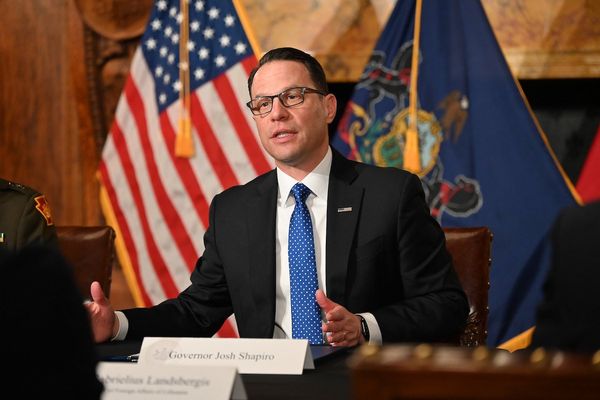
Pennsylvania governor Josh Shapiro speaks with the state flag and American flag behind him.

Two years into his term, has Gov. Shapiro kept his promises to regulate Pennsylvania’s fracking industry?

A new report assesses the administration’s progress and makes new recommendations

silhouette of people holding hands by a lake at sunset

An open letter from EPA staff to the American public

“We cannot stand by and allow this to happen. We need to hold this administration accountable.”

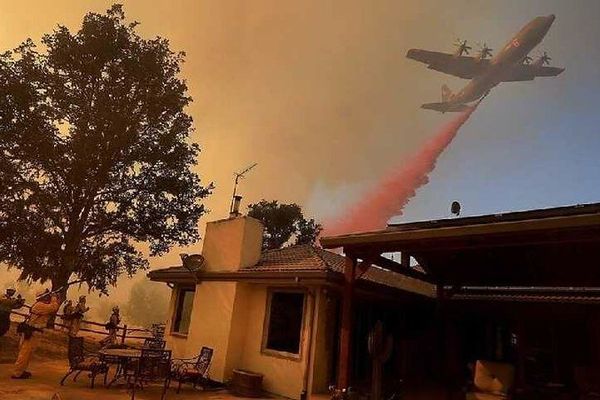
wildfire retardants being sprayed by plane

New evidence links heavy metal pollution with wildfire retardants

“The chemical black box” that blankets wildfire-impacted areas is increasingly under scrutiny.

Stay informed: sign up for The Daily Climate newsletter
Top news on climate impacts, solutions, politics, drivers. Delivered to your inbox week days.