WATCH: Coronavirus impacts to energy use, the economy, and consumer behavior

There are a lot of voices weighing in on the coronavirus pandemic. This is one worth listening to.

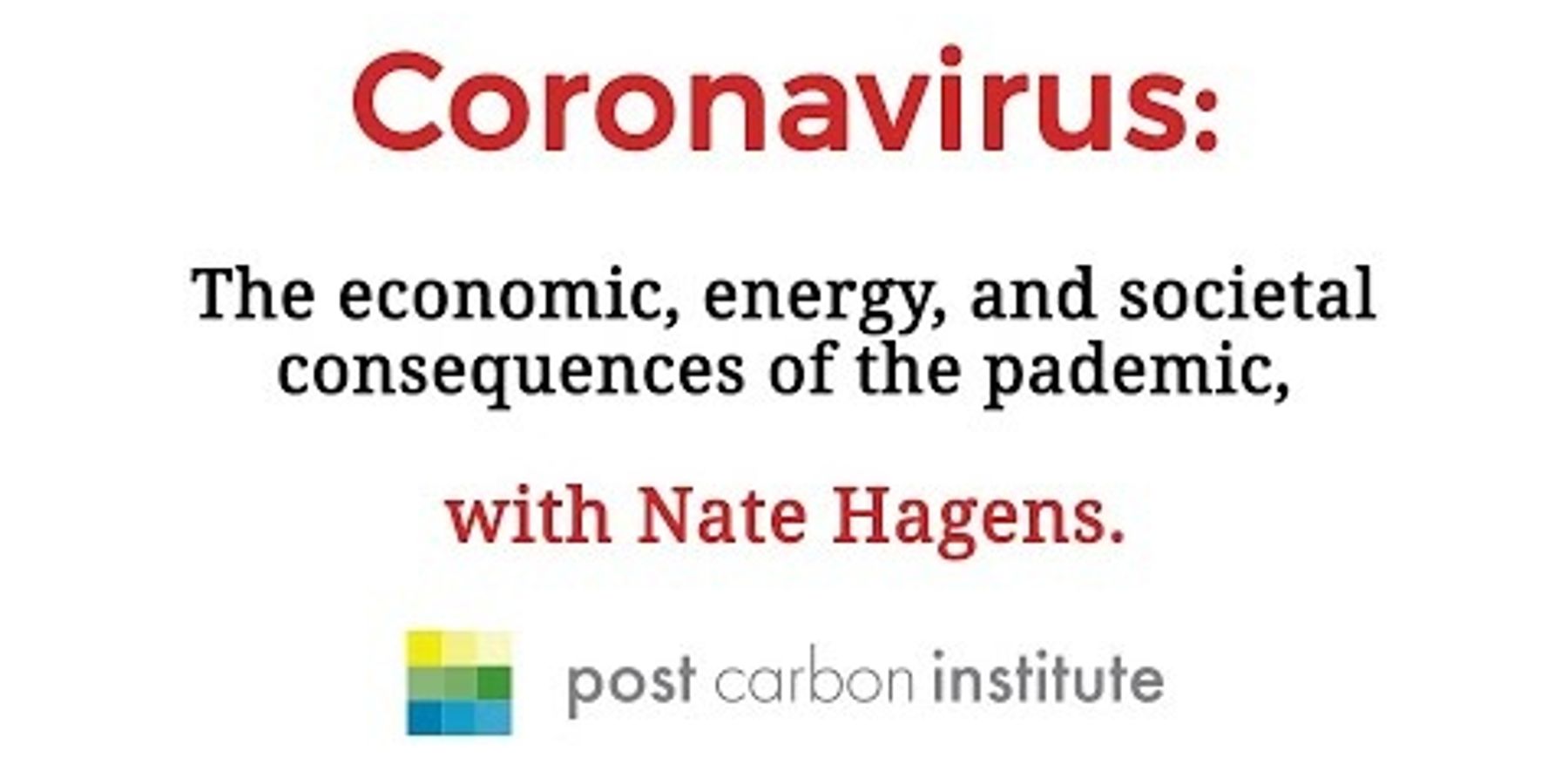
Post Carbon Institute fellow Nate Hagens this week discussed what the coronavirus pandemic's short- and long-term impacts will be to the economy, and global energy use and markets, and how society will function in its aftermath.


Hagens, a Post Carbon Institute fellow and University of Minnesota professor and researcher, points to an economy completely reliant on constant growth—and buoyed by climate change-inducing fossil fuels—as a model that will have to change.

"We've been living beyond our means for 50 years or so," Hagens said. "And the relationship between energy and finance has to recalibrate at some point."

The virus is highlighting "problems that already existed."

The conversation, with Post Carbon Institute executive director Asher Miller, winds through the long term aspects of the crisis but Hagens also gives his views on the here and now.

"The time now isn't to think how can I best prepare myself to hunker down for the long run, I think it's how can I play a role in my community not only in this challenge but in future ones," he tells Miller.

"It's a perilous time to be alive and an amazing time to be alive."

Editor's note: Yes — there is a typo in the video title. Post Carbon Institute knows! They were moving fast to get this out.
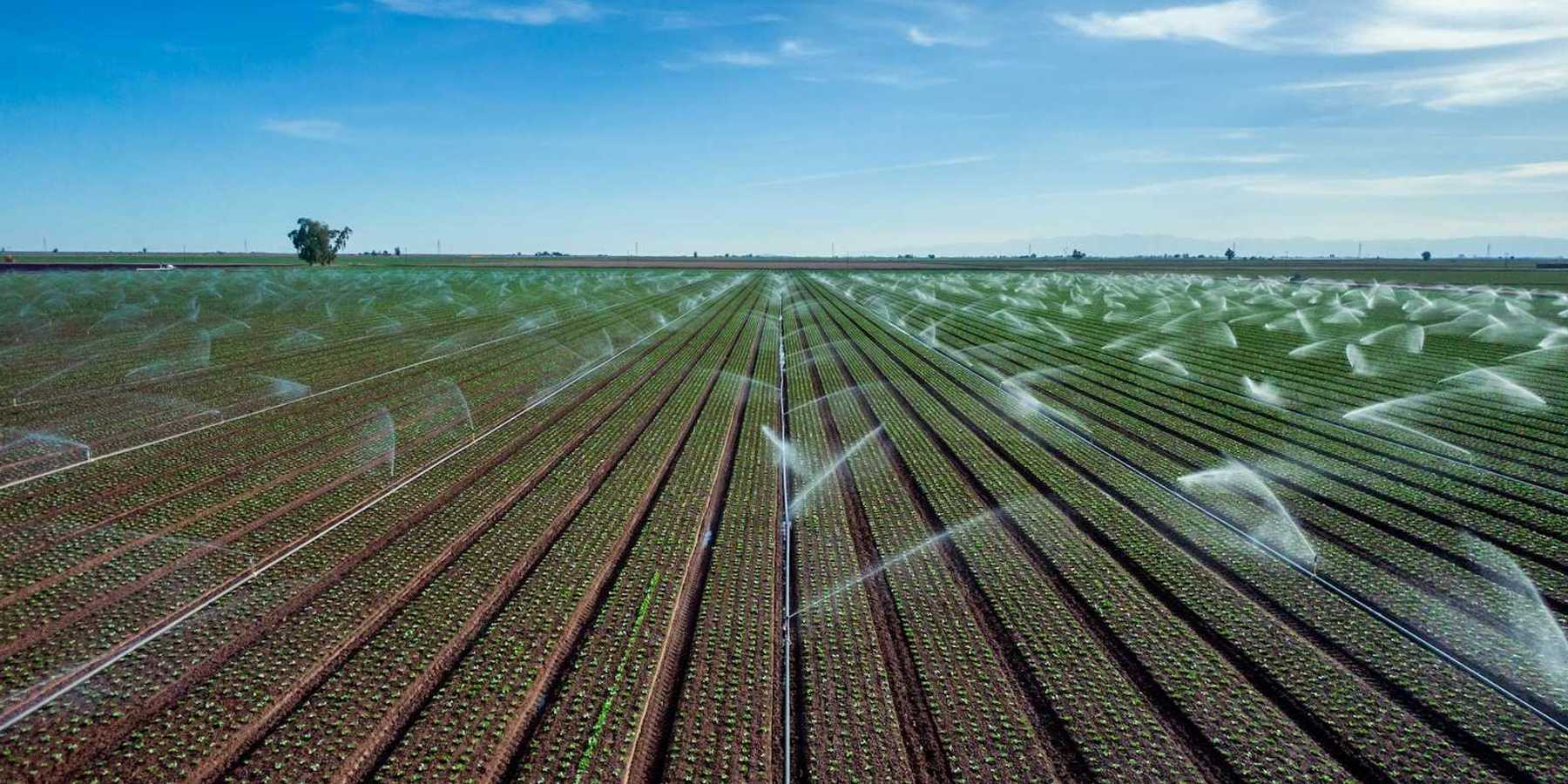

Crops under irrigation in expansive flat landscape

Colorado River crisis threatens crops, not Wyoming’s dam plans, experts say

Feds’ new plan doesn’t resolve crop-threatening water shortage and likely will end up in court, two professors reckon.
3D rendering of financial professionals reacting to looming background of a falling stock market indicators.

The stock market may have a climate change problem

The president’s favorite indicator of economic health will have to reckon with the woes of a warming planet.
Man scrubbing his own back with a long-handled brush while sitting in Mediterranean Sea water.

Climate change is cooking Europe’s oceans, scientists find

Global warming is the main driver of this year’s marine heat waves, with knock-on effects for ecosystems and extreme weather.
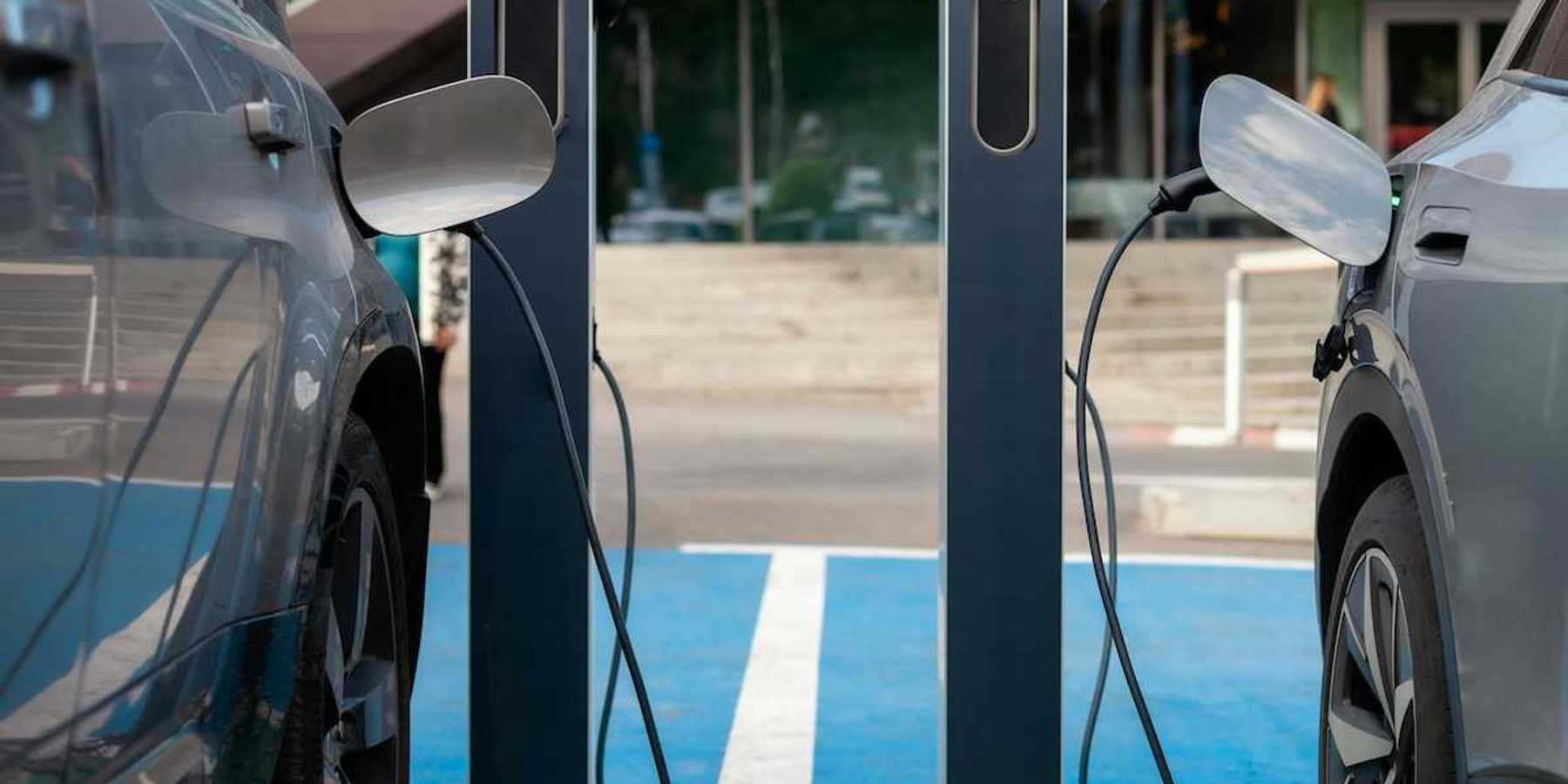
Two adjacent EVs being recharged at charging station.

E.V. sales are rising after the Gulf oil shock. Here’s where

As global fuel prices surge, electric vehicle adoption is breaking records around the world. These charts tell the story.
Flooded coastal neighborhood. Partially submerged homes and structures.

As seas rise, scientists race to save coastal marshes from drowning

A majority of coastal wetlands are on track to shift inland or disappear in the coming decades without intervention. That will have major consequences.
Farmer squatting in harvested section of corn field and adjacent to unharvested corn stalks.

How to feed the world as temperatures rise

Inside futuristic labs, plants are scanned, stressed and analyzed. The aim is to use the results to produce plant strains that can better serve a growing population in a warming world.
Londoners crossing the street in front of an iconic red double decker bus and three lanes of stopped traffic
Credit: photo.ua/BigStock Photo ID:

Ulez led to better lung size and function among London children, study finds

Researchers find lung capacity that was stunted by pollution is restored after the introduction of an ultra-low emission zone.

From our Newsroom
Multiple Houston-area oil and gas facilities that have violated pollution laws are seeking permit renewals

Multiple Houston-area oil and gas facilities that have violated pollution laws are seeking permit renewals

One facility has emitted cancer-causing chemicals into waterways at levels up to 520% higher than legal limits.

Regulators are underestimating health impacts from air pollution: Study

Regulators are underestimating health impacts from air pollution: Study

"The reality is, we are not exposed to one chemical at a time.”

Pennsylvania governor Josh Shapiro speaks with the state flag and American flag behind him.

Two years into his term, has Gov. Shapiro kept his promises to regulate Pennsylvania’s fracking industry?

A new report assesses the administration’s progress and makes new recommendations

silhouette of people holding hands by a lake at sunset

An open letter from EPA staff to the American public

“We cannot stand by and allow this to happen. We need to hold this administration accountable.”

wildfire retardants being sprayed by plane

New evidence links heavy metal pollution with wildfire retardants

“The chemical black box” that blankets wildfire-impacted areas is increasingly under scrutiny.

Stay informed: sign up for The Daily Climate newsletter
Top news on climate impacts, solutions, politics, drivers. Delivered to your inbox week days.