Corruption fuels environmental destruction and violence against Indigenous communities

Bribery, theft, and conflicts of interest are undermining climate action, enabling environmental exploitation, and driving violence against Indigenous land defenders, a new report finds.

Taylar Dawn Stagner reports for Grist.


In short:

  • A study by Transparency International links high levels of corruption to weak environmental laws, illegal resource extraction, and violent suppression of Indigenous land defenders.
  • Countries with strong democratic protections, like freedom of expression and access to information, are better equipped to combat corruption, while authoritarian regimes often facilitate exploitation.
  • Despite low corruption levels, some nations still fail to uphold Indigenous rights, leaving communities vulnerable to land grabs and environmental destruction.

Key quote:

"You can think of corruption as a tax on everyone. So it’s an additional cost to the services provided by the government."

— Oguzhan Dincer, director of the Institute for Corruption Studies at Illinois State University

Why this matters:

Corruption allows corporations and governments to sidestep environmental protections, leading to deforestation, pollution, and displacement of Indigenous communities. In many cases, land defenders who resist these forces face violence or death. Indigenous peoples, despite stewarding vast ecosystems, often lack legal protections, making their lands prime targets for exploitation. Countries with weak institutions and authoritarian rule tend to have the highest levels of corruption, exacerbating the climate crisis by prioritizing private gain over sustainable policies.

Read more:

‘Living under this constant threat’: Environmental defenders face a mounting mental health crisis
A row of solar panels with the city of Shanghai in the background

China to see solar capacity outstrip coal capacity this year

The China Electricity Council says that, by the end of 2026, wind and solar will account for nearly half of China’s power capacity.

A hand placing a seed in a pot inside a greenhouse

The US farmers saving Palestinian seeds

More than 40 growers nationwide are working to preserve heirloom seeds, along with the history, tradition, and identity they contain.
Petri dishes with meat in them

Why the future of meat production is in vats, not farms

A new book argues that "cultivated” and other alternative meats will increasingly challenge traditional ways of raising livestock.
A reservoir viewed from above with dry shores

Western U.S. cities open wallets in quest for water

Supply declines, drought risk, and population growth are pushing cities to seek new water sources.

Yellow plastic bag with fruit in it

Biodegradable plastic isn't a climate solution on its own

A new global life-cycle analysis finds that if not properly disposed of, biodegradable plastics could increase methane emissions and plastic accumulation.
An anesthesiologist placing a cup on a patient's mouth

Cutting the climate impact of anesthetic gases across Loma Linda University Health

Hospital systems are reducing greenhouse gas emissions, improving operational efficiency, and strengthening our commitment to environmental stewardship.

Doctors discussing chest xrays

How letting radiologists work remotely can help save the planet

Teleradiology can drastically reduce greenhouse gas emissions, at roughly 63% when compared to if all impacted individuals needed to travel into work every day, one academic institution estimates.  
From our Newsroom
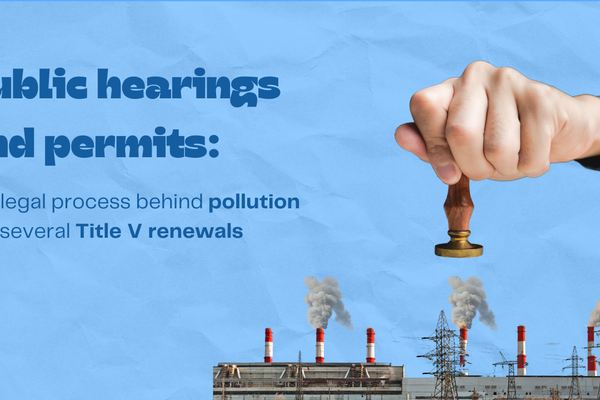
Multiple Houston-area oil and gas facilities that have violated pollution laws are seeking permit renewals

Multiple Houston-area oil and gas facilities that have violated pollution laws are seeking permit renewals

One facility has emitted cancer-causing chemicals into waterways at levels up to 520% higher than legal limits.

Regulators are underestimating health impacts from air pollution: Study

Regulators are underestimating health impacts from air pollution: Study

"The reality is, we are not exposed to one chemical at a time.”

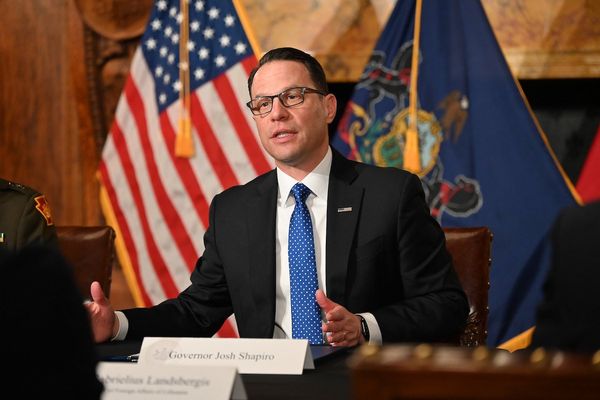
Pennsylvania governor Josh Shapiro speaks with the state flag and American flag behind him.

Two years into his term, has Gov. Shapiro kept his promises to regulate Pennsylvania’s fracking industry?

A new report assesses the administration’s progress and makes new recommendations

silhouette of people holding hands by a lake at sunset

An open letter from EPA staff to the American public

“We cannot stand by and allow this to happen. We need to hold this administration accountable.”

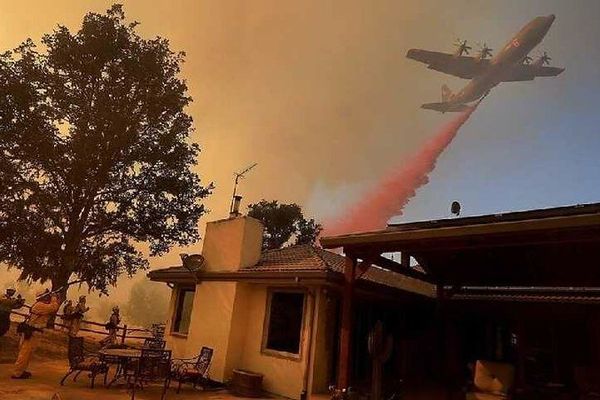
wildfire retardants being sprayed by plane

New evidence links heavy metal pollution with wildfire retardants

“The chemical black box” that blankets wildfire-impacted areas is increasingly under scrutiny.

Stay informed: sign up for The Daily Climate newsletter
Top news on climate impacts, solutions, politics, drivers. Delivered to your inbox week days.