Denmark plans world's first emissions tax on livestock

Denmark will introduce the world's first emissions tax on livestock, aiming to cut greenhouse gases from cows, pigs, and sheep starting in 2030.

Andrew Jeong reports for The Washington Post.


In short:

  • Starting in 2030, farmers will pay about $43 per metric ton of carbon dioxide equivalent produced by livestock, rising to $108 in 2035, with partial tax deductions.
  • The tax aims to reduce Denmark's emissions by 1.8 million metric tons of carbon dioxide equivalent in 2030.
  • The bill includes creating over 600,000 acres of new forests and supports the agriculture sector’s green transition.

Key quote:

"We will be the first country in the world to introduce a real [carbon dioxide equivalent tax] on agriculture."

— Jeppe Bruus, Danish Tax Minister in a statement.

Why this matters:

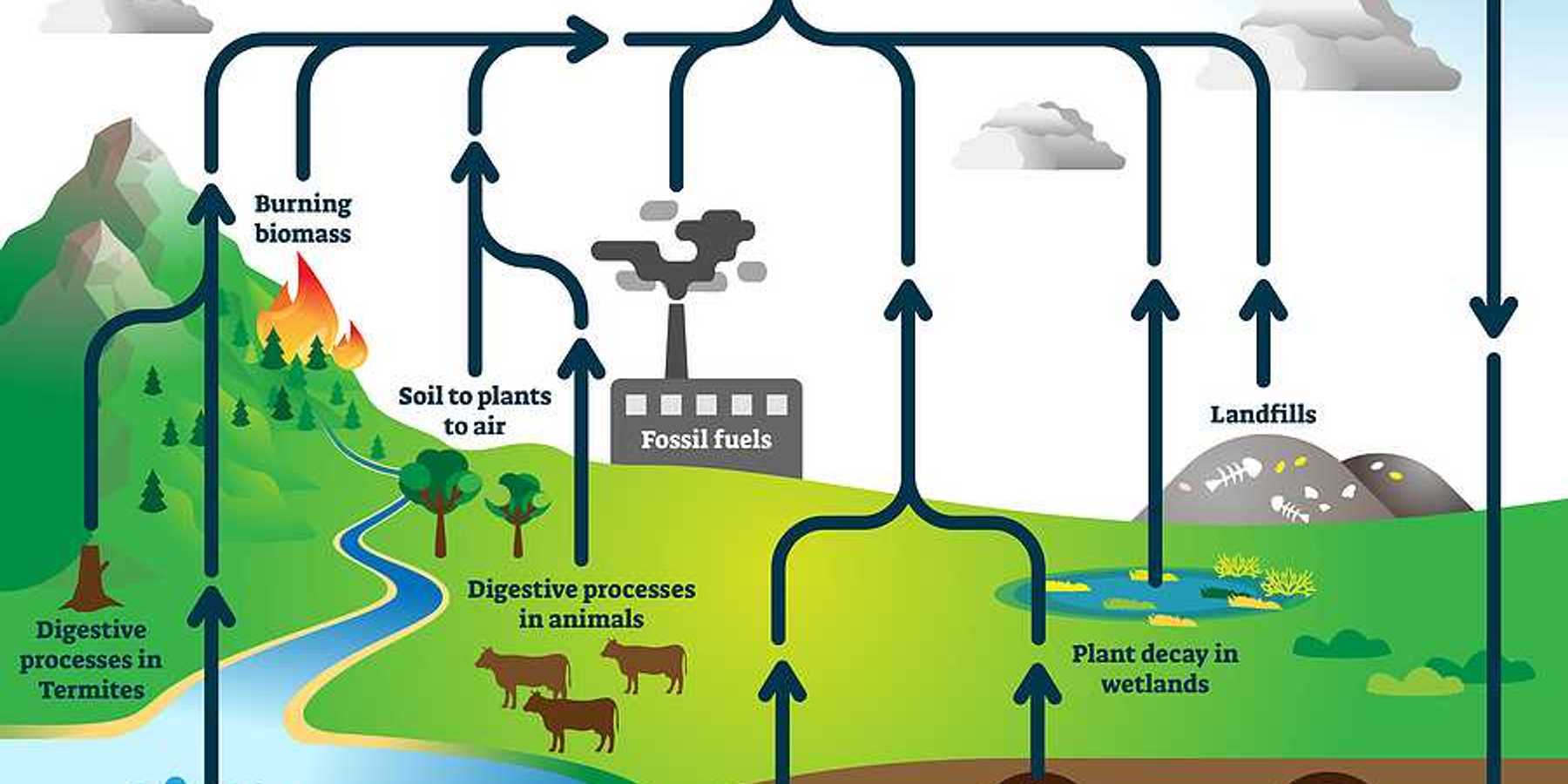
Methane, produced through digestion in ruminant animals like cows and sheep, has a much higher heat-trapping ability than carbon dioxide on the short term, making livestock farming a critical area for climate action. In fact, the sector represents between 14 to 19% of all global emissions. By imposing this tax, Denmark aims to incentivize farmers to adopt more sustainable practices and reduce the environmental impact of their livestock operations.

A fireman walking away from a firetruck toward a grass fire

As climate-fueled wildfires rage, Mark Carney cuts emergency response and funds fossil fuels

The prime minister should consider the potential outcomes of siding with his Bay Street buddies and oil industry bigwigs over climate-beleaguered Canadians.
A person using a tablet to complete a survey

A majority of Americans don’t actually fit either climate camp

An analysis of 20 years of polling data shows how age, education and income — in addition to political affiliation — shape views on climate policy.

A view of many offshore wind turbines with the setting sun in the distance

The sea life making a home in offshore wind farms

Offshore wind farms can pose risks to birds and marine life, but their foundations also serve as artificial reefs, offering essential habit.

A closeup of a tiger shark with large teeth

Tiger shark caught off Massachusetts a sign of warmer seas

Nate Rouette and his brother went shark fishing on Cape Cod and were shocked by what they reeled in — a tropical species of shark with a reputation for eating everything it can swallow.

A fireman directs a water stream at a burning house

Urban firestorm devastates Spokane, Washington as dense smoke envelops the Northwest

Climate change, combined with development in high-risk areas, is making urban wildfires more likely.
A view of electricity towers with blue wires stretching into the distance against a red sky during sunset

The state that's beating dirty electricity

Abundant sunshine and smart policy have made New Mexico’s grid far more climate-friendly. 
A man welding a piece of metal onto a boat

Extreme heat costs the poorest workers their health and wages

When temperatures soar across Asia's cities, informal workers face a choice: risk their health or lose their income. For many, the effects don't end when the workday is over.
From our Newsroom
Multiple Houston-area oil and gas facilities that have violated pollution laws are seeking permit renewals

Multiple Houston-area oil and gas facilities that have violated pollution laws are seeking permit renewals

One facility has emitted cancer-causing chemicals into waterways at levels up to 520% higher than legal limits.

Regulators are underestimating health impacts from air pollution: Study

Regulators are underestimating health impacts from air pollution: Study

"The reality is, we are not exposed to one chemical at a time.”

Pennsylvania governor Josh Shapiro speaks with the state flag and American flag behind him.

Two years into his term, has Gov. Shapiro kept his promises to regulate Pennsylvania’s fracking industry?

A new report assesses the administration’s progress and makes new recommendations

silhouette of people holding hands by a lake at sunset

An open letter from EPA staff to the American public

“We cannot stand by and allow this to happen. We need to hold this administration accountable.”

wildfire retardants being sprayed by plane

New evidence links heavy metal pollution with wildfire retardants

“The chemical black box” that blankets wildfire-impacted areas is increasingly under scrutiny.

Stay informed: sign up for The Daily Climate newsletter
Top news on climate impacts, solutions, politics, drivers. Delivered to your inbox week days.