Disaster disparities affect Western communities

Recent storms in Southern California indicate a future with more intense and infrequent precipitation, highlighting the risk of climate catastrophes.

Natalia Mesa reports for High Country News.


In short:

  • Climate change exacerbates the intensity of weather events, with Southern California at risk of increased floods.
  • FEMA data reveals communities of color and low-income neighborhoods face higher natural hazard risks.
  • Effective risk communication and community resilience are crucial for vulnerable populations.

Key quote:

“There’s these systems of oppression that have existed and continue to evolve over time, things like racism, sexism, colonialism that have led certain populations to be at a higher risk to hazards and disasters.”

— Nnenia Campbell, research associate with the Natural Hazards Center at the University of Colorado Boulder

Why this matters:

Marginalized communities, including those with lower income levels, racial and ethnic minorities, and Indigenous groups often bear the brunt of climate-related hazards more severely than more affluent, mainstream populations.

Over the past century, exploitative practices not only unjustly concentrated climate disasters in communities of color, but are now barring those same communities from clean energy resources essential for weathering the storm.
A view from below looking up at a wind turbine

Alberta, once a hotspot for renewable energy projects, sees investment 'plummet’

Corporate investment fell 99% after Alberta’s pause on new renewable energy development, as the industry faces ongoing policy uncertainty.

A view at dusk of highways leading into an urban downtown with skyscapers

Houston plans to hit UN climate targets despite Paris Agreement exit

Houston has its own Climate Action Plan to meet Paris Agreement targets, set in motion when Trump announced his first withdrawal from the UN treaty in 2017.
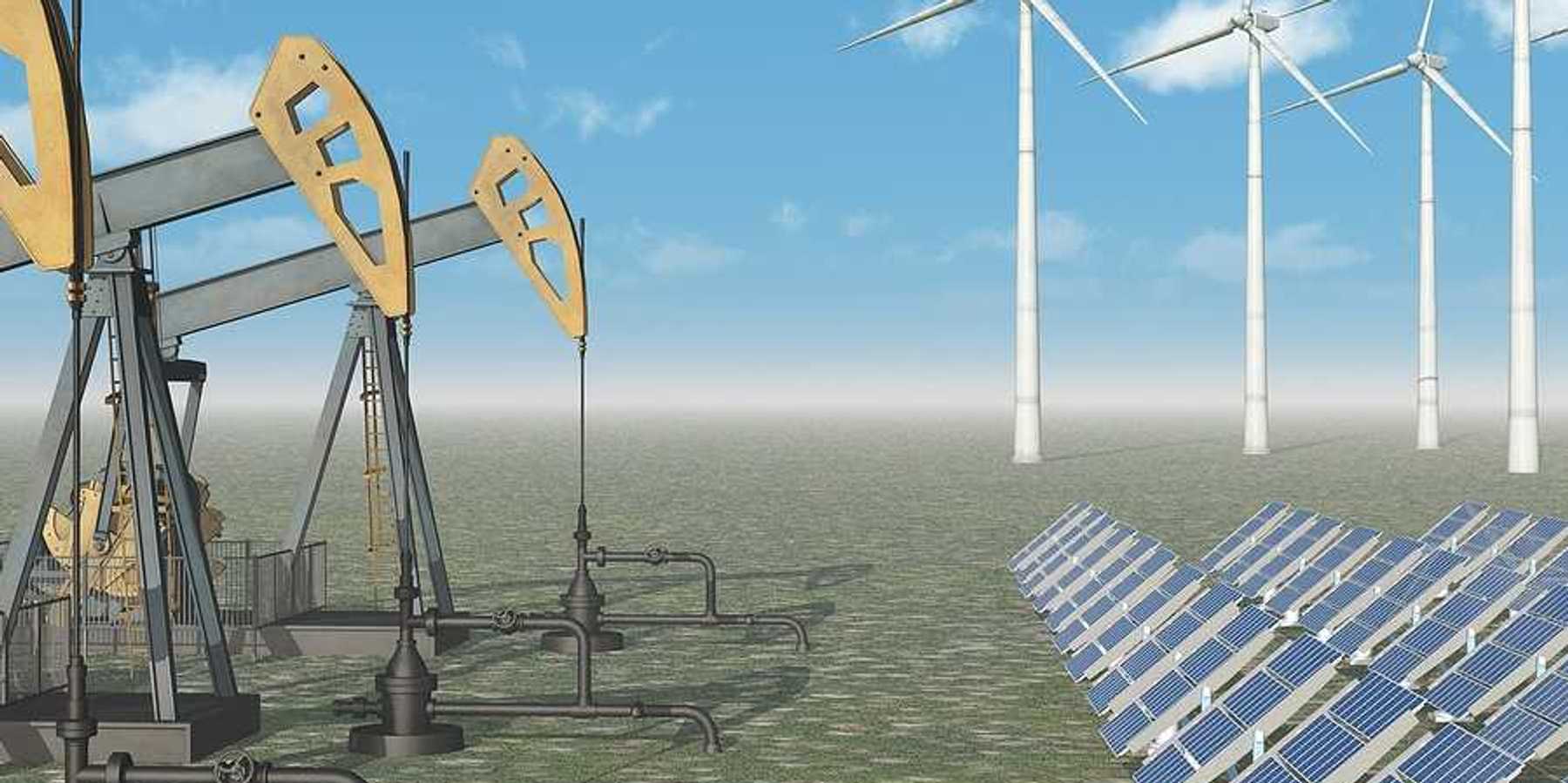
An illustration of a row of solar panels and wind turbines

The one big beautiful prediction: The energy transition is still alive

Trump has attacked renewable power from every angle, but energy justice scholar Sanya Carley envisions an affordable green future.
a yellow wind turbine sitting on top of a tarmac

Trump destroyed offshore wind. The Northeast can’t live without it

To keep the lights on, states like New York and Massachusetts will need to build projects that are currently “impossible.”
Oil pump jacks silhouetted against a blue sky

OK state senator seeks to rein in oil companies’ groundwater pollution

An investigation found over 150 incidents where oilfield wastewater had gushed from the earth, releasing toxic chemicals — including some that cause cancer — near homes and farms and into drinking water sources.

Clock approaching midnight superimposed over a world map
Credit: chughes/ BigStock Photo ID: 20162111

'Doomsday Clock' advances to 85 seconds till midnight

A science-oriented advocacy group moved its “Doomsday Clock” to 85 seconds to midnight, saying the Earth is closer than ever to destruction.
Aerial view of Marcellus Shale fracking well in Pennsylvania
Copyright: shutterrudder/BigStock Photo ID: 53059774

Despite limited interest in drilling on federal land, US Forest Service ‘streamlines’ oil and gas leasing rules

The U.S. Forest Service announced revisions to its oil and gas leasing rules today that the agency promises “modernizes and streamlines” the permitting process to drill for fossil fuels in the nation’s forests and grasslands.

From our Newsroom
Multiple Houston-area oil and gas facilities that have violated pollution laws are seeking permit renewals

Multiple Houston-area oil and gas facilities that have violated pollution laws are seeking permit renewals

One facility has emitted cancer-causing chemicals into waterways at levels up to 520% higher than legal limits.

Regulators are underestimating health impacts from air pollution: Study

Regulators are underestimating health impacts from air pollution: Study

"The reality is, we are not exposed to one chemical at a time.”

Pennsylvania governor Josh Shapiro speaks with the state flag and American flag behind him.

Two years into his term, has Gov. Shapiro kept his promises to regulate Pennsylvania’s fracking industry?

A new report assesses the administration’s progress and makes new recommendations

silhouette of people holding hands by a lake at sunset

An open letter from EPA staff to the American public

“We cannot stand by and allow this to happen. We need to hold this administration accountable.”

wildfire retardants being sprayed by plane

New evidence links heavy metal pollution with wildfire retardants

“The chemical black box” that blankets wildfire-impacted areas is increasingly under scrutiny.

Stay informed: sign up for The Daily Climate newsletter
Top news on climate impacts, solutions, politics, drivers. Delivered to your inbox week days.