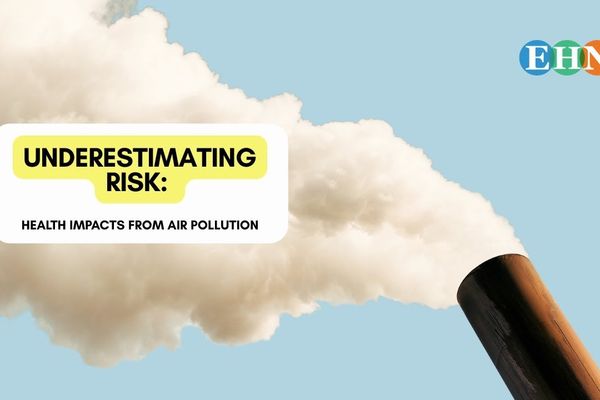
Duke Energy pushes to weaken pollution rules on coal and greenhouse gases

Duke Energy and other utilities have asked the Trump administration to roll back Biden-era regulations on coal ash disposal and greenhouse gas emissions, arguing they are costly and unworkable.

Emily L. Mahoney reports for Tampa Bay Times.


In short:

  • The Biden administration’s rules require coal plants to cut emissions or close by 2032 and mandate that new natural gas plants reduce carbon dioxide emissions by 90%. Utilities say the rules force them to adopt expensive, untested carbon capture technology.
  • The second regulation expands coal ash disposal rules to more power plants, aiming to curb contamination from toxic chemicals like arsenic. Utilities claim this exceeds regulatory authority and increases costs.
  • Environmental advocates argue these rules are needed to protect public health and the environment.

Key quote:

“The public record reveals that nearly all coal plants have contaminated groundwater with dangerous toxic chemicals above federal standards. Any new regulation proposed by the Trump administration will have to address this alarming situation.”

— Lisa Evans, senior counsel at Earthjustice

Why this matters:

Scientists warn that continued reliance on fossil fuels, particularly coal, is incompatible with efforts to curb global warming. Despite these risks, some utilities continue to resist stricter environmental regulations. Industry groups argue that tougher rules on coal ash disposal and carbon emissions would be costly and could disrupt power supplies. But delays in adopting cleaner energy sources leave communities vulnerable — not only to the long-term consequences of climate change but also to immediate health risks from toxic waste and polluted air.

Related: North Carolina town takes utility giant to court over climate inaction
A view of forested mountains

In northeastern North America, alpine zones are turning green

Using satellite data, scientists have detected where once-stable alpine ecosystems are transforming into greener, shrubbier places.
A group of Bangladeshi women dressed in traditional garb

Bangladesh’s climate migrants are arriving in cities unprepared to protect them

Disasters displaced 2.4 million people within Bangladesh in 2024, as the International Monetary Fund predicts that rising seas could eliminate more than one-seventh of Bangladesh’s land area and nearly one-third of its food production by 2050.

A table with types of food including eggs, butter and fruit

Which protein is best for the planet and your health?

A new rating system combines a “planet score” and a “people score” to see past confusing eco-labels. Tofu came out on top, and steak and cheese at the bottom.
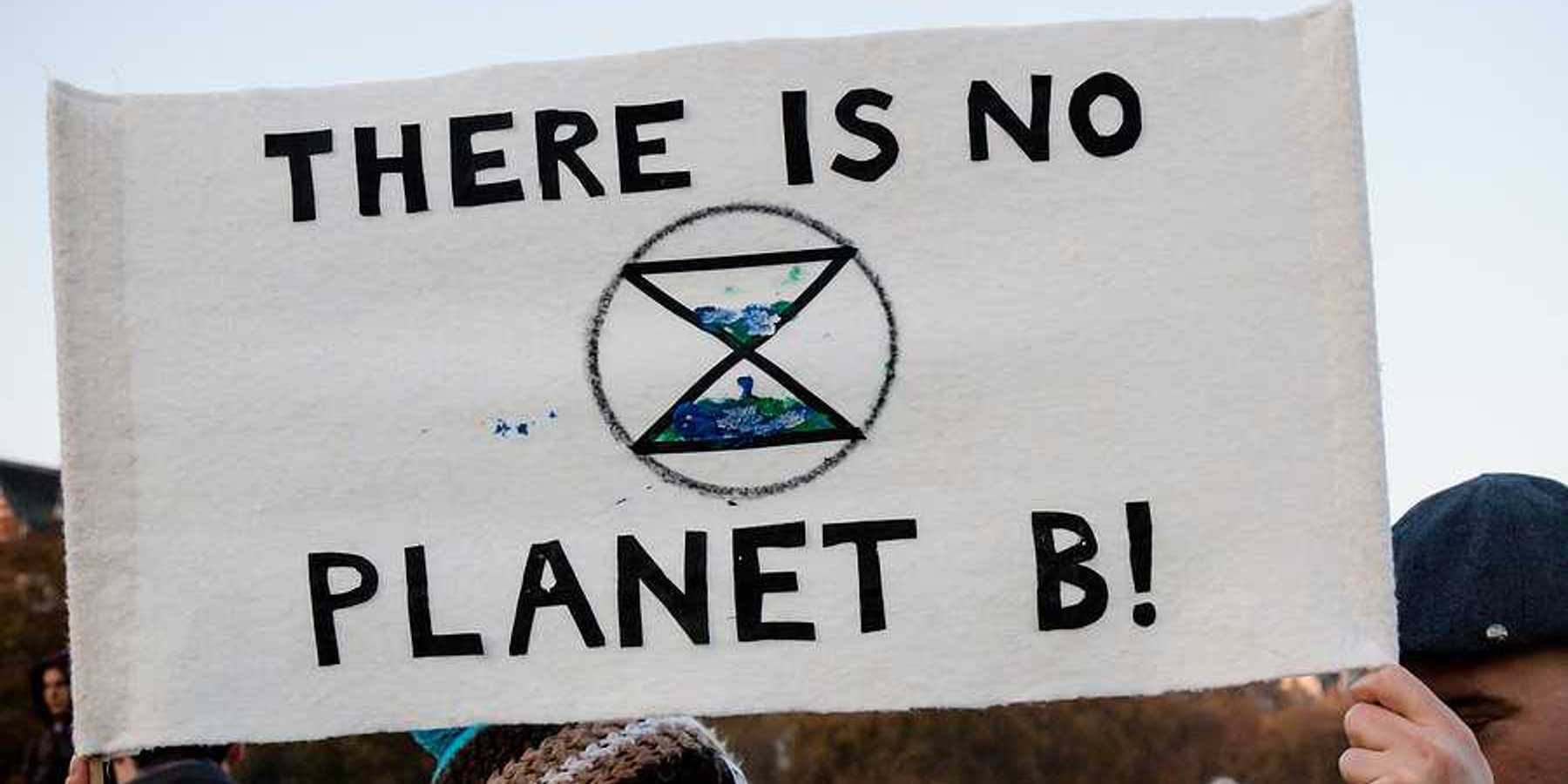
A person holding a sign at a protest saying There is no planet b!

Photographic duo Michele Borzoni and Rocco Rorandelli document the youth protesting for a safer planet

Silent Springs zooms in on the young activists confronting climate change through civil disobedience, solidarity, and collective action.
A view of a city skyline with a freeway heading toward it

A landmark youth climate trial against the Canadian government is about to begin

The trial comes as Canada rolls back climate policies. A new government report warns the country could experience 5 degrees Celsius of warming under current emissions trajectories.

A man putting his vote in a ballot box in the U.S.

Data centers are ‘front and center’ in Pennsylvania’s competitive congressional elections

But with bipartisan opposition growing, it’s still unclear how the issue will affect the midterm results.
Power and fuel generation in the Czech Republic

Losing ground in the climate fight

From Brazil to the North Sea, economic interests have been edging out climate priorities this week.
From our Newsroom
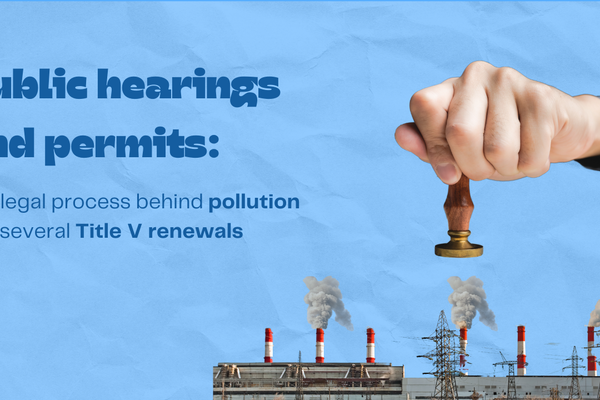
Multiple Houston-area oil and gas facilities that have violated pollution laws are seeking permit renewals

Multiple Houston-area oil and gas facilities that have violated pollution laws are seeking permit renewals

One facility has emitted cancer-causing chemicals into waterways at levels up to 520% higher than legal limits.

Regulators are underestimating health impacts from air pollution: Study

Regulators are underestimating health impacts from air pollution: Study

"The reality is, we are not exposed to one chemical at a time.”

Pennsylvania governor Josh Shapiro speaks with the state flag and American flag behind him.

Two years into his term, has Gov. Shapiro kept his promises to regulate Pennsylvania’s fracking industry?

A new report assesses the administration’s progress and makes new recommendations

silhouette of people holding hands by a lake at sunset

An open letter from EPA staff to the American public

“We cannot stand by and allow this to happen. We need to hold this administration accountable.”

wildfire retardants being sprayed by plane

New evidence links heavy metal pollution with wildfire retardants

“The chemical black box” that blankets wildfire-impacted areas is increasingly under scrutiny.

Stay informed: sign up for The Daily Climate newsletter
Top news on climate impacts, solutions, politics, drivers. Delivered to your inbox week days.