Elon Musk’s AI firm running unpermitted gas generators near Memphis neighborhoods

Elon Musk’s xAI has nearly doubled its use of methane-burning generators at a Memphis facility without required permits, drawing public outcry and legal warnings.

Dara Kerr reports for The Guardian.


In short:

  • A local advocacy group says xAI is using 35 methane gas turbines at its Memphis facility, despite applying for permits for only 15.
  • The Southern Environmental Law Center warns the unpermitted generators violate the Clean Air Act and emit harmful pollutants near historically Black neighborhoods.
  • Residents are demanding action, citing health risks and a history of industrial pollution in the area.

Key quote:

“xAI has essentially built a power plant in South Memphis with no oversight, no permitting, and no regard for families living in nearby communities.”

— Amanda Garcia, senior attorney, Southern Environmental Law Center

Why this matters:

The unchecked expansion of energy-hungry AI infrastructure is colliding with long-standing environmental justice concerns in Memphis, where industrial pollution has already harmed residents for decades.xAI’s use of unpermitted methane gas turbines in a predominantly Black neighborhood already suffering elevated cancer and asthma rates raises alarms about regulatory gaps and the consequences of rapid AI development. What’s happening in Memphis reflects a broader, and increasingly urgent, question: who pays the price for artificial intelligence? As massive data centers are rolled out at record speed — often in places with cheap power and minimal oversight — the environmental and health risks are frequently pushed onto communities with the least capacity to resist.

Read more: Musk’s AI facility in Memphis accused of polluting Black neighborhoods
United States Environmental Protection Agency (EPA) sign at the headquarters building in Washington, DC.
Credit: marcnorman/ BigStock Photo ID: 21123533

EPA cuts top executive jobs under Trump’s reorganization

The reduction in the agency’s leadership ranks comes amid an internal restructuring and exodus of thousands of employees.
Pumpjacks extracting oil from an oilfield in Kern County, CA.
Credit: Christopher Halloran/ BigStock Photo ID: 59467763

Top U.S. oil lobby API targets landmark EU climate law, policy document shows

The declaration coincides with U.S. fossil fuel companies’ use of Trump’s trade tensions and international discord to undermine EU climate laws.
Firefighters fight a blaze

Increased autism risk linked to exposure to wildfire smoke during pregnancy

In a first-of-its-kind study published in Environmental Science and Technology, researchers found that mothers who were exposed to wildlife smoke during the third trimester of pregnancy were more likely to have children diagnosed with autism by age 5.


In short:

  • More frequent exposure to wildlife smoke during pregnancy was associated with a higher risk of autism in children.
  • The study analyzed more than 200,000 mother-child pairs in Southern California between 2006 to 2014; nearly 60% of them were exposed to wildfire smoke for more than 5 days during pregnancy.
  • The authors also found that prenatal exposure to particulate matter air pollution from a variety of sources — not just wildfires — is associated with an increased risk of autism in children.


Key quote:

“As climate change increases the frequency and intensity of wildfires in many parts of the world, understanding their relationship with autism is important to being able to develop preventive policy and interventions that will protect pregnant women and their children.”

- Study co-author Mostafijur Rahman, via Tulane University’s accompanying press release


Why this matters:

As climate change continues to impact global weather patterns, wildfires have become increasingly intense and frequent. Their impact on air pollution is significant - in California, wildfires account for over 70% of the fine particulate matter exposure on days with poor air quality. Environmental hazards that affect the health of pregnant people and their children can have long-term and severe outcomes. The authors of this study underscore the need for policies that protect vulnerable populations from air pollution and reduce the inequality in its health impacts.


Related EHN coverage:


More resources:

Luglio, David et al. for Environmental Science & Technology. Jan. 20, 2026
trees beside ocean under cloudy sky during sunset

Quatsino leads the charge on renewable energy

On Vancouver Island, Quatsino First Nation is completing a 150-kW solar project, piloting tidal power and partnering with a wind farm in its push for renewable energy.

Blue-green sea water with a mediterranean village on the hills above the water

‘We're tired of counting damages’: Call for climate funds after landslide devastates Sicilian town

Environmental groups are warning that Italy’s lack of investment in climate mitigation is leaving communities dangerously exposed, after a cyclone forced more than 1,500 people from their homes in southern Sicily.

Two firemen sitting in a vehicle

More than 87m people impacted by climate-related disasters in 2025

In 2025, more than 200 climate-related disasters affected more than 87.8 million people worldwide, according to preliminary figures from the International Disaster Database.

fire danger moderate today signage

Climate news is written in a language most people can't understand

A new report argues that English-only climate science and disaster alerts are excluding most of the world, and putting Indigenous communities at greater risk.
From our Newsroom
Multiple Houston-area oil and gas facilities that have violated pollution laws are seeking permit renewals

Multiple Houston-area oil and gas facilities that have violated pollution laws are seeking permit renewals

One facility has emitted cancer-causing chemicals into waterways at levels up to 520% higher than legal limits.

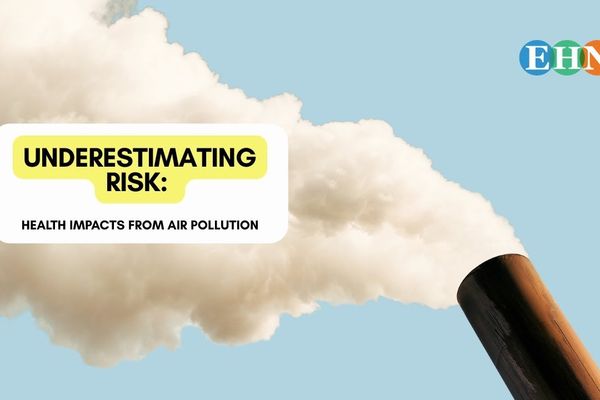
Regulators are underestimating health impacts from air pollution: Study

Regulators are underestimating health impacts from air pollution: Study

"The reality is, we are not exposed to one chemical at a time.”

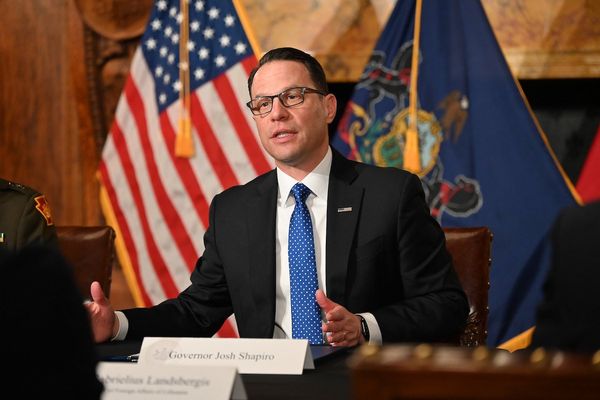
Pennsylvania governor Josh Shapiro speaks with the state flag and American flag behind him.

Two years into his term, has Gov. Shapiro kept his promises to regulate Pennsylvania’s fracking industry?

A new report assesses the administration’s progress and makes new recommendations

silhouette of people holding hands by a lake at sunset

An open letter from EPA staff to the American public

“We cannot stand by and allow this to happen. We need to hold this administration accountable.”

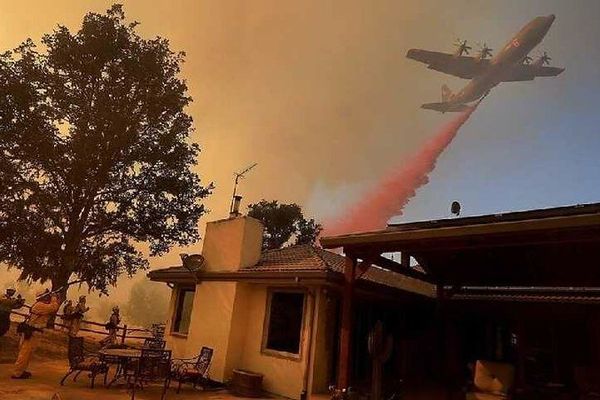
wildfire retardants being sprayed by plane

New evidence links heavy metal pollution with wildfire retardants

“The chemical black box” that blankets wildfire-impacted areas is increasingly under scrutiny.

Stay informed: sign up for The Daily Climate newsletter
Top news on climate impacts, solutions, politics, drivers. Delivered to your inbox week days.