EPA chief Lee Zeldin defends freezing $20B in climate grants, citing alleged conflicts

U.S. Environmental Protection Agency Administrator Lee Zeldin on Monday defended his decision to halt $20 billion in climate funding, accusing media and courts of ignoring evidence of misconduct among grant recipients.

Jean Chemnick reports for E&E News.


In short:

  • Lee Zeldin accused nonprofit climate grantees of conflicts of interest, mismanagement, and being unqualified, and has moved to cancel their awards despite federal judges finding insufficient evidence of wrongdoing.
  • A D.C. federal judge ordered EPA and Citibank to temporarily release some frozen funds to the nonprofits, citing a lack of "adequate evidence" from the agency, but that order was quickly stayed pending appeal.
  • Six of the eight impacted nonprofits are suing the EPA, and a decision on whether they can access funds for ongoing work is expected soon from the appellate court.

Key quote:

“Agencies do not have unlimited authority to further a president’s agenda.”

— Judge Mary McElroy, U.S. District Court for Rhode Island

Why this matters:

The Greenhouse Gas Reduction Fund was created to support renewable energy and climate resilience projects, especially in underserved communities. Halting nearly $20 billion in grants delays critical efforts to transition to clean energy, improve public health, and reduce emissions. At stake are programs that provide low-cost financing for zero-emissions buildings and transportation — initiatives that could help shield communities from rising energy costs and climate impacts. The legal battles also expose how changes in federal leadership can disrupt multibillion-dollar programs, undermining the stability and continuity needed for long-term climate planning. With courts now weighing whether the EPA acted within its authority or overstepped, the outcome will shape how environmental policy is implemented and challenged in future administrations.

For more: Trump EPA’s fraud claims stall in court as green bank funding freeze drags on
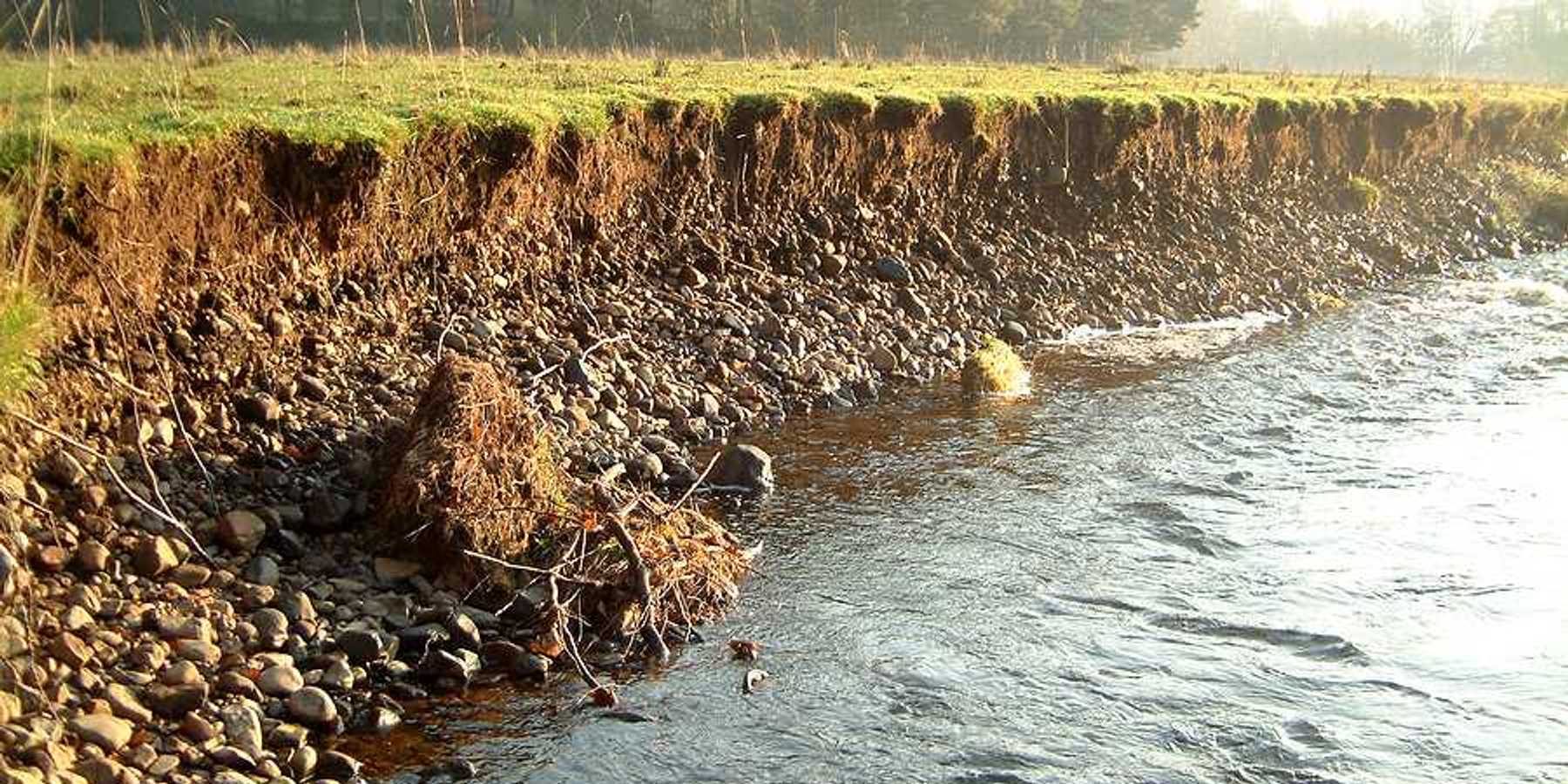
A view of a riverbank that has been eroded by high water

Losing ground: Vermont’s struggle against river erosion

River erosion causes the vast majority of the state’s flood damage; the problem is getting worse, while many Vermonters remain in harm’s way.

An illustration of a computer's mother board with zeros and ones floating above it

What if digitalization isn’t the climate fix we imagined?

Going digital is often assumed to be a modern, efficient strategy that will save energy and resources. Thirty years of data from the world’s largest economies suggest the energy needed to power them has so far outweighed the savings.

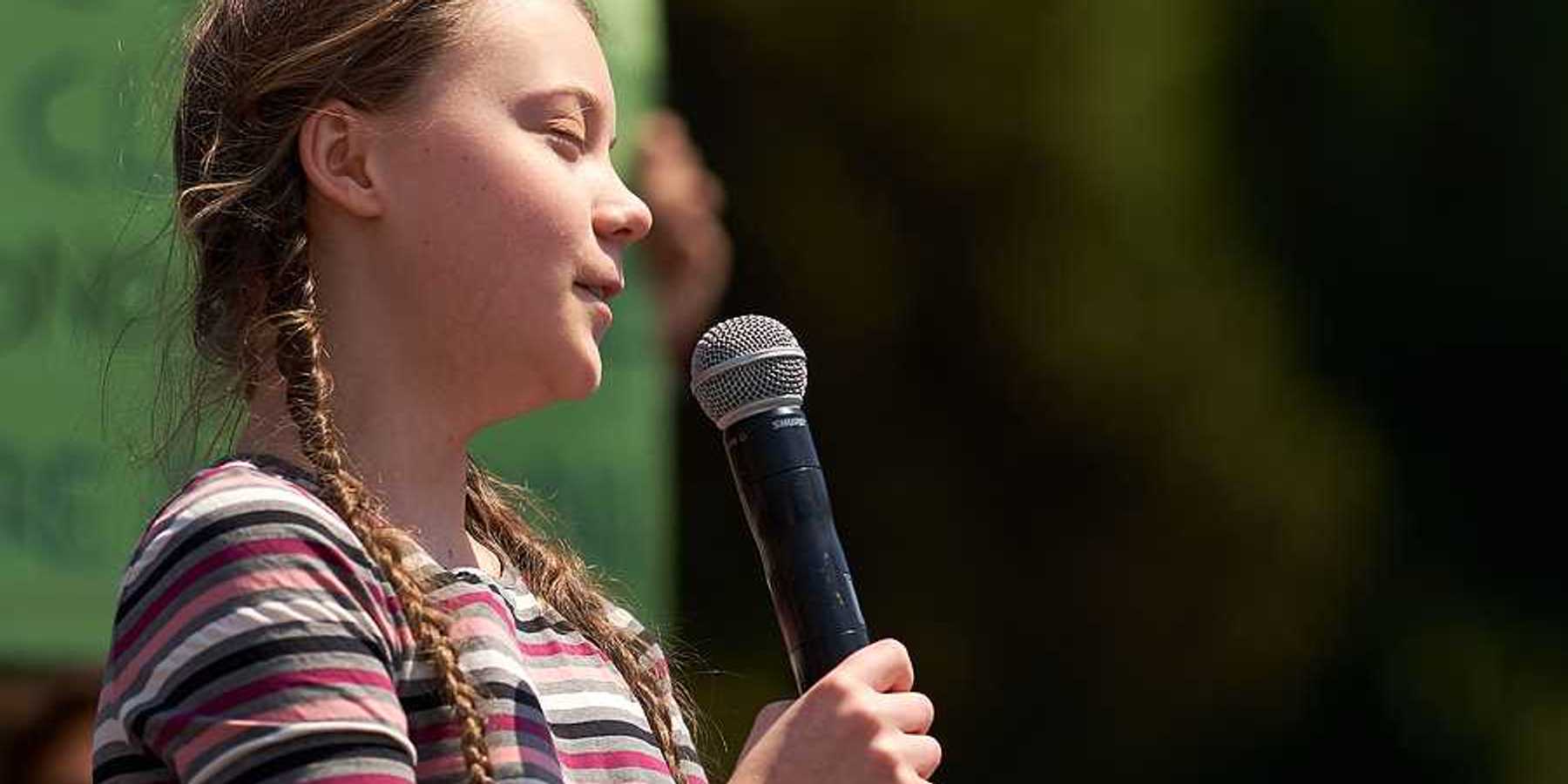
A view of Greta Thunberg speaking into a microphone

Greta Thunberg arrives at COP31, calls for structural changes to tackle climate crisis

Greta Thunberg has arrived at the U.N. climate meeting in Turkey, emphasizing the need to prioritize people and the planet over profits.
A closeup of a man in a striped shirt holding a blue fishing net on a beach

Revisiting El Bosque, the “success story” of climate displacement

Lessons learned from a rushed resettlement in Mexico underscore what governments owe to climate-displaced communities—not only after homes wash away, but also long before.

Two Black women sitting at a table listening to a presentation

ExxonMobil carbon storage project faces opposition in Texas

Texas now issues permits for companies to store carbon dioxide underground; East Texas residents fear safety risks, and skeptics doubt the climate benefits.

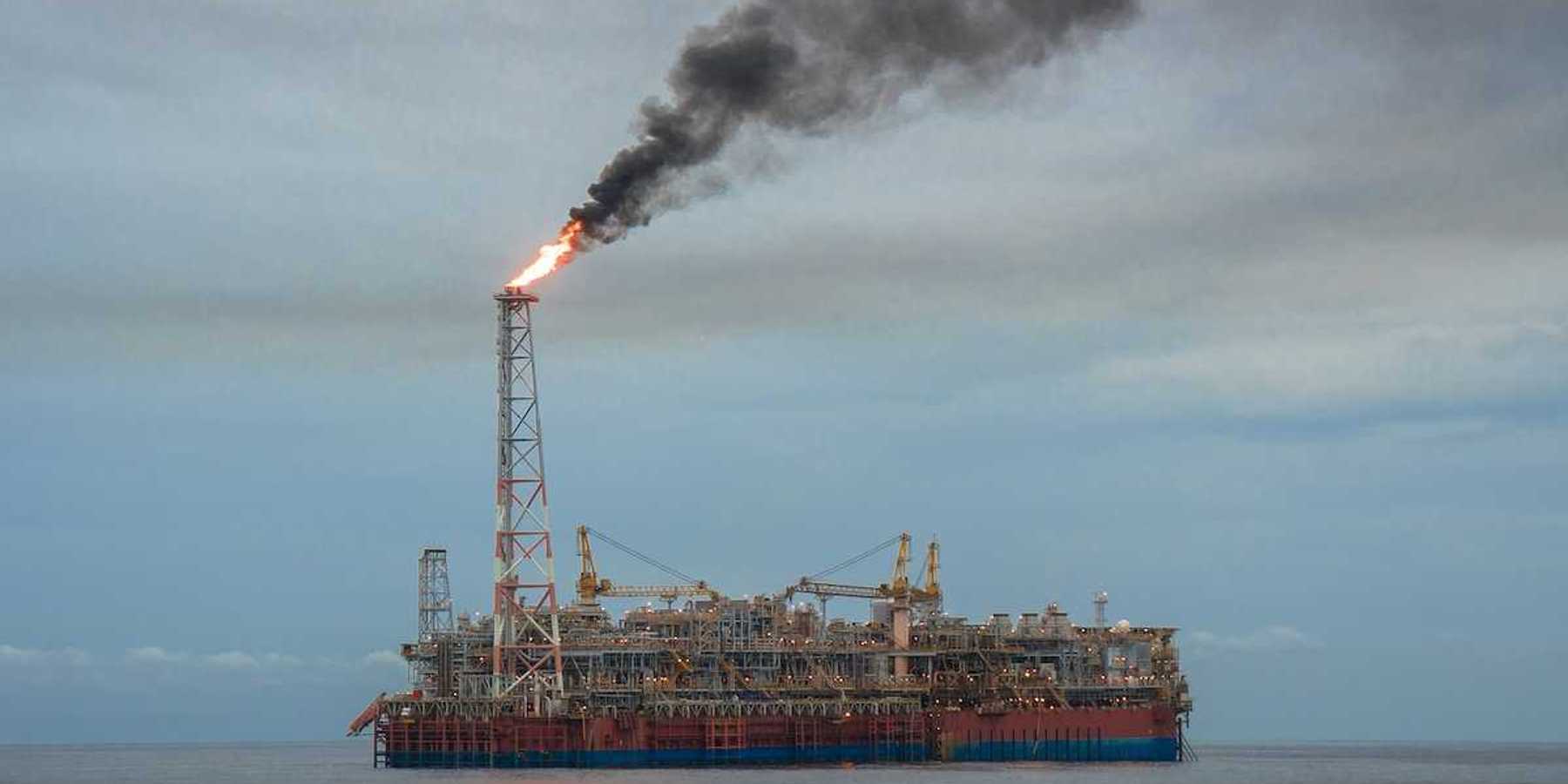
FPSO tanker vessel and Oil Rig platform. Offshore oil and gas industry. Flare is burning with smoke
Credit: Heatray/BigStock Photo ID: 240240058

Why the world is still running on fossil fuels after 30 years of climate talks

Missed opportunities, industry influence, and political maneuvering are behind the lack of progress in slowing global warming.

3D rendering depicting interconnection and electrification based on clean energy

Electrification explained: Clean energy to curb warming

From Electric Vehicles and electric buses on the road, heat pumps warming homes, and solar panels powering appliances, the shift to electrifying technology is already in full swing. But what exactly does "electrification" mean?

From our Newsroom
Multiple Houston-area oil and gas facilities that have violated pollution laws are seeking permit renewals

Multiple Houston-area oil and gas facilities that have violated pollution laws are seeking permit renewals

One facility has emitted cancer-causing chemicals into waterways at levels up to 520% higher than legal limits.

Regulators are underestimating health impacts from air pollution: Study

Regulators are underestimating health impacts from air pollution: Study

"The reality is, we are not exposed to one chemical at a time.”

Pennsylvania governor Josh Shapiro speaks with the state flag and American flag behind him.

Two years into his term, has Gov. Shapiro kept his promises to regulate Pennsylvania’s fracking industry?

A new report assesses the administration’s progress and makes new recommendations

silhouette of people holding hands by a lake at sunset

An open letter from EPA staff to the American public

“We cannot stand by and allow this to happen. We need to hold this administration accountable.”

wildfire retardants being sprayed by plane

New evidence links heavy metal pollution with wildfire retardants

“The chemical black box” that blankets wildfire-impacted areas is increasingly under scrutiny.

Stay informed: sign up for The Daily Climate newsletter
Top news on climate impacts, solutions, politics, drivers. Delivered to your inbox week days.