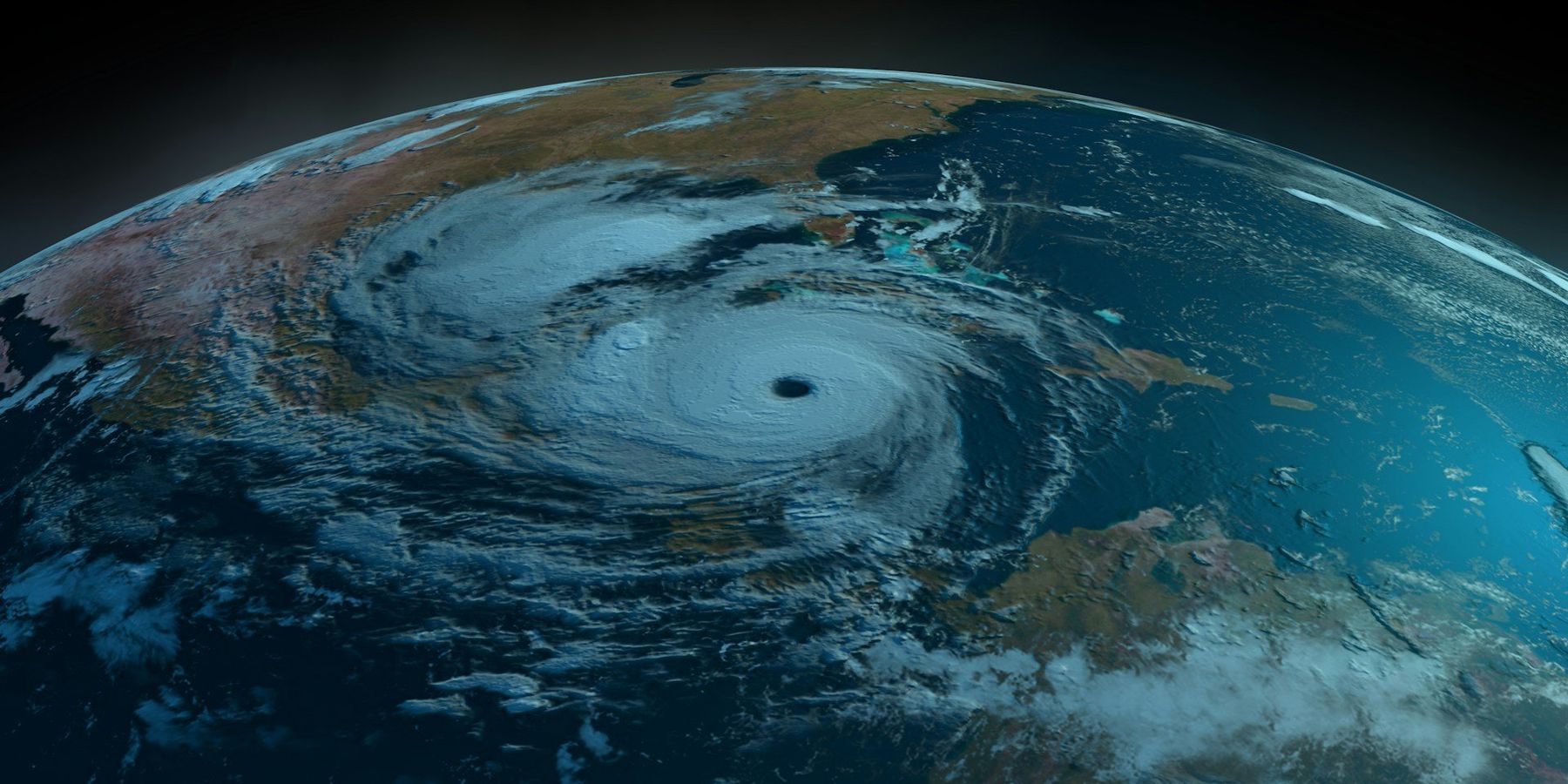
Satellite view of hurricane above Earth.

Europe builds its own weather data lifeline as U.S. pulls back

As Trump’s administration guts American science programs, Europe scrambles to build up its own climate data networks to avoid being left in the dark.

Kate Abnett, Valerie Volcovici and Sarah Marsh report for Reuters.


In short:

  • European nations are accelerating efforts to replace climate and weather data long provided by U.S. agencies now facing massive cuts.
  • Officials warn that without access to real-time data, countries can’t adequately plan for storms, sea-level rise, or infrastructure investments.
  • Nations like Denmark, Germany, and Norway are backing up U.S. data, funding alternative systems, and even recruiting American scientists losing their jobs.

Key quote:

“This isn’t just a technical issue, reliable data underpins extreme weather warnings, climate projections, protecting communities, and ultimately saves lives.”

— Adrian Lema, director of the Danish National Center for Climate Research

Why this matters:

Real-time data from the U.S. has long been the backbone of global climate response, but with that backbone cracking, countries like Germany, Denmark, and Norway are duplicating U.S. data systems, funding their own satellites, and even offering a haven for displaced American scientists.The irony is rich: As climate change accelerates, the country that bears heavy responsibility for the world’s atmospheric carbon is pulling back from the science that helps manage the fallout. Europe’s scramble to fill the gap shows just how dependent global health and safety systems are on robust, publicly-funded science.

Read more:
Solar panels on a red metal roof with a green landscape in the background

Solar is now bigger than coal in China — and yet still way behind

China has more solar capacity online than coal capacity. It’s a remarkable milestone, but the fossil fuel still generates far more electricity than solar does.

A farm tractor driving across a dry field

Task force warns of worsening drought on track to match last year

Data from around Maine suggests the state never fully recovered from last fall’s drought, leaving the state in a tough position as conditions worsen once again, according to the Maine Drought Task Force.

An overhead view of a park in an urban setting

Comparing green space for urban cooling, study

New research finds urban woodlands can provide the strongest cooling during extreme heat, outperforming grasslands, lakes, parks and green walls.
Penguins standing on a rock with the sunset and hills in the background

Satellite images of penguin droppings reveal impact of antarctic warming

An analysis of 30 years of satellite images of penguin guano shows how the birds’ diets are shifting in response to warming.

A farm combine harvesting grains into a huge container

Farmers are growing a new grain to combat climate change

A handful of U.S. farmers are looking at a new solution to extreme weather. Perennial grains may better withstand extreme drought like the one earlier this year that devastated some wheat farmers in Kansas.
A cruise ship in the middle of the ocean with the sun setting to the left

Air pollution from ships may be more harmful than road traffic emissions, port study finds

Scientists say ultrafine particles in cruise ship emissions associated with reduced ability to resist common viruses.

The skyline of Kuala Lumpur, Malaysia in the morning with trees in the foreground

Malaysia declares emergency in Sarawak town as haze reaches critical level

Malaysia has declared an emergency in a town in Sarawak state due to severe air pollution linked to fires in Indonesia.

From our Newsroom
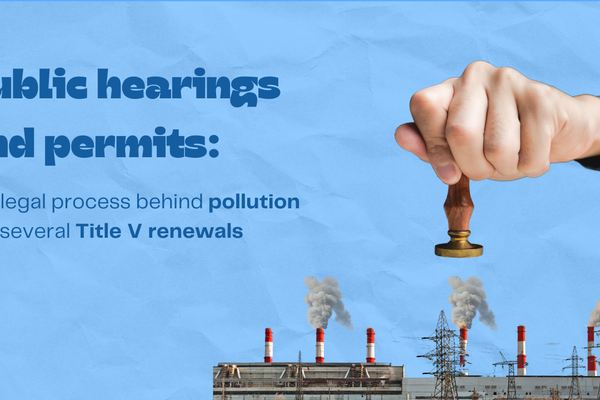
Multiple Houston-area oil and gas facilities that have violated pollution laws are seeking permit renewals

Multiple Houston-area oil and gas facilities that have violated pollution laws are seeking permit renewals

One facility has emitted cancer-causing chemicals into waterways at levels up to 520% higher than legal limits.

Regulators are underestimating health impacts from air pollution: Study

Regulators are underestimating health impacts from air pollution: Study

"The reality is, we are not exposed to one chemical at a time.”

Pennsylvania governor Josh Shapiro speaks with the state flag and American flag behind him.

Two years into his term, has Gov. Shapiro kept his promises to regulate Pennsylvania’s fracking industry?

A new report assesses the administration’s progress and makes new recommendations

silhouette of people holding hands by a lake at sunset

An open letter from EPA staff to the American public

“We cannot stand by and allow this to happen. We need to hold this administration accountable.”

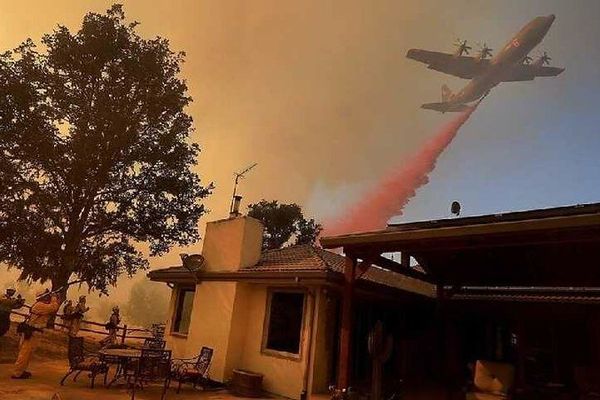
wildfire retardants being sprayed by plane

New evidence links heavy metal pollution with wildfire retardants

“The chemical black box” that blankets wildfire-impacted areas is increasingly under scrutiny.

Stay informed: sign up for The Daily Climate newsletter
Top news on climate impacts, solutions, politics, drivers. Delivered to your inbox week days.