Evangelical churches in Indiana turn to solar and sustainability as an expression of faith

A growing number of evangelical churches and universities in Indiana are embracing renewable energy and environmental stewardship as a religious duty, reframing climate action through a spiritual lens.

Catrin Einhorn reports for The New York Times


In short:

  • Churches across Indiana, including Christ’s Community Church and Grace Church, are installing solar panels, planting native gardens, and hosting events like Indy Creation Fest to promote environmental stewardship.
  • Evangelical leaders say their work aligns with a biblical call to care for creation, distancing it from politicized language around climate change to appeal to more conservative congregations.
  • Christian universities such as Indiana Wesleyan and Taylor are integrating environmental science into academics and campus life, fostering student-led sustainability efforts rooted in faith.

Key quote:

“It’s a quiet movement.”

— Rev. Jeremy Summers, director of church and community engagement for the Evangelical Environmental Network

Why this matters:

The intersection of faith and environmental action challenges longstanding cultural divides in the climate conversation. Evangelical communities — historically less engaged on climate issues — hold substantial political and social influence, particularly across the Midwest and South. Framing sustainability as a religious obligation sidesteps partisan divides and invites wider participation. These faith-led movements can help shift attitudes in rural and suburban America, where skepticism of climate science and federal intervention runs high. And as the environmental impacts of fossil fuel dependence grow — heatwaves, water scarcity, air pollution— the health and well-being of families in these communities are increasingly at stake.

Read more:

An illustration of a laptop with an AI prompt on the screen

Can we trust AI to guide climate policy? New report warns against glaring ‘design flaw’

AI models answer about 90 percent of climate questions accurately in English, but quickly give in to pushback, according to a report showcased at COP31.

A view of oil drilling pump jacks in an open field

Opinion: California is paying for oil industry’s risky carbon capture scheme

To avoid a climate catastrophe, we’re supposed to use unproven technology at a vast scale to suck carbon dioxide out of the air while slashing emissions — in other words, throw spaghetti against a wall to see what sticks.

A Black woman holding a microphone

'Climate action is alive': Triumphant Democrats attend COP31 summit shunned by Trump

A delegation of 18 Democratic lawmakers arrived at the COP31 climate summit in Turkey last weekend to reaffirm the US commitment to tackling global warming following their sweeping midterm election victory.

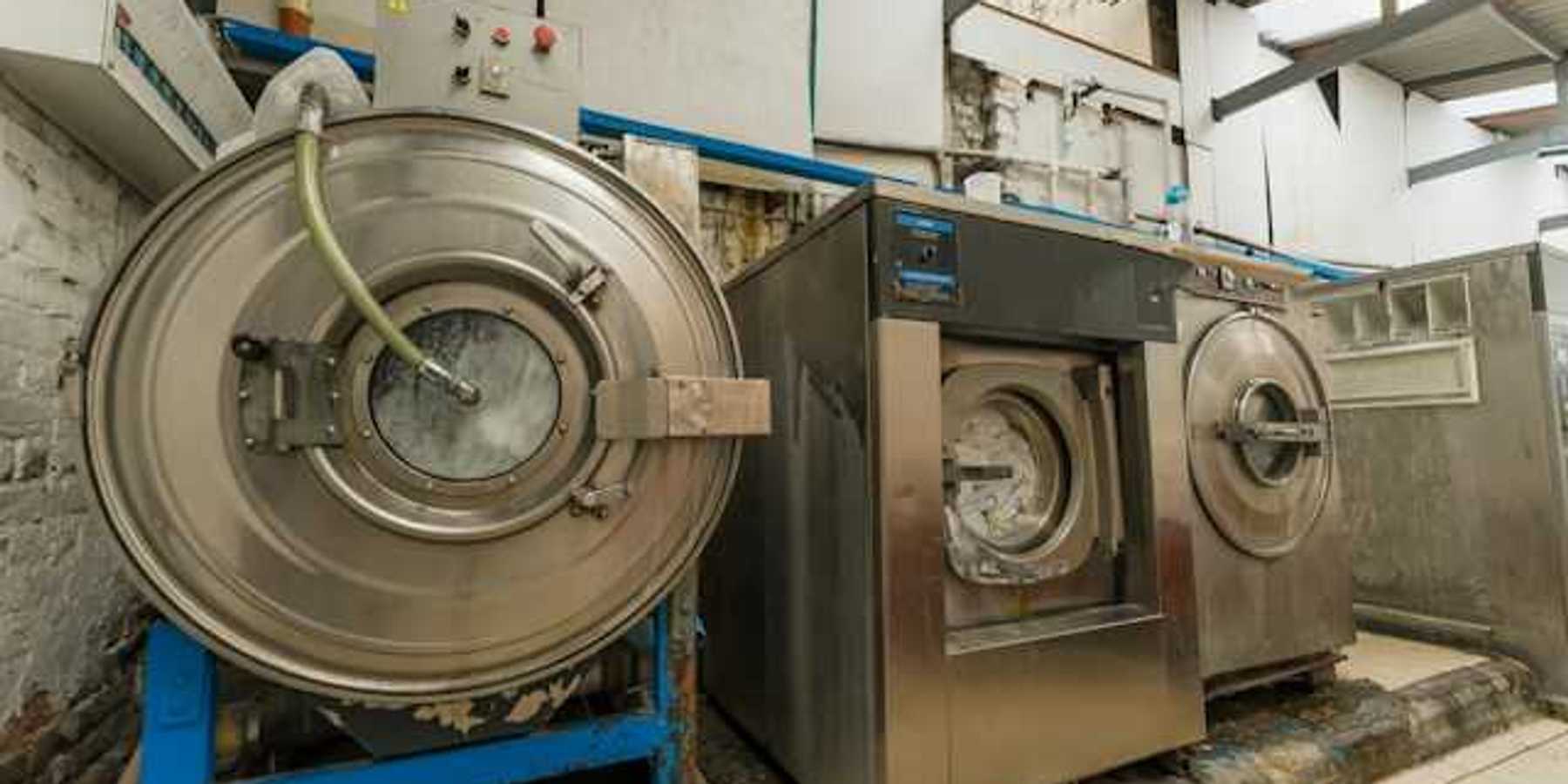
industrial size washing machines in a concrete room

Carbon dioxide is a climate problem. It might also be a laundry solution

A technology born in aerospace uses liquid CO2 to wash clothes without water or a dryer. The challenge is making it work in a home appliance.
A woman and child look out the window of a truck or train

Rising preterm births in Bangladesh linked to extreme heat, research suggests

Amid extended summers and frequent heat spells, heat-stressed pregnant mothers in Bangladesh give birth to babies vulnerable to health risks.

factory

UCSF Industry Documents Library workshop

This virtual workshop will take place on Nov. 17-18 and cover how to use UCSF's Industry Documents Library to uncover harmful industry practices. The Library include documents from the tobacco, opioid, drug, chemical, food, fossil fuel, and firearm industries and is open access. Register/info.

Vector illustration with metaphor - lasso catching of harmful smoke illustrative of carbon capture technology
Credit: Dmitrynew83/BigStock Photo ID: 445835528

Controversial efforts to suck carbon from atmosphere championed at UN climate talks

Proponents and lobbyists make renewed push for carbon dioxide removal (CDR) to be included in final text of COP31.

From our Newsroom
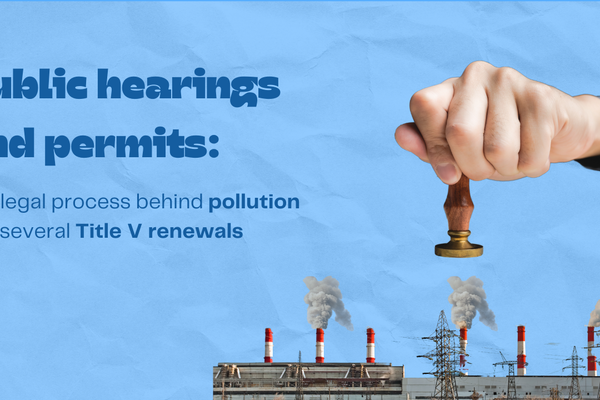
Multiple Houston-area oil and gas facilities that have violated pollution laws are seeking permit renewals

Multiple Houston-area oil and gas facilities that have violated pollution laws are seeking permit renewals

One facility has emitted cancer-causing chemicals into waterways at levels up to 520% higher than legal limits.

Regulators are underestimating health impacts from air pollution: Study

Regulators are underestimating health impacts from air pollution: Study

"The reality is, we are not exposed to one chemical at a time.”

Pennsylvania governor Josh Shapiro speaks with the state flag and American flag behind him.

Two years into his term, has Gov. Shapiro kept his promises to regulate Pennsylvania’s fracking industry?

A new report assesses the administration’s progress and makes new recommendations

silhouette of people holding hands by a lake at sunset

An open letter from EPA staff to the American public

“We cannot stand by and allow this to happen. We need to hold this administration accountable.”

wildfire retardants being sprayed by plane

New evidence links heavy metal pollution with wildfire retardants

“The chemical black box” that blankets wildfire-impacted areas is increasingly under scrutiny.

Stay informed: sign up for The Daily Climate newsletter
Top news on climate impacts, solutions, politics, drivers. Delivered to your inbox week days.