Extreme heat events are growing more frequent, widespread and underestimated

A record-breaking heat wave sweeping across the U.S. and Europe is being driven by fossil fuel pollution and made more dangerous by nighttime temperatures that offer little relief.

Andrew Freedman reports for CNN.


In short:

  • Scientists say every heat wave today is hotter than it would have been without climate change, and computer models are underestimating the trend's severity.
  • This U.S. heat wave, affecting about 150 million people, is the first of the season and is already threatening all-time temperature records, including record warm nights.
  • Extreme heat is now more common on multiple continents at the same time, with humidity, longer duration, and earlier seasonal onset compounding the health and infrastructure toll.

Key quote:

“Every heatwave that is occurring today is hotter than it would have been without human-induced climate change.”

— Fredi Otto, climate scientist and lead of the World Weather Attribution project

Why this matters:

Heat waves are no longer isolated or predictable — they’re intensifying, spreading, and striking earlier in the season, catching people and infrastructure unprepared. As global temperatures rise, these events are becoming more humid and longer-lasting, which increases their threat to human health. Hotter nights deny the body time to recover, particularly for the elderly, infants, and those with chronic conditions. Urban areas bear the brunt due to heat-trapping buildings and pavement.

The implications stretch beyond health: Heat stresses power grids, warps roads and railways, and damages crops, threatening food security. While storms and floods draw dramatic headlines, heat quietly kills more Americans each year than any other weather hazard. And climate models may be underplaying what’s still to come.

Related: How youth can battle extreme heat in their communities

A row of wind turbines alongside a field

The real economic impact of clean energy

US energy chief Chris Wright claims that renewable energy is dragging down Europe's economy. Is that true?
Power plant with smoke and dirty orange air.
Credit: Mikhail Dudarev/BigStock Photo ID: 14021453

Study: 2025 emissions rise due to Trump-era policies

Emissions of sulfur dioxide increased by 18% in 2025, according to an analysis of U.S. Environmental Protection Agency data by the Natural Resources Defense Council, an environmental advocacy group.

The U.S. capitol building

Trump's climate silence at the longest-ever State of the Union

The president’s far-reaching speech ignored climate change but not its impacts.
Illustration depicting pumpjacks vs solar panels & wind turbines
Credit: MIRO3D/BigStock Photo ID: 147195269

The culture war is coming for your electricity

Utah Republicans are calling for an energy "divorce" from blue states. A major utility just granted part of their wish.
Portable balcony solar panel

Balcony solar is taking state legislatures by storm

In more than half of U.S. states, Republican and Democratic lawmakers have introduced legislation that would boost adoption of DIY solar systems.
A closeup of pieces of wheat bread

Breadcrumbs (literally) lay path away from fossil fuels

Researchers have developed a carbon-negative method for hydrogenation that uses bacteria fed on waste bread to generate hydrogen for chemical reactions.

Refinery and petrochemical industrial plant
Credit: Tee Theerapol/BigStock Photo ID: 60783539

An oil refinery defined life in this quaint California city. What happens when it’s gone?

For decades, the Valero refinery shaped Benicia’s economy, politics and health. Now the city has become a reluctant test case of whether an oil town can reinvent itself
From our Newsroom
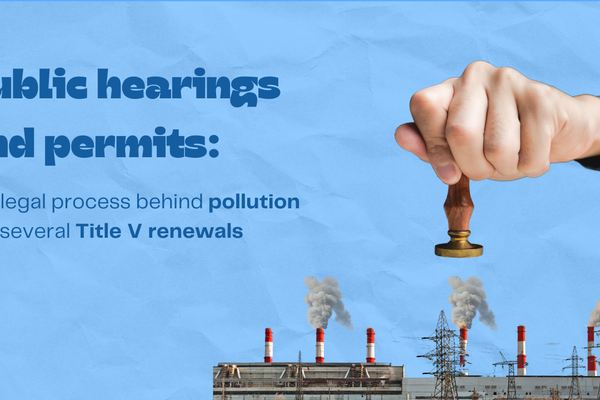
Multiple Houston-area oil and gas facilities that have violated pollution laws are seeking permit renewals

Multiple Houston-area oil and gas facilities that have violated pollution laws are seeking permit renewals

One facility has emitted cancer-causing chemicals into waterways at levels up to 520% higher than legal limits.

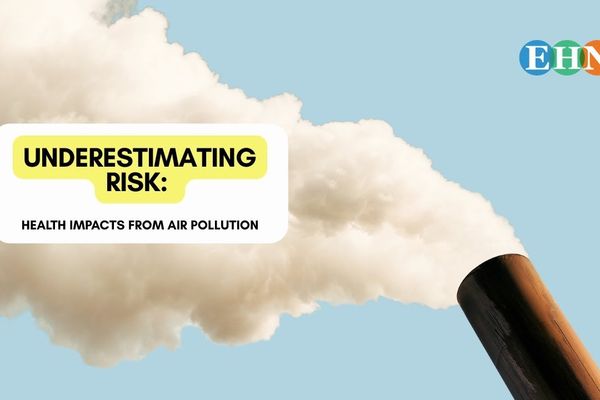
Regulators are underestimating health impacts from air pollution: Study

Regulators are underestimating health impacts from air pollution: Study

"The reality is, we are not exposed to one chemical at a time.”

Pennsylvania governor Josh Shapiro speaks with the state flag and American flag behind him.

Two years into his term, has Gov. Shapiro kept his promises to regulate Pennsylvania’s fracking industry?

A new report assesses the administration’s progress and makes new recommendations

silhouette of people holding hands by a lake at sunset

An open letter from EPA staff to the American public

“We cannot stand by and allow this to happen. We need to hold this administration accountable.”

wildfire retardants being sprayed by plane

New evidence links heavy metal pollution with wildfire retardants

“The chemical black box” that blankets wildfire-impacted areas is increasingly under scrutiny.

Stay informed: sign up for The Daily Climate newsletter
Top news on climate impacts, solutions, politics, drivers. Delivered to your inbox week days.