Finding resilience in history to combat climate change

A look into how Native North Americans adapted their societies during the Little Ice Age offers insights for modern climate change resilience.

Kathleen DuVal reports for The Atlantic.


In short:

  • Native North Americans crafted new societal structures in response to dramatic climatic shifts during the Little Ice Age, diverging significantly from Western European strategies.
  • These adaptations included decentralized governance, economic diversification, and a focus on sustainability and reciprocity.
  • Historical responses to climate change by Indigenous peoples underscore the importance of flexibility, communal responsibility, and sustainable living.

Key quote:

"Reciprocity is not merely generosity; giving away a surplus is an investment, insurance that others will help in your own time of need."

— Robert A. Williams Jr., Lumbee legal scholar.

Why this matters:

Embracing sustainability, decentralized decision-making, and community resilience could guide contemporary strategies for addressing climate change, enhancing health outcomes, and fostering a more equitable society. We must adapt to climate change. Can we do it in ways that solve other problems too?

a woman sitting in a field holding a bunch of flowers.

‘It fully changed my life!’ How young rewilders transformed a farm – and began a movement

At Maple Farm, nature is returning in droves: nightingales, grass snakes, slowworms, bats and insects. All due to the vision of a group determined to accelerate its recovery.

Person holding a cell phone and notepad on their lap while writing.

How China silences environmental reporters beyond its borders

Journalists who report on the harms caused by China’s overseas infrastructure buildout in Africa face intimidation, surveillance and police pressure.
Video camera on a tripod facing a green hedge.

This former oil worker is now exposing dirty methane emissions

After fracking fouled her air and water, Sharon Wilson devoted her life to documenting the emissions fueling the climate crisis.
Hands holding brown soil with sunlit trees in background.

The secret to tackling the climate crisis could be right under our feet. Here’s why

Despite being one of the largest natural carbon sinks, most nations exclude soil from their climate plans.
an aerial view of a data center flanked by trees, roads and green fields.

How batteries, not natural gas, can power the data center boom

Tech companies are turning to natural gas to help power the growing number of A.I. data centers in the U.S. Jigar Shah, a former Energy Department official, explains how installing batteries instead can help balance the grid, lower electricity bills, and support renewable energy.
Aerial photo of coal-fired power plant
Credit: irphoto.gr/BigStock Photo ID: 4550715

Donald Trump exempts coal in steelmaking from Clean Air Act

President Trump is exempting coal used in steelmaking from Biden-era Clean Air Act regulations for two years.

Oil pumps are operating in an industrial landscape.

Republican split widens as Texas regulator bashes carbon capture

A growing number of GOP elected officials question the use of carbon capture and storage for oil and gas projects.
From our Newsroom
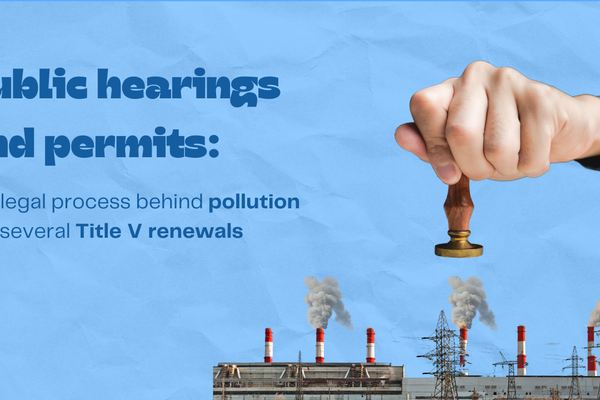
Multiple Houston-area oil and gas facilities that have violated pollution laws are seeking permit renewals

Multiple Houston-area oil and gas facilities that have violated pollution laws are seeking permit renewals

One facility has emitted cancer-causing chemicals into waterways at levels up to 520% higher than legal limits.

Regulators are underestimating health impacts from air pollution: Study

Regulators are underestimating health impacts from air pollution: Study

"The reality is, we are not exposed to one chemical at a time.”

Pennsylvania governor Josh Shapiro speaks with the state flag and American flag behind him.

Two years into his term, has Gov. Shapiro kept his promises to regulate Pennsylvania’s fracking industry?

A new report assesses the administration’s progress and makes new recommendations

silhouette of people holding hands by a lake at sunset

An open letter from EPA staff to the American public

“We cannot stand by and allow this to happen. We need to hold this administration accountable.”

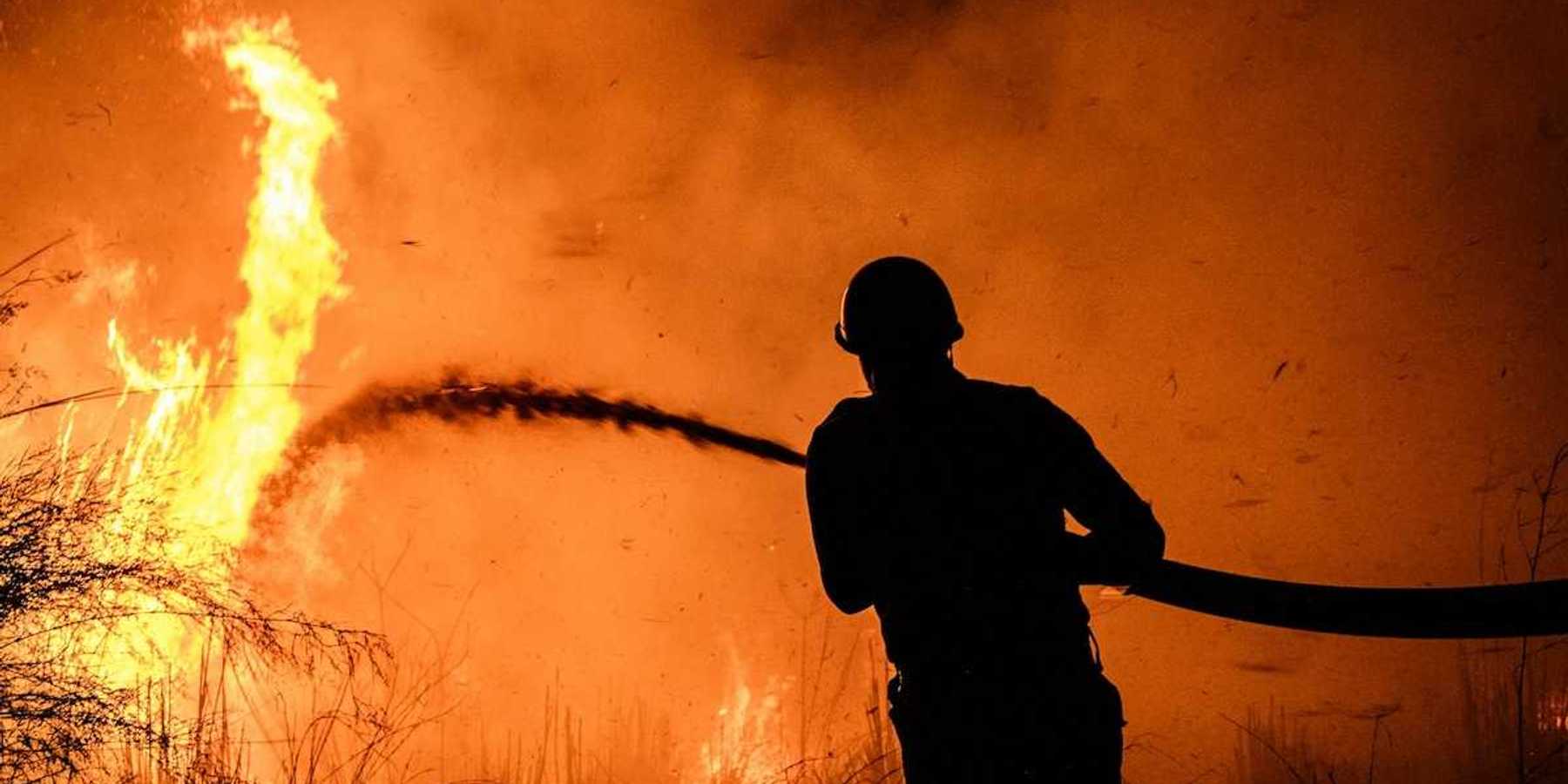
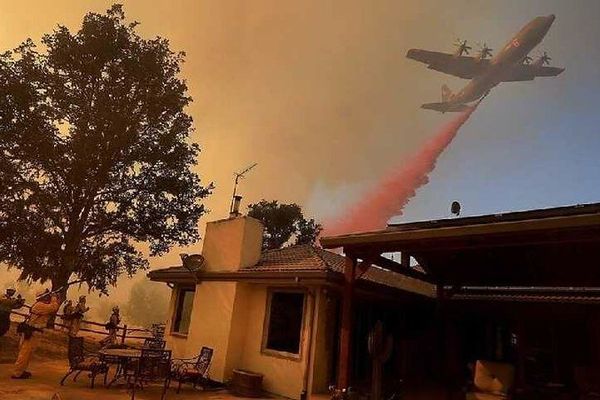
wildfire retardants being sprayed by plane

New evidence links heavy metal pollution with wildfire retardants

“The chemical black box” that blankets wildfire-impacted areas is increasingly under scrutiny.

Stay informed: sign up for The Daily Climate newsletter
Top news on climate impacts, solutions, politics, drivers. Delivered to your inbox week days.