Fire's ancient practice returns to help Nebraska’s wildlife thrive

Conservationists in Nebraska are reviving the ancient practice of controlled burns to restore vital habitats for sandhill cranes and other species.

Brandon Withrow reports for the BBC.


In short:

  • Controlled burns clear away overgrowth, benefiting birds like sandhill cranes by creating open areas for feeding and nesting.
  • These fires mimic natural and Indigenous land management practices, which are key to maintaining grasslands and promoting biodiversity.
  • Species such as bears, prairie chickens and even pollinators like bees benefit from the new growth that follows controlled burns.

Key quote:

"The best way we can make sure that the grasslands stay grasslands, is by making sure that we're using tools to keep it in that habitat — tools like prescribed fires."

— Amanda Hefner, education manager, Rowe Sanctuary

Why this matters:

In Nebraska, the practice of prescribed burning is breathing new life into local species, from the cranes that rely on open spaces to the bears that find renewed food sources in berry bushes. This ancient practice could be one of the best ways to combat the wildfire risks and biodiversity loss we face today. Read more: Hands on the land, heart in community: Returning cultural fires.

A view of a glacier flowing from a mountain range

Cryosphere faces permanent damage when world overshoots 1.5C, scientists warn

A United Nations-backed report finds that even temporary rises above the Paris climate agreement target could cause harm to glaciers and polar ice sheets.

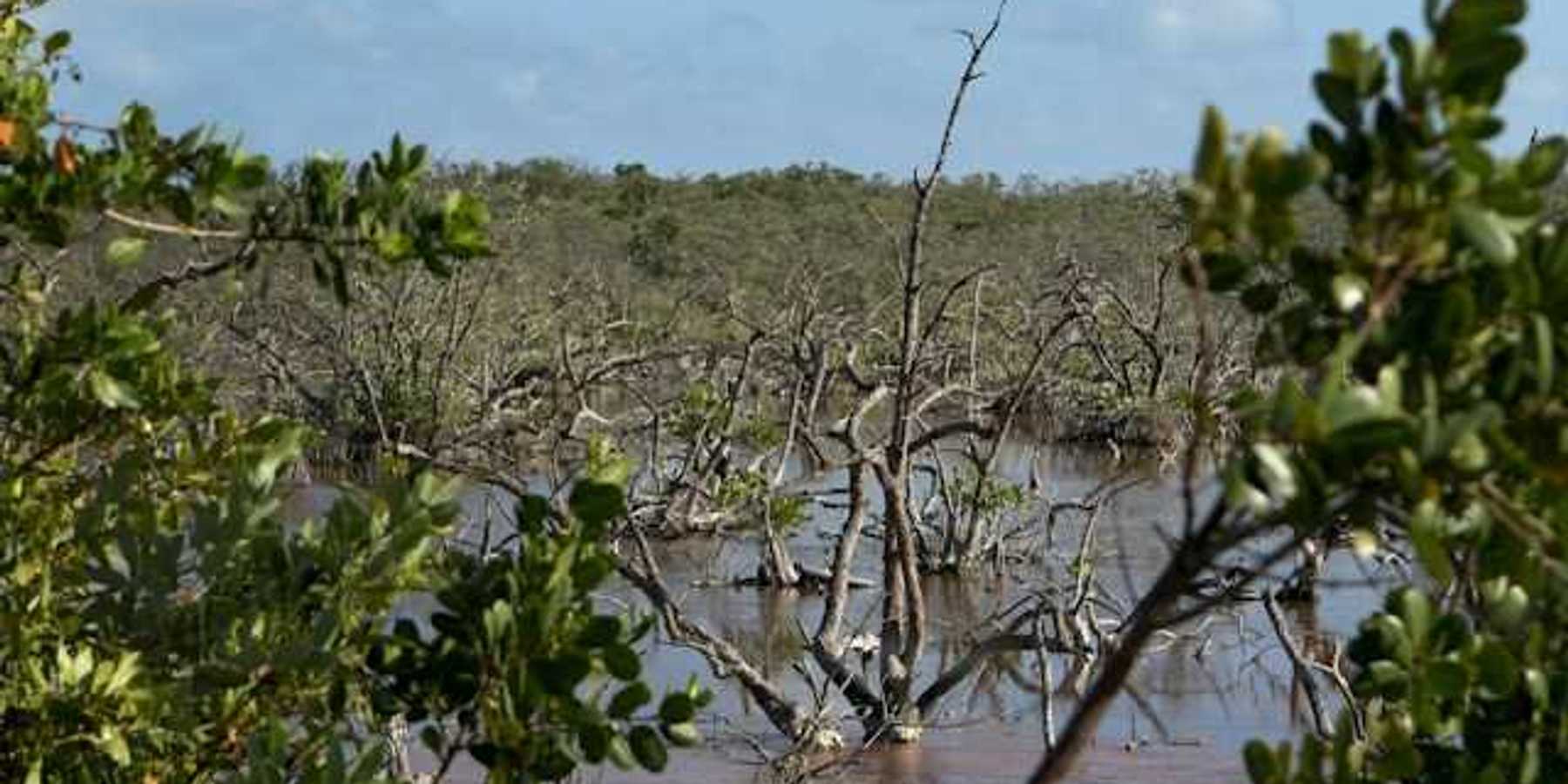
A view of a mangrove forest growing in water

The high-tech efforts to restore ‘climate hero’ mangroves

Gangly, densely rooted, and waxy-leaved, mangrove trees may look strange but don’t let their appearance fool you; these plants are nothing short of magical.

A view of the Manhattan Bridge in New York

New Long Island gas plants could test New York's climate law

National Grid wants three new gas units at Long Island power plants, raising questions about New York's 2040 deadline for a zero-emissions grid.
A view of the top of a natural gas tower flaring flames into the air

Colorado methane pollution rules won’t change — even if federal regulations are rolled back

The Trump administration has proposed a sweeping rollback of federal rules to cut methane emissions from oil and gas operations, but that regulatory broom won’t reach Colorado, which has its own controls on the pollutant.

A small family with an illustration of a home behind them

The American Dream wasn’t built for climate change

Owning a home has long been billed as a way to build wealth. For many, it's turning into a trap.
Power plant and surface coal mine aerial view
Credit: airphoto.gr/BigStock Photo ID: 4550715

Trump boosted half of US coal plants with taxpayer dollars and ‘free passes to pollute’, report says

Environmental Defense Fund analysis shows administration handed out $950m and Clean Air Act exemptions.

Drone aerial view of new Microsoft data centers
Credit: Mauvries/BigStock Photo ID: 465964923

Big Tech promised to lead on climate. Now it’s driving a fossil fuel boom

Companies are investing in mega gas plants to help power their data centers, putting them on track to be major polluters.
From our Newsroom
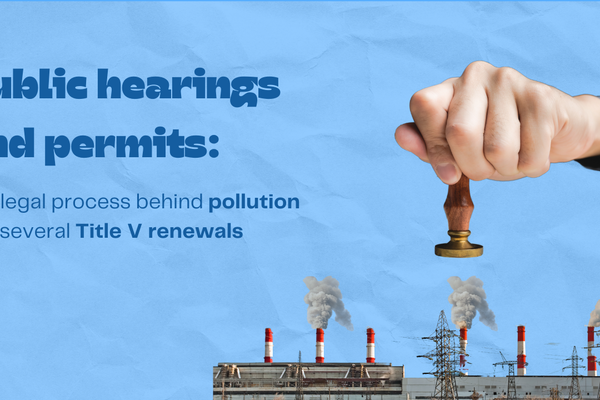
Multiple Houston-area oil and gas facilities that have violated pollution laws are seeking permit renewals

Multiple Houston-area oil and gas facilities that have violated pollution laws are seeking permit renewals

One facility has emitted cancer-causing chemicals into waterways at levels up to 520% higher than legal limits.

Regulators are underestimating health impacts from air pollution: Study

Regulators are underestimating health impacts from air pollution: Study

"The reality is, we are not exposed to one chemical at a time.”

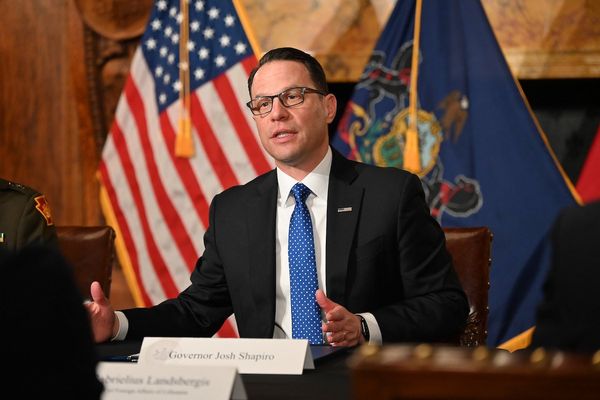
Pennsylvania governor Josh Shapiro speaks with the state flag and American flag behind him.

Two years into his term, has Gov. Shapiro kept his promises to regulate Pennsylvania’s fracking industry?

A new report assesses the administration’s progress and makes new recommendations

silhouette of people holding hands by a lake at sunset

An open letter from EPA staff to the American public

“We cannot stand by and allow this to happen. We need to hold this administration accountable.”

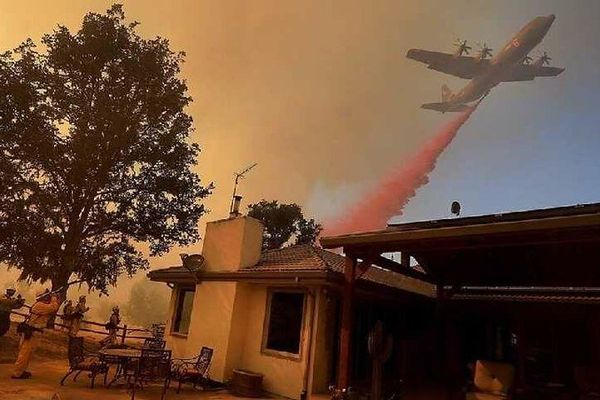
wildfire retardants being sprayed by plane

New evidence links heavy metal pollution with wildfire retardants

“The chemical black box” that blankets wildfire-impacted areas is increasingly under scrutiny.

Stay informed: sign up for The Daily Climate newsletter
Top news on climate impacts, solutions, politics, drivers. Delivered to your inbox week days.