Florida braces for potential double-digit billion-dollar insurance losses after Hurricane Milton

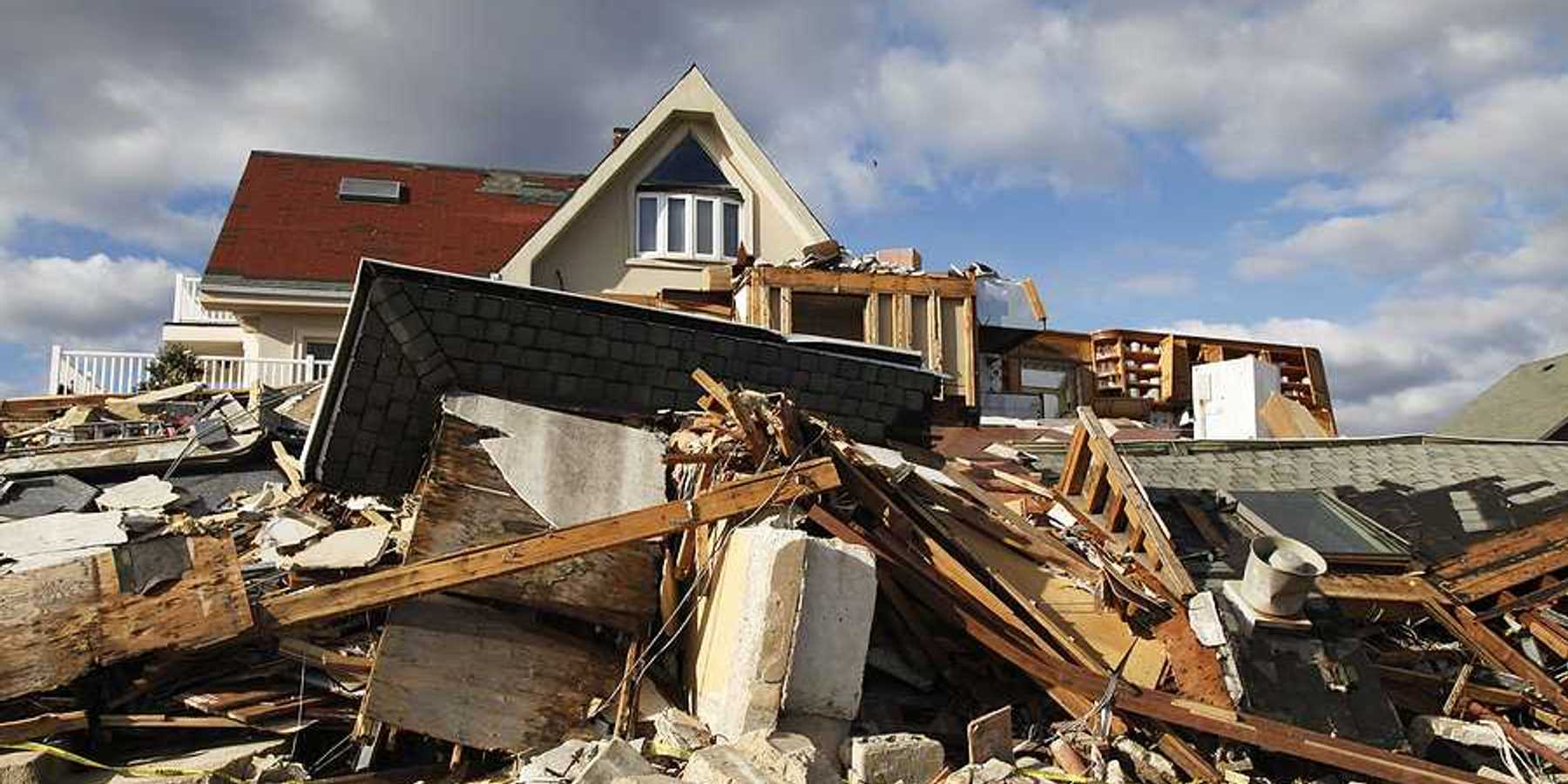
Despite avoiding worst-case scenarios, Hurricane Milton’s aftermath is expected to severely strain Florida’s already fragile insurance market, with damages potentially reaching billions of dollars.

Gary Fineout reports for POLITICO.


In short:

  • Hurricane Milton brought deadly tornadoes, flooding, and power outages to Florida, leaving at least 17 dead.
  • The cumulative impact of recent storms, including Hurricane Helene, threatens to destabilize Florida’s insurance market, which has only recently begun to recover.
  • Rising reinsurance costs may lead to increased premiums for Floridians as insurers pass on higher rates.

Key quote:

“ ... we don’t expect Milton will reach the level of Hurricane Ian in 2022, which we estimated as a $50 billion to $60 billion insured loss. Ian is the second-largest U.S. natural catastrophe loss on record behind Hurricane Katrina.”

— Mark Friedlander, Insurance Information Institute

Why this matters:

Florida’s property insurance market is already the most expensive in the U.S. More frequent severe storms could further raise premiums and push insurance out of reach for many homeowners, affecting the state’s economy and housing market.

Read more:
An aerial view of San Francisco

Trump may have inadvertently invited a wave of climate action from blue states

The administration’s decision to rescind the Obama-era endangerment finding undercuts its own legal arguments against state-level climate superfund laws.
A refinery with smokestacks silhouetted against a sunset sky

Washington takes another step to link its carbon market with California and Quebec

Washington’s cap-and-trade program could soon link with carbon markets in California and Quebec, a move that agency officials say would decrease and stabilize decarbonization costs.

A gavel sitting on a judge's desk

The Supreme Court case that could end local climate suits

Nearly a dozen states are suing the oil and gas industry over climate. The fossil fuel industry is pushing back.
A toddler reaching up to a pantry shelf where jars of non perishable food is stored

Prepping for a disaster? You’ll probably want to pack a little treat

It’s not just sardines and dried beans. Self-identified preppers are also stashing luxuries like coffee and chocolate.
House on stilts precariously positioned next to ocean in Rodanthe, North Carolina

Study says millions more are exposed to rising seas than thought

A new study in the journal Nature says most sea level rise research may have underestimated coastal water heights by an average of 1 foot or about 30 centimeters.
Massive fire explosion close up in military combat and war. Vehicle explosion from a tank in a city in the Middle East.

War and uncertainty cloud Trump’s AI pledge rollout

Even without war, experts in energy markets expressed doubt that the tech companies’ promises can check fast-rising electricity prices.
From our Newsroom
Multiple Houston-area oil and gas facilities that have violated pollution laws are seeking permit renewals

Multiple Houston-area oil and gas facilities that have violated pollution laws are seeking permit renewals

One facility has emitted cancer-causing chemicals into waterways at levels up to 520% higher than legal limits.

Regulators are underestimating health impacts from air pollution: Study

Regulators are underestimating health impacts from air pollution: Study

"The reality is, we are not exposed to one chemical at a time.”

Pennsylvania governor Josh Shapiro speaks with the state flag and American flag behind him.

Two years into his term, has Gov. Shapiro kept his promises to regulate Pennsylvania’s fracking industry?

A new report assesses the administration’s progress and makes new recommendations

silhouette of people holding hands by a lake at sunset

An open letter from EPA staff to the American public

“We cannot stand by and allow this to happen. We need to hold this administration accountable.”

wildfire retardants being sprayed by plane

New evidence links heavy metal pollution with wildfire retardants

“The chemical black box” that blankets wildfire-impacted areas is increasingly under scrutiny.

Stay informed: sign up for The Daily Climate newsletter
Top news on climate impacts, solutions, politics, drivers. Delivered to your inbox week days.